
Category: Saving & Banking
-

Minimum Payments: The Math Your Statement Already Shows
Every credit card statement includes a federally required box showing what minimum payments really cost — and the payment that clears you in 3 years. How to read it.
-

ATM Fees Add Up: How to Stop Paying Them Entirely
Every out-of-network withdrawal can trigger two separate ATM fees. Here’s how the charges work, where they’re disclosed, and six ways to pay zero.
-

Is Your Money Safer in a Credit Union? NCUA vs. FDIC
Credit unions carry NCUA insurance, banks carry FDIC. Both cover $250,000 per person, per institution, per ownership category. Here’s how to check yours.
-

How Debt Collectors Can Contact You Now: The CFPB Rules
Seven calls in seven days, opt-outs on every text, no public social media posts. The federal rules on how debt collectors can contact you, in plain English.
-

Checking Account Fees: The Waivers Banks Rarely Mention
Most checking account maintenance fees can be waived — through direct deposit, a minimum balance, or an account the bank doesn’t advertise. Here’s how.
-

The Direct Deposit Split: Saving Before You See It
One payroll form can route part of every paycheck straight to savings before you ever see it. How the direct deposit split works and how to set yours up.
-

Credit Utilization: Why 30 Percent Isn’t a Magic Line
The 30% credit utilization rule is a guideline, not a cliff. How the ratio really works, when your balance gets reported, and the moves that lower it fast.
-

Where Savings Rates Go After the Fed’s June Meeting
The Fed held rates at 3.5%-3.75% again on June 17. Here’s what that means for savings accounts and CDs, and the numbers to check before you move money.
-

Wire Transfer Fees vs. Zelle vs. ACH: What Each Costs
Wires, Zelle and ACH all move money — at very different costs, speeds and protections. Which to use when, and the fraud rules behind each.
-
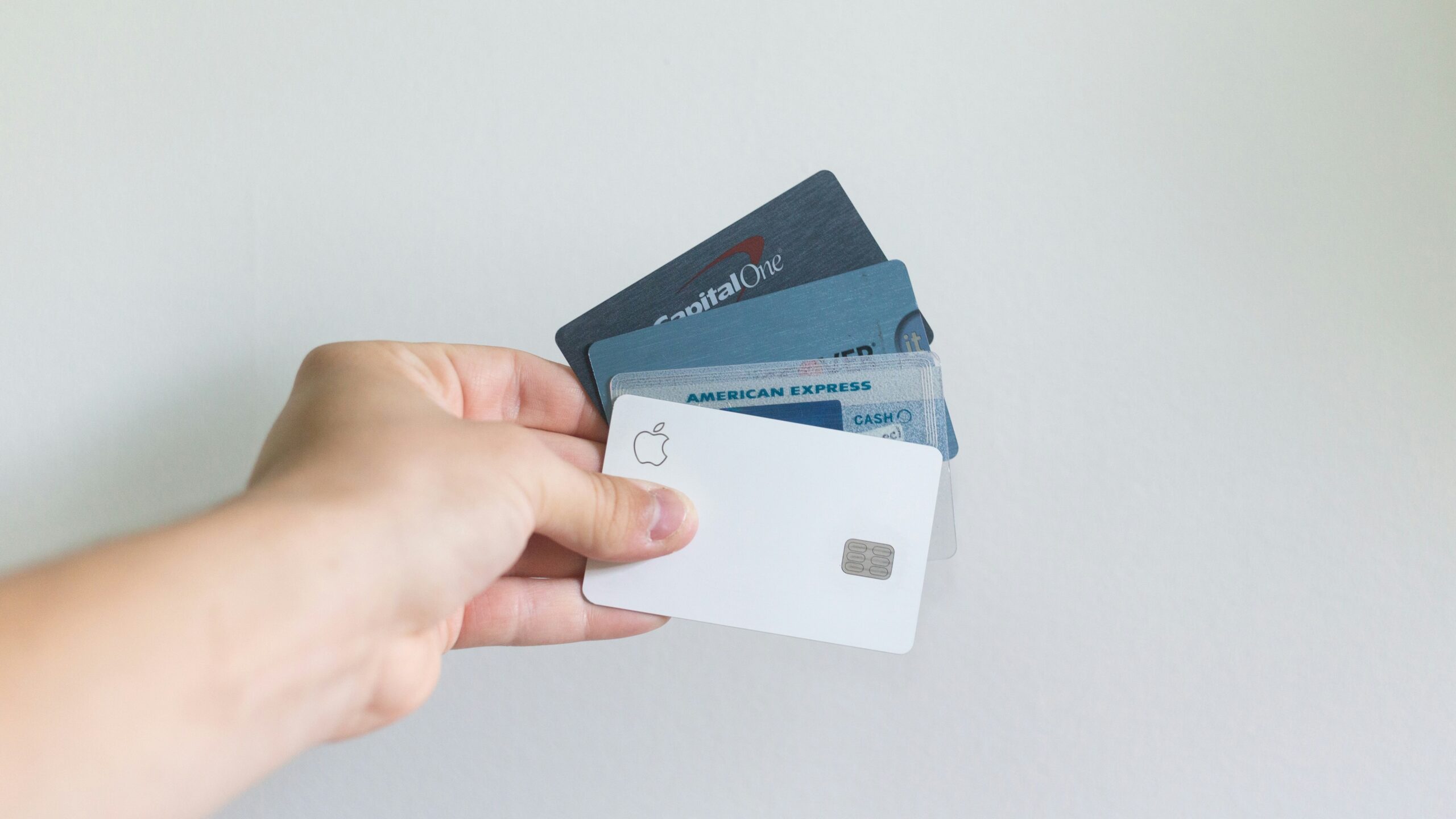
Secured Cards: Rebuilding Credit With a Small Deposit
A secured credit card turns a few hundred dollars into a working credit history. How the deposit works, what to check first, and how to graduate.