
Category: Fees & Overdraft
-

Bilt repaid $264,792.71 in overdraft and late fees to more than 2,000 customers
Bilt has repaid $264,792.71 in overdraft, late and insufficient-funds fees to more than 2,000 customers. The Consumer Financial Protection Bureau says that total stood at $264,792.71 as of September 10, 2026, and that it told Bilt on September 21 it considers the matter closed. The fees came from a bank-partner change at the company. When…
-
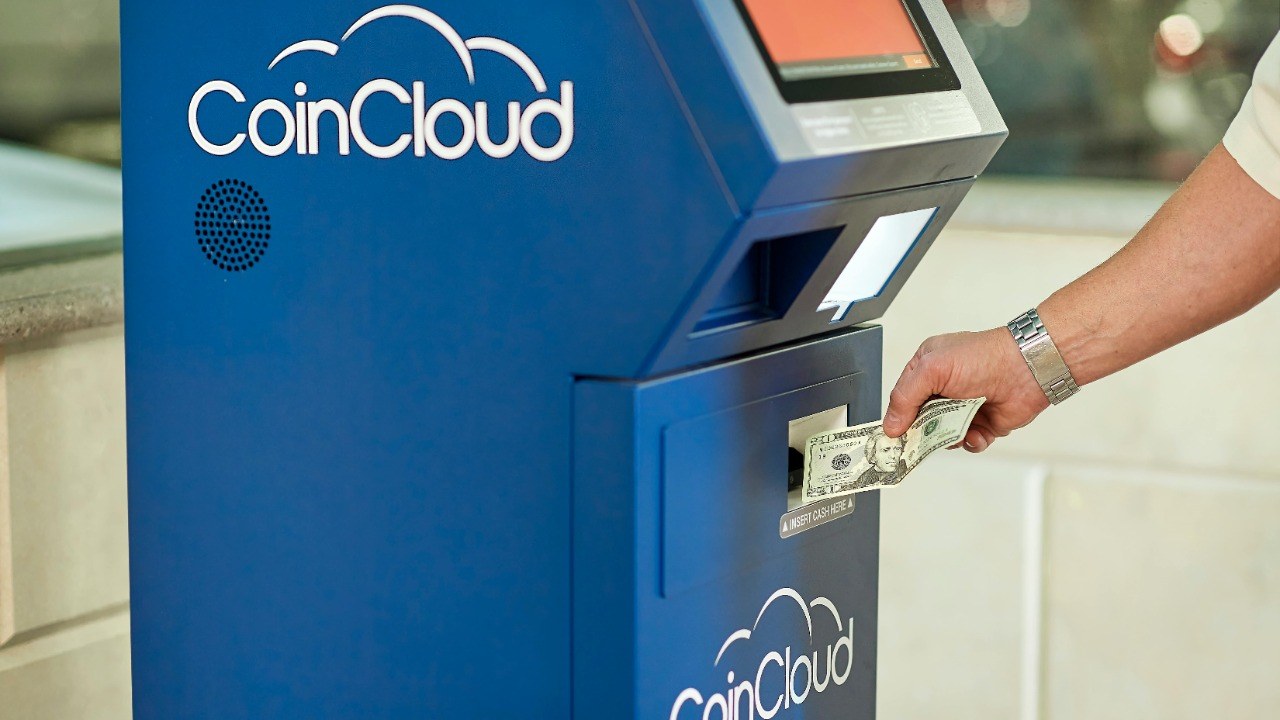
North Carolina crypto kiosks must cap new customers at $2,000 a day from January 1, and scam victims who report within 30 days can get refunds
No one in their first 30 days at a North Carolina crypto kiosk will be able to put in more than $2,000 in a single day once a new state law starts on January 1, 2027. People with a longer history at the machines get a $5,000 daily ceiling. The same law gives a defrauded…
-

Trump’s consumer bureau has posted no new enforcement case since August 2025
The Consumer Financial Protection Bureau, now run under the Trump administration, has not added a new enforcement case to its public list since August 2025. The newest entry on the bureau’s enforcement actions page is Synapse Financial Technologies, filed August 21, 2025, and nothing on the list is dated later. Before Synapse, the previous entry…
-

North Carolina homeowners who paid Dovenmuehle a fee to pay their mortgage by phone stand to get about $425 per fee automatically if a judge approves on November 5
Homeowners in North Carolina who paid Dovenmuehle Mortgage a fee to make a mortgage payment by phone are in line for about $425 per fee, with no claim form to file. Chief District Judge Catherine C. Eagles is scheduled to hold the final approval hearing on November 5, 2026, at 2 p.m. in Greensboro, and…
-
The OCC fined Bank of America $750 million, and customers get none of it
The Office of the Comptroller of the Currency has imposed a $750 million civil money penalty on Bank of America, N.A., for failures in its anti-money-laundering program. The agency calls it the largest civil money penalty in its history. The money is payable to the U.S. Treasury, and the agency’s announcement describes no refund or…
-
The CFPB emailed former Digit savings customers October 15 about money from its penalty fund, and they must pick a payment method by November 14
The Consumer Financial Protection Bureau sent payment notification emails on October 15 to people it identified as harmed by Hello Digit, the company behind the Digit automated-savings app. Anyone who received one has until November 14, 2026 to submit a payment selection, according to the official Hello Digit payment website. The money comes through the…
-
Direct Express charges no monthly fee and no overdraft fee
The Direct Express card that carries federal benefit payments such as Social Security and SSI charges no monthly fee and no overdraft fee, the Treasury Department says. The Fiscal Service’s Direct Express page, last updated September 1, 2026, lists the line plainly: “No monthly fees or overdraft fees.” That is the headline, but the card…
-

The non-bank ATM fee settlement reaches back almost nineteen years, to October 2007, and covers withdrawals through August 14, 2026
A proposed $167.5 million settlement over surcharges at non-bank ATMs covers almost nineteen years of cash withdrawals. The class period runs from October 24, 2007, to August 14, 2026, which is almost nineteen years. Anyone who paid a fee at an independent machine in that span and was not fully paid back by their bank…
-
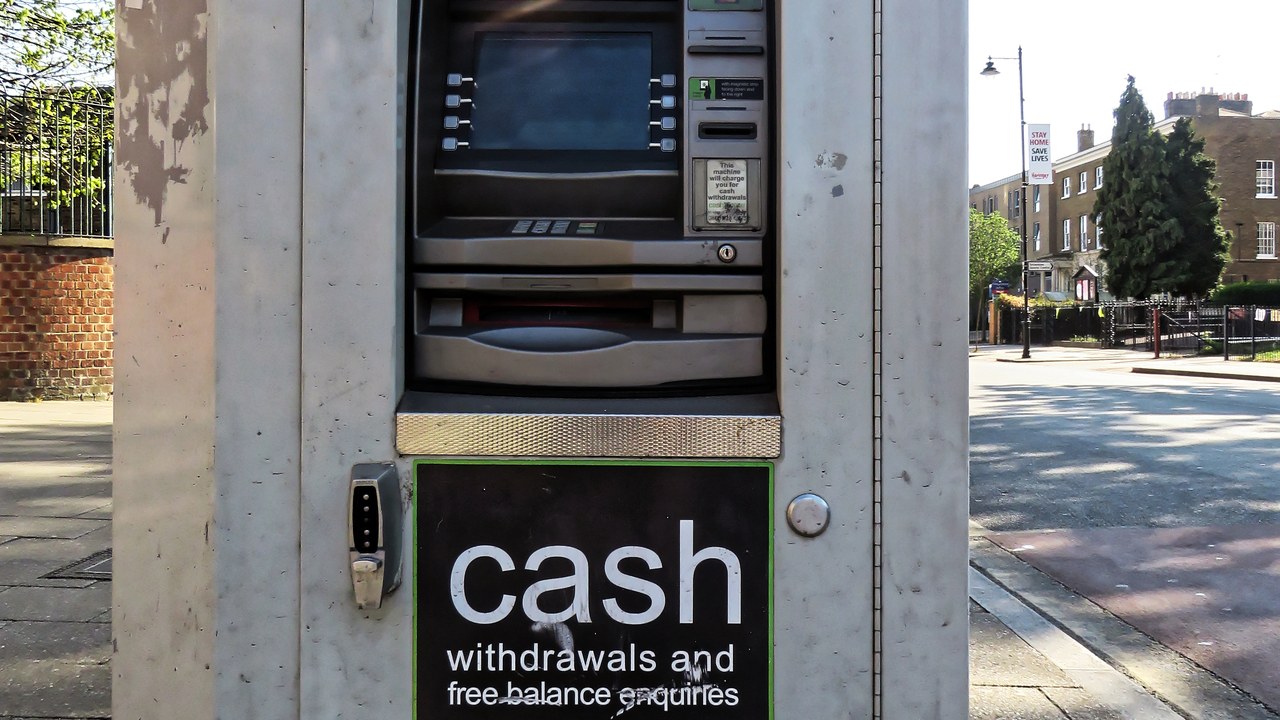
Anyone whose own bank refunded a non-bank ATM fee in full falls outside the Visa and Mastercard settlement class, and four states have classes of their own
A $167.5 million settlement with Visa and Mastercard over fees at non-bank ATMs covers people who were not fully reimbursed by their own bank. Anyone whose bank already refunded the ATM surcharge in full falls outside the class, according to the settlement notice. The nationwide class covers people in the United States who paid a…
-

Amazon’s automatic Prime refunds expire 60 days after they are issued, and the FTC’s three-part test leaves out anyone who used more than 20 Prime benefits in a year
Amazon’s automatic Prime refunds come with a clock. The Federal Trade Commission says each payment expires 60 days after the date it is issued, so a check left in a drawer or an electronic payment left unaccepted can lapse. The refunds come from the FTC’s settlement with Amazon over how people were signed up for…