
Category: Fees & Overdraft
-

The comptroller said on October 14 that the OCC has struck reputation risk from bank supervision
Comptroller of the Currency Jonathan V. Gould said on October 14, 2026 that the Office of the Comptroller of the Currency has eliminated reputation risk from its supervision of banks. He spoke as the agency released a report finding that the nine largest national banks it oversees had policies that limited or denied services to…
-

The CFPB lists 30 open redress cases and no payment dates
The Consumer Financial Protection Bureau is tracking 30 ongoing cases in which money is meant to reach people harmed by financial companies, and it has not posted a payment date for a single one. Another 49 cases are listed as closed. For anyone who dealt with one of the companies named, the list shows that…
-
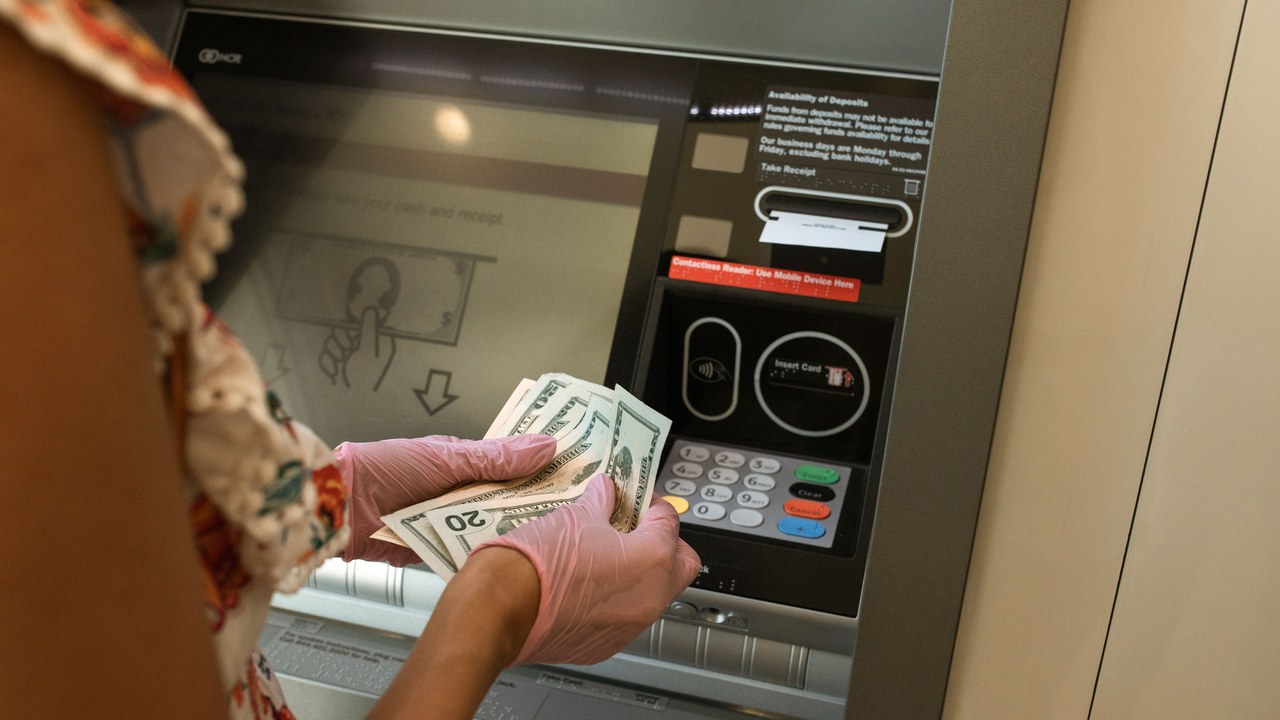
Anyone charged a surcharge at a non-bank ATM since October 2007 and not reimbursed by their bank is in a Visa and Mastercard class with a February 10, 2027 claim deadline
A $167.5 million settlement over fees charged at independent ATMs is now taking claims, and the deadline is February 10, 2027. Visa and Mastercard are the two companies paying into it. The case, Burke v. Visa, covers people who paid a surcharge to withdraw cash at a non-bank ATM at any point from October 24,…
-

A Visa and Mastercard settlement up for approval Nov. 16 would let stores add a surcharge for credit cards and turn away premium cards
A swipe-fee settlement now before a federal judge would let stores charge extra when a customer pays with a Visa or Mastercard credit card. It would also let them refuse some of those cards outright. Nothing has taken effect yet, because the court has given only preliminary approval. A fairness hearing is set for Nov.…
-
Direct Express charges 85 cents for each U.S. ATM withdrawal once the free ones are used
Direct Express, the prepaid card that carries Social Security, Supplemental Security Income and veterans payments for people without a bank account, charges 85 cents for each ATM withdrawal in the United States once the free withdrawals are used up. A free withdrawal is not a monthly allowance. It is earned one deposit at a time,…
-

Truist raises its out of network ATM fee to $3.50 on November 9 and caps its $36 overdraft fee at three a day on accounts that carry it
Two separate fee changes sit inside one Truist price list, and they land on different customers. The out-of-network ATM charge goes up by 50 cents on November 9, while the bank’s overdraft fee is held to three charges a day. Reading the document line by line shows that the ATM increase reaches most of the…
-
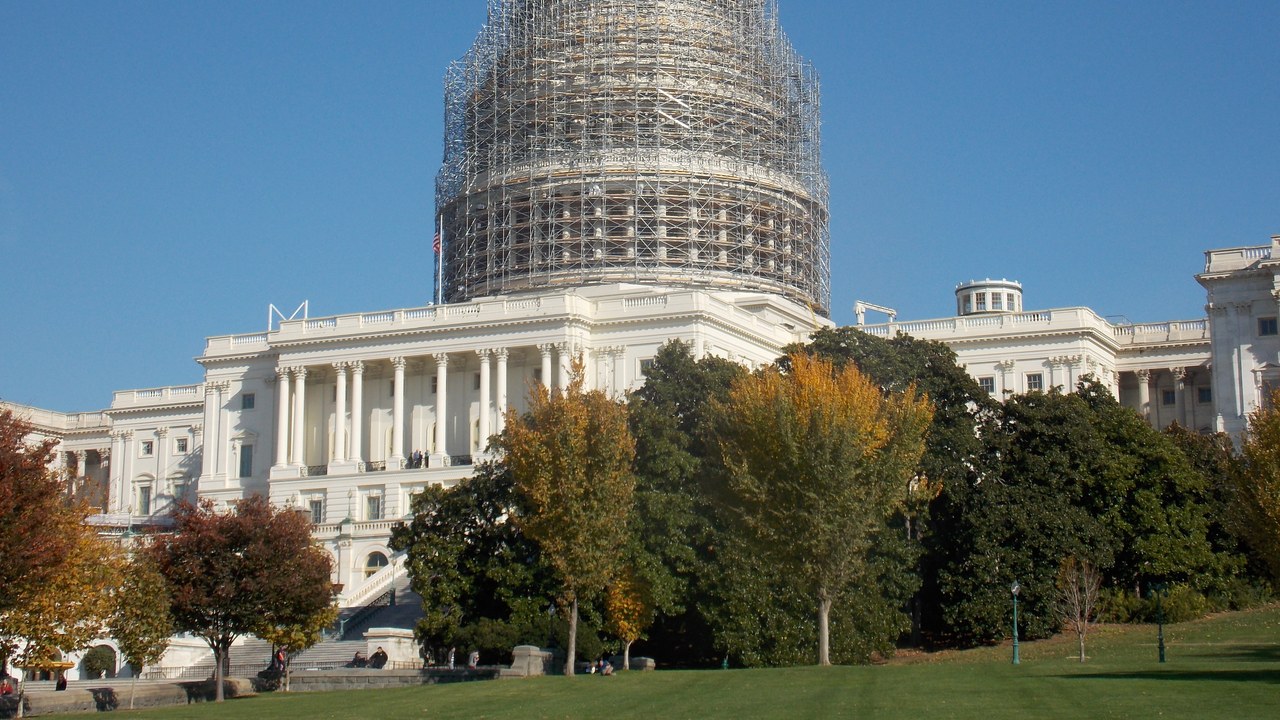
Congress repealed the $5 overdraft cap and the regulation text still sits in the federal rulebook
The federal rule that was meant to hold overdraft fees at the largest banks to $5 never took effect, and a copy of its text is still printed in the nation’s regulations. Congress wiped the rule out in 2025, but the section that carried it is still on the books of the Code of Federal…
-
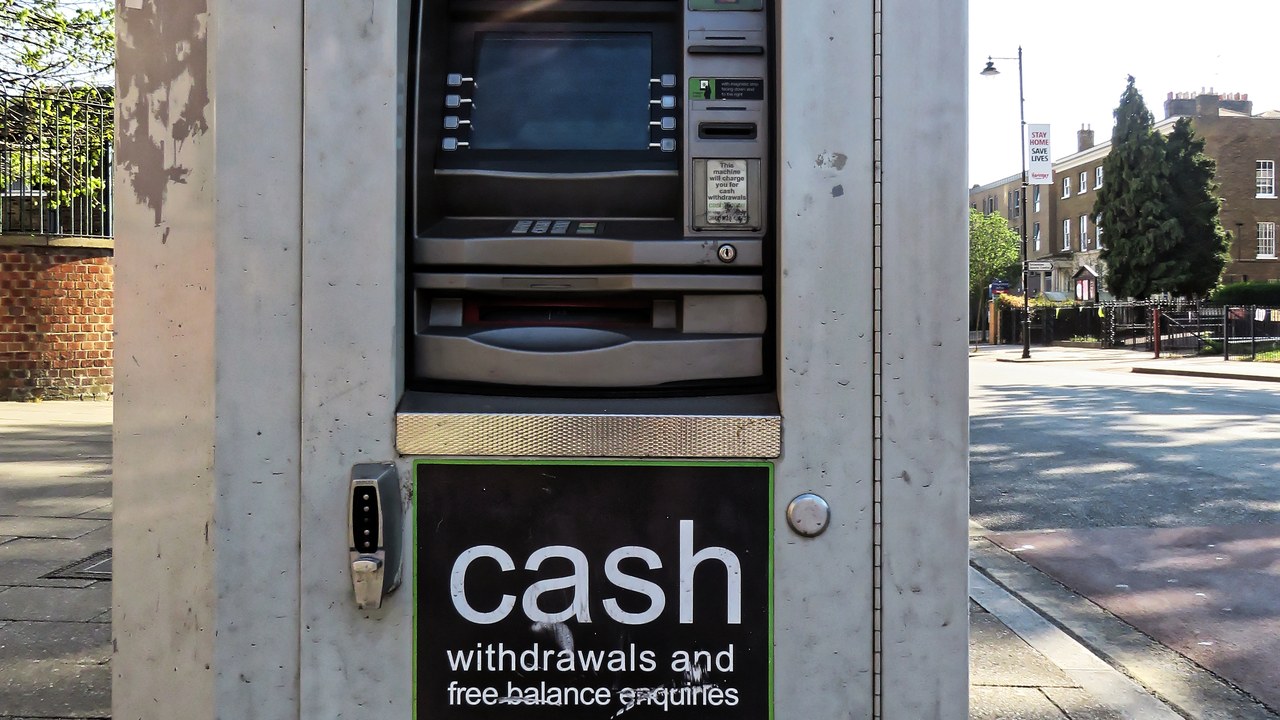
Congress voided the consumer bureau’s $5 overdraft cap in May 2025, so the rule never took effect
A federal cap on bank overdraft fees, built around a $5 benchmark, was finalized in the last days of 2024 and never reached a single customer statement. Congress cancelled the rule in the spring of 2025, months before its scheduled start date, using the same fast-track procedure that lawmakers have used to undo recently issued…
-
Six days with a negative balance in six months lets a bank hold your deposits for the next six months
A checking account that sits below zero on six banking days inside a six-month window gives a bank the right to slow down deposited funds for the six months that follow. The rule lives in Regulation CC, the Federal Reserve’s funds-availability regulation, and it reaches every account a customer holds at the bank rather than…
-

Banks collected $2.96 billion in overdraft and bounced-check fees in six months
Banks above $1 billion in assets collected $2.96 billion in combined overdraft and non-sufficient funds fees in the first six months of 2026. The number comes from a Motley Fool Money analysis of bank regulatory filings, relayed in a Stacker feature, and no regulator published it. For households, the more useful finding sits next to…