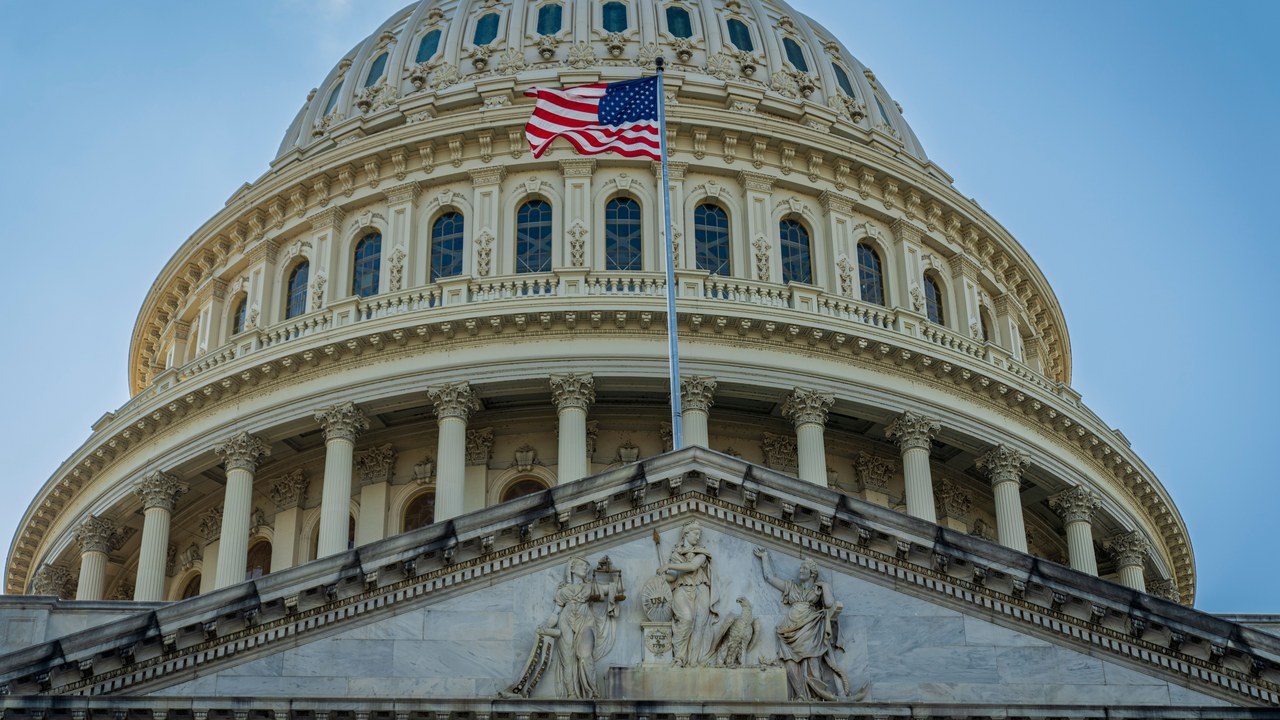
Comptroller of the Currency Jonathan V. Gould said on October 14, 2026 that the Office of the Comptroller of the Currency has eliminated reputation risk from its supervision of banks. He spoke as the agency released a report finding that the nine largest national banks it oversees had policies that limited or denied services to some customers. Nothing in the announcements gives an account holder a new right or a new place to appeal.
Gould made the remarks at a press conference in Lexington, Kentucky, with Representative Andy Barr, according to the OCC’s news release. Local coal and firearms business owners described how losing access to banking affected them.
For an ordinary account holder, the news is about how regulators supervise banks, not about a particular balance. The people most directly touched are customers of those nine banks and owners of businesses in the named industries. Anyone whose own account has been closed or limited should treat this as background, because it adds no step that can be taken today.
Retirement deadlines, in your inbox: Miss an enrollment or claim deadline and the money can be gone. The Retirement Money Brief keeps you ahead of the ones that matter, every weekday.
Get the Retirement Money Brief →
We may earn a commission from links on this page.
What the comptroller said
Gould said the banks reviewed had adopted reputation risk policies at various levels. He said those policies allowed political considerations, public opinion and social pressures to influence who got financial services. He said plainly that the agency has eliminated reputation risk from its supervisory framework.
He also drew a line on what the agency will not do. The OCC is not forcing banks to serve every customer, Gould said, and banks should evaluate every customer on objective, risk-based criteria. He added that there is more work to do so that Americans are not denied services because of their beliefs or disfavored industries.
What the OCC’s debanking report found
The report behind the remarks, titled Guaranteeing Fair Banking for All Americans, is described in a second OCC release. The agency reviewed JPMorgan Chase Bank, Bank of America, Citibank, Wells Fargo Bank, U.S. Bank, Capital One, PNC Bank, TD Bank and BMO Bank. It found that all nine had policies or practices that denied or limited services between 2020 and September 2025.
The industries named include oil and gas, coal, firearms and ammunition, detention facilities, tobacco and e-cigarettes, and digital assets. The OCC said it reviewed nearly 100,000 complaints and about 420,000 pages of bank documents. The release describes no appeal process for customers who were turned away, and it says the OCC will assess further changes for the largest banks.
The change did not start on October 14
The October 14 date marks the comptroller’s statement and the report, not the day the practice ended. The agency announced its review of the large banks in September 2025 and issued preliminary findings in December 2025, according to the same release, so the October report is the final chapter of a year-long look.
The comptroller’s statement is a status report. The OCC announced in a March 20, 2025 release that it would no longer examine its regulated institutions for reputation risk and would pull the term from its handbooks and guidance. Rodney E. Hood, then the acting comptroller, said the OCC had never used reputation risk as a catch-all justification for supervisory action.
A joint OCC and FDIC final rule went further. It bars the agencies from criticizing a bank or taking adverse action based on reputation risk. It also bars them from requiring, instructing or encouraging a bank to close accounts on that basis, or because of a person’s political, social, cultural or religious views.
The rule governs the agencies’ own conduct and, in its own words, does not impose obligations on FDIC-supervised institutions. In practice that means regulators cannot lean on banks over reputation. It does not say a bank must keep any particular customer, and banks keep the right to close accounts for reasons tied to financial or operational risk.
Where the CFPB comes in
The Consumer Financial Protection Bureau announced the same day that it will investigate whether the institutions in the OCC’s report complied with federal consumer financial law. Acting Director Mark Paoletta said it is appalling that these banks targeted American consumers for their political, social or religious beliefs.
The bureau named the Equal Credit Opportunity Act, the Fair Credit Reporting Act’s adverse action notice rules and the ban on unfair, deceptive or abusive practices. It said it continues to encourage consumers who believe they were debanked to submit complaints at consumerfinance.gov/complaint or by phone at (855) 411-2372. The release states no remedies, restitution or deadlines.
Gould has said the OCC is weighing more steps. The release says the agency is considering actions to prevent discrimination based on political or religious beliefs and to address reputation risk in bank decisions, and that it will assess further changes for the largest banks. None of those steps has been announced with a date.
That leaves a practical gap. A complaint can start a review, but it does not unfreeze an account on the day the money is needed. Social Security, a pension or a SNAP deposit that lands in a closed or frozen account can leave a household short of cash while the dispute plays out.
Bank pulled access to the account holding the benefits?
The OCC’s change deals with why banks may turn customers away. It does not say what to do on the day access to the money stops, and a late rent payment or a missed prescription will not wait for a regulator’s review.
The Bank Account & Debt Protection Kit turns to that day for people whose benefits are in the account. It includes the 2-month bank protection rule for Social Security money and the frozen-account response, with letters and worksheets for dealing with a bank or collector. This is a step past the news, from regulators’ policy to the household’s own account.
More Financial Reading
- 21 Ways to Stretch a $2,087 Social Security Check
- 15 Places to Find Your Share of the $4.25 Billion States Give Back
- 15 Steps to Stop the Scams That Took $7.7 Billion From Seniors
This article was produced with AI assistance and edited for accuracy against the sources linked above.