
Category: Fees & Overdraft
-

Woodforest Bank took an average of $94 per checking account in overdraft fees last year, more than three times Regions’ $30
A checking account at Woodforest Bank generated an average of $94 in overdraft fees during 2025, more than three times the $30 average at Regions Bank, the highest figure among the nation’s largest banks, according to a new tally of federal bank-filing data from the National Consumer Law Center. Both banks report to the same…
-

Four of the twenty largest U.S. banks charge no overdraft fee at all
A $34 grocery run that overdraws a checking account by even a few dollars still triggers a fee at most large banks, sometimes before the cardholder even sees the low-balance alert. Four of the twenty largest banks in the country have stopped collecting that fee under any circumstance, according to a review of overdraft practices…
-
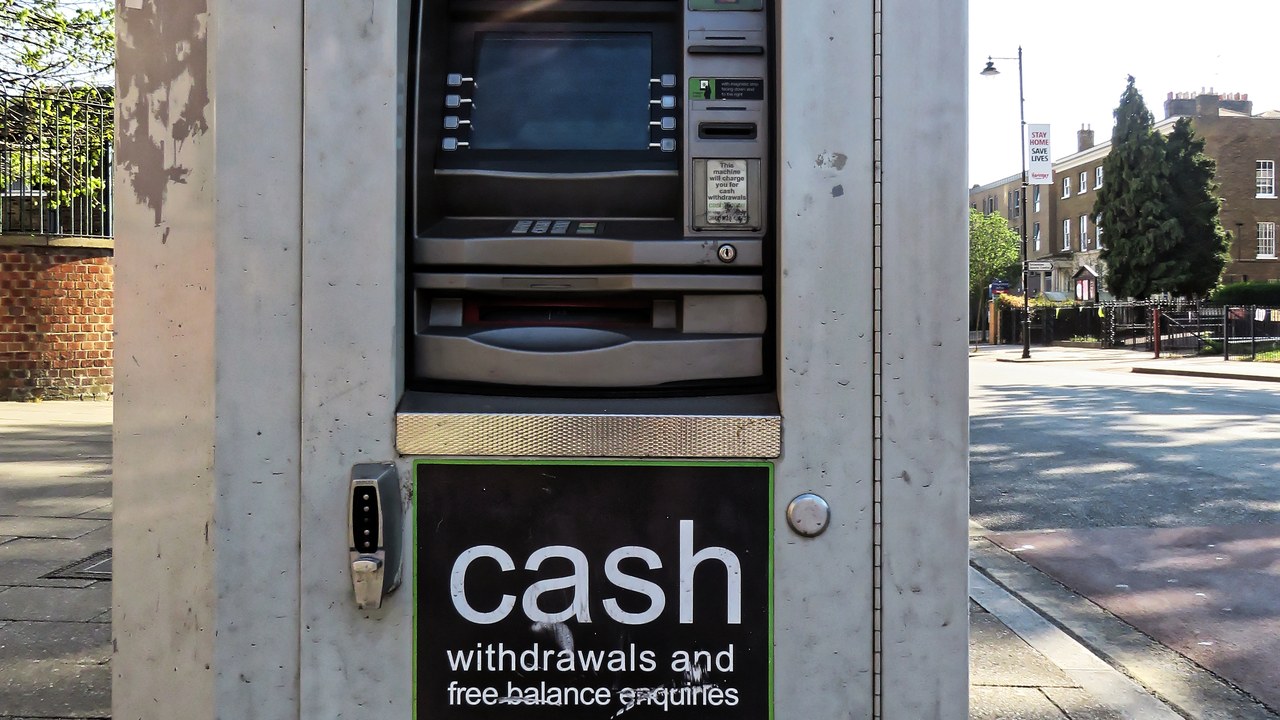
Banks and credit unions collected an estimated $12.4 billion in overdraft and bounced-payment fees last year
Household checking accounts absorbed an estimated $12.4 billion in overdraft and bounced-payment fees in 2025, according to a new tally from the National Consumer Law Center. That figure covers every bank and credit union nationwide, not just the largest players, and it lands a year after Congress voted to kill a federal rule that would…
-

The FTC says Doxo agreed to pay $2.1 million over allegations it charged consumers add-on bill-payment fees.
The Federal Trade Commission says online bill-payment company Doxo agreed to pay $2.1 million to resolve allegations that it used misleading search advertising and added fees to consumer bill payments. The amount is designated for consumer redress under a proposed stipulated order; it is not a public payout announcement with a currently published claims form.…
-
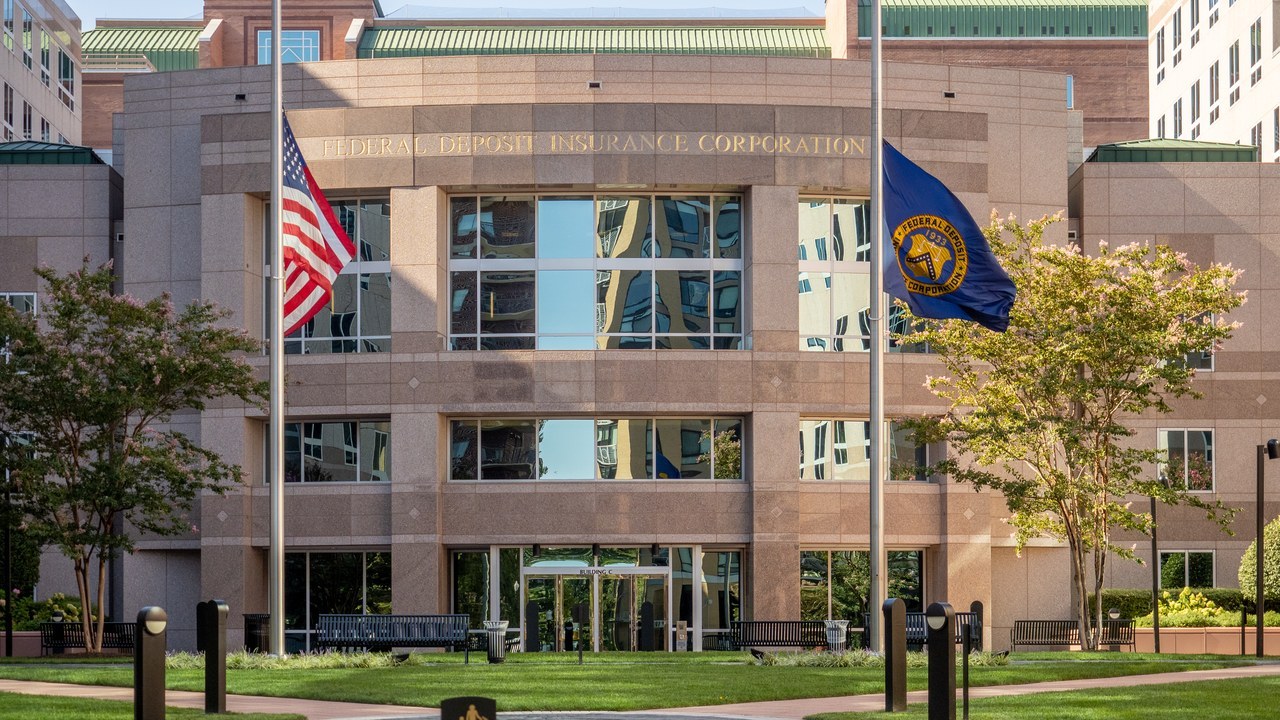
The rule stopping a bank from charging twice for the same bounced check is gone
Federal banking regulators have spent the last year and a half unwinding rules meant to limit how many times a bank can charge for the same bounced payment. The most direct of those rollbacks landed this spring, when the Federal Deposit Insurance Corporation dropped supervisory guidance that had discouraged FDIC-supervised banks from charging more than…
-

The CFPB is drafting a rule that would let banks charge for sending your data to apps.
Millions of people connect a bank account to a budgeting app, a bill-negotiation service, or an automated investing tool without ever paying a separate charge for the privilege. That arrangement may not last. The Consumer Financial Protection Bureau is working on a new rule that would let banks and credit unions charge outside apps for…
-
One large bank’s overdraft revenue reached $279 million last year, eight percent above 2023
PNC Bank’s overdraft and non-sufficient-funds revenue reached $279 million in 2025, up 8% from what it collected in 2023, according to bank-reported figures compiled by the National Consumer Law Center. PNC is far smaller than the two biggest overdraft collectors in the country, but its two-year growth rate is the kind of detail that gets…
-
Regions leads big banks in overdraft revenue per account, about $30 a year
Among the 20 largest consumer banks in the country, Regions Bank collected more overdraft fee revenue per checking account than any other in 2025, about $30 a year on average. That figure comes from the same federal call-report data that regulators and consumer advocates use to track the industry, and it answers a more useful…
-
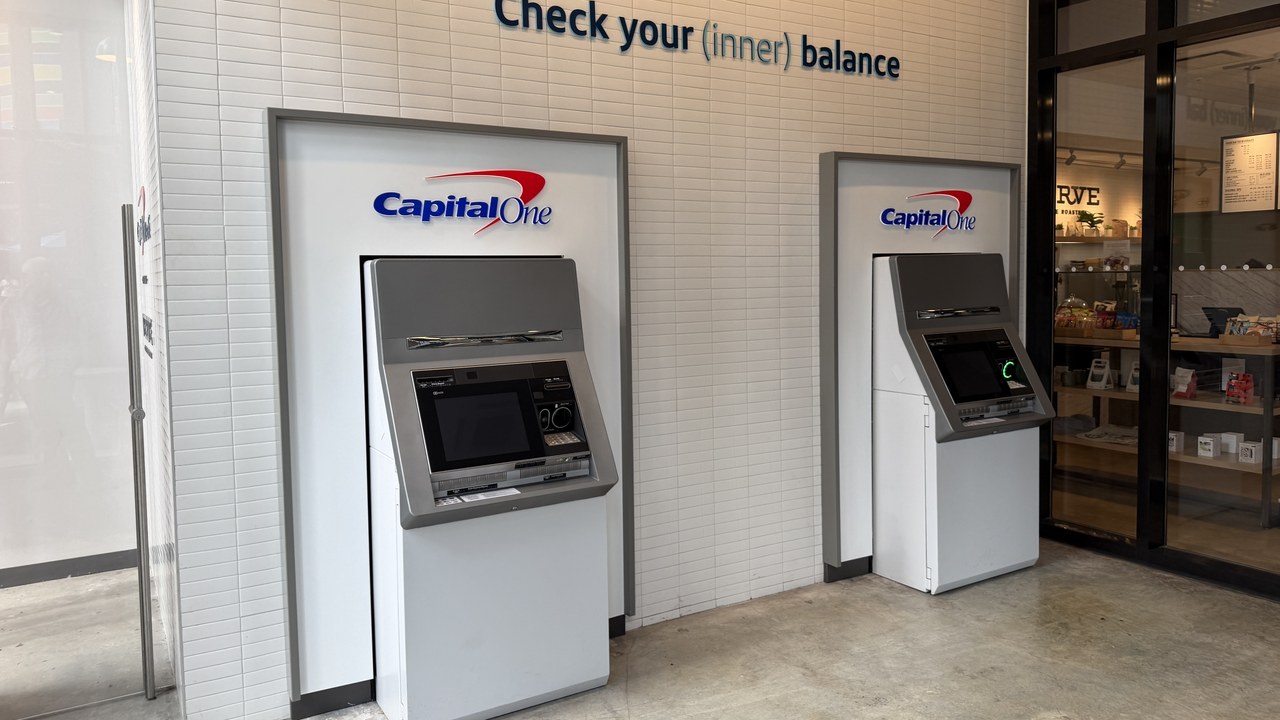
Capital One, Citibank, American Express and Ally charge no overdraft fee at all
Four of the country’s biggest consumer banks charged their customers nothing at all for overdrawing an account in 2025, even as banks and credit unions nationwide collected more than $12 billion in overdraft and non-sufficient-funds fees for the year. The gap between those two facts is not an accident of size or region: it’s a…
-
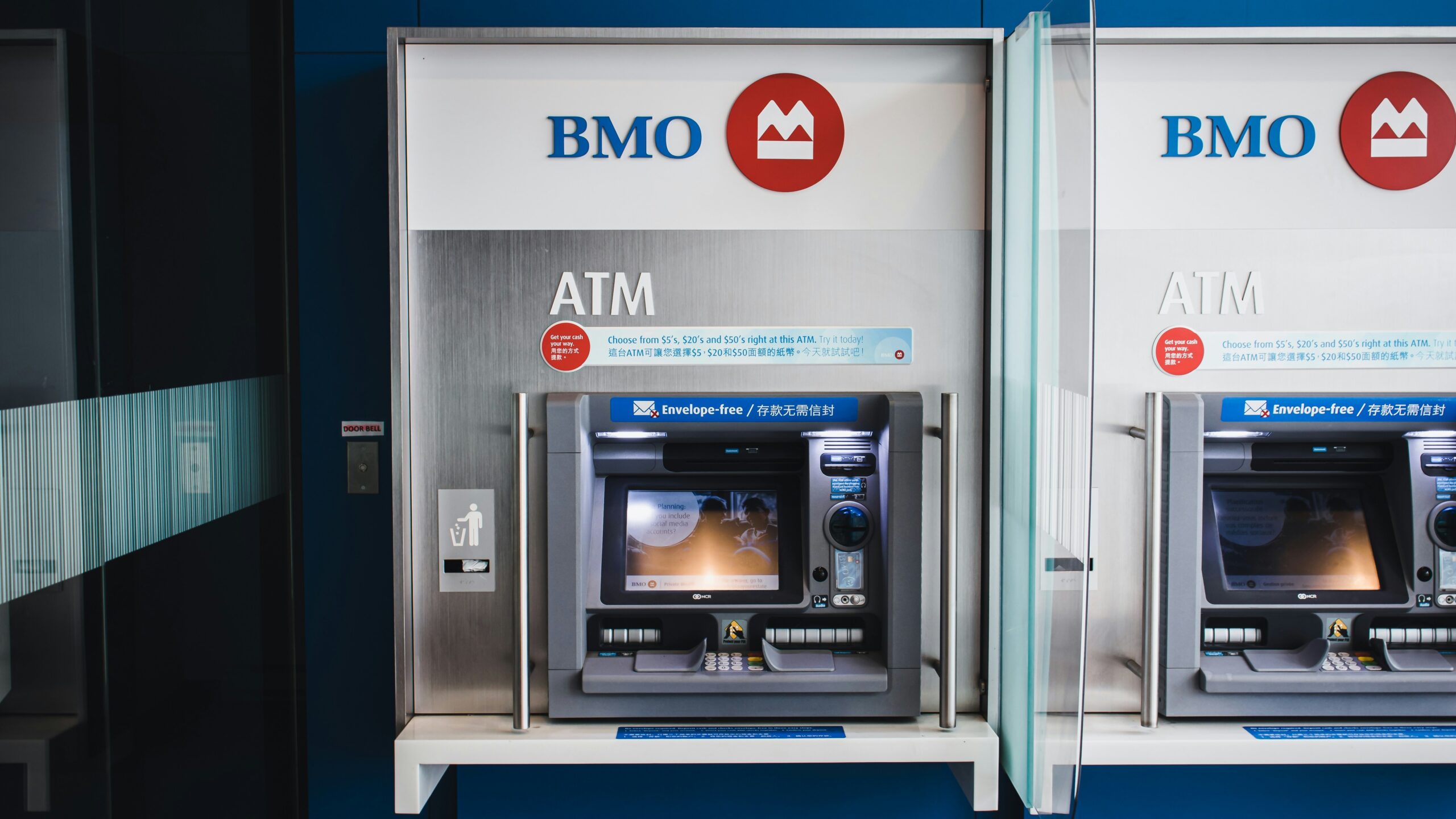
The wrong ATM now costs $4.86 on average, a record, and $5.37 in Atlanta
Pulling cash from an ATM that doesn’t belong to your own bank has never cost more. The average combined fee for an out-of-network withdrawal climbed to $4.86 in Bankrate’s latest annual study, and in several major cities it now tops $5 a swipe. For anyone who still keeps cash on hand for tips, a rent…