Federal banking regulators have spent the last year and a half unwinding rules meant to limit how many times a bank can charge for the same bounced payment. The most direct of those rollbacks landed this spring, when the Federal Deposit Insurance Corporation dropped supervisory guidance that had discouraged FDIC-supervised banks from charging more than one insufficient-funds fee on a single item that bounces and gets resubmitted. For a household living paycheck to paycheck, that guidance was one of the last checks on a practice that can turn one missed payment into two or three separate fees for the exact same failed transaction.
The FDIC guidance that discouraged repeat NSF fees
The rule at issue was never legislation passed by Congress. It was Financial Institution Letter 32-2023, guidance the FDIC issued in June 2023 describing its supervisory approach when a bank assessed multiple non-sufficient-funds fees tied to the re-presentment of the same unpaid item — for example, when a merchant resubmits a declined debit charge, or an unpaid check comes back through the system a second or third time after failing once. That 2023 letter had itself replaced an earlier 2022 guidance on the same practice, and both told bank examiners to look closely at institutions whose account disclosures did not make clear that a single returned payment could generate more than one fee.
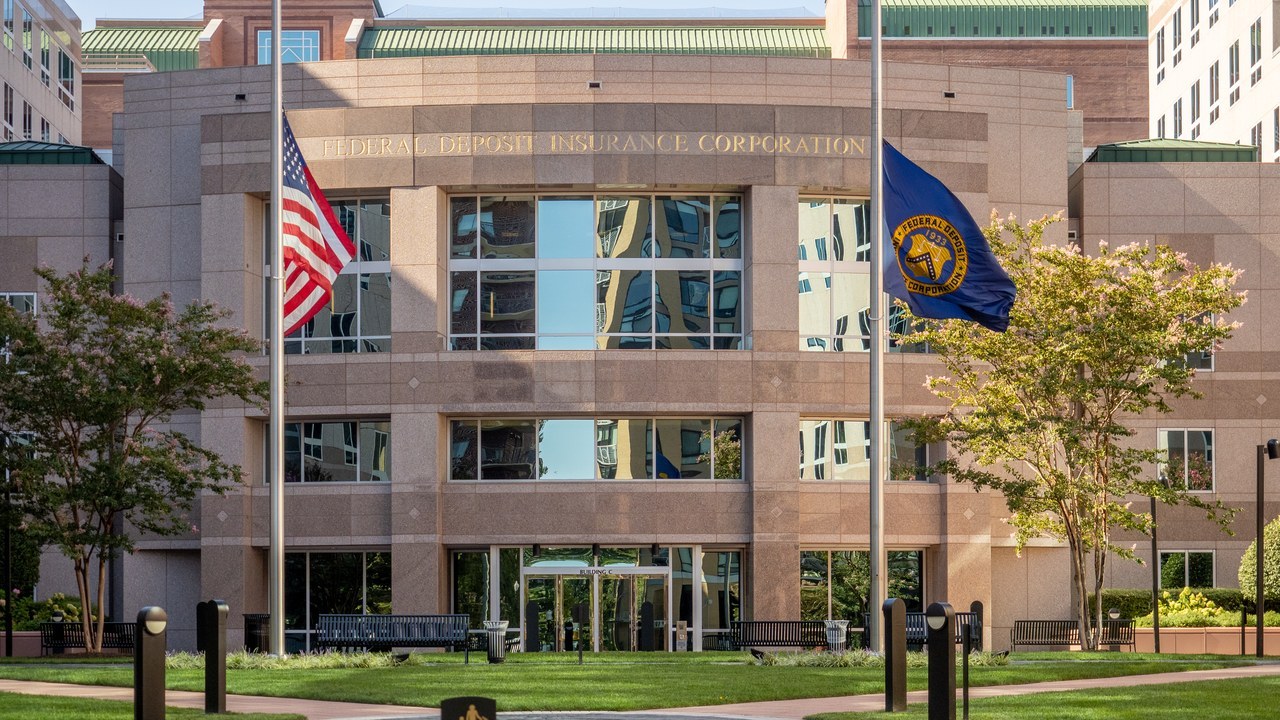
On April 10, 2026, the FDIC rescinded that guidance outright, issuing Financial Institution Letter 14-2026 effective immediately. The agency said the 2023 letter was “overly broad in scope” and had created uncertainty about when disclosures on re-presented items might raise “unfairness” concerns under Section 5 of the Federal Trade Commission Act. The rescission covers every FDIC-supervised bank and leaves only a general instruction in its place — that disclosures to customers should accurately reflect what a bank actually does — without the earlier, specific supervisory expectation discouraging repeat fees on one bounced item.
Free retirement updates: Miss an enrollment or claim deadline and it may be gone. Our free Retirement Shield newsletter keeps readers ahead of the ones that matter. Get the free newsletter.
Two other agencies eased off around the same time
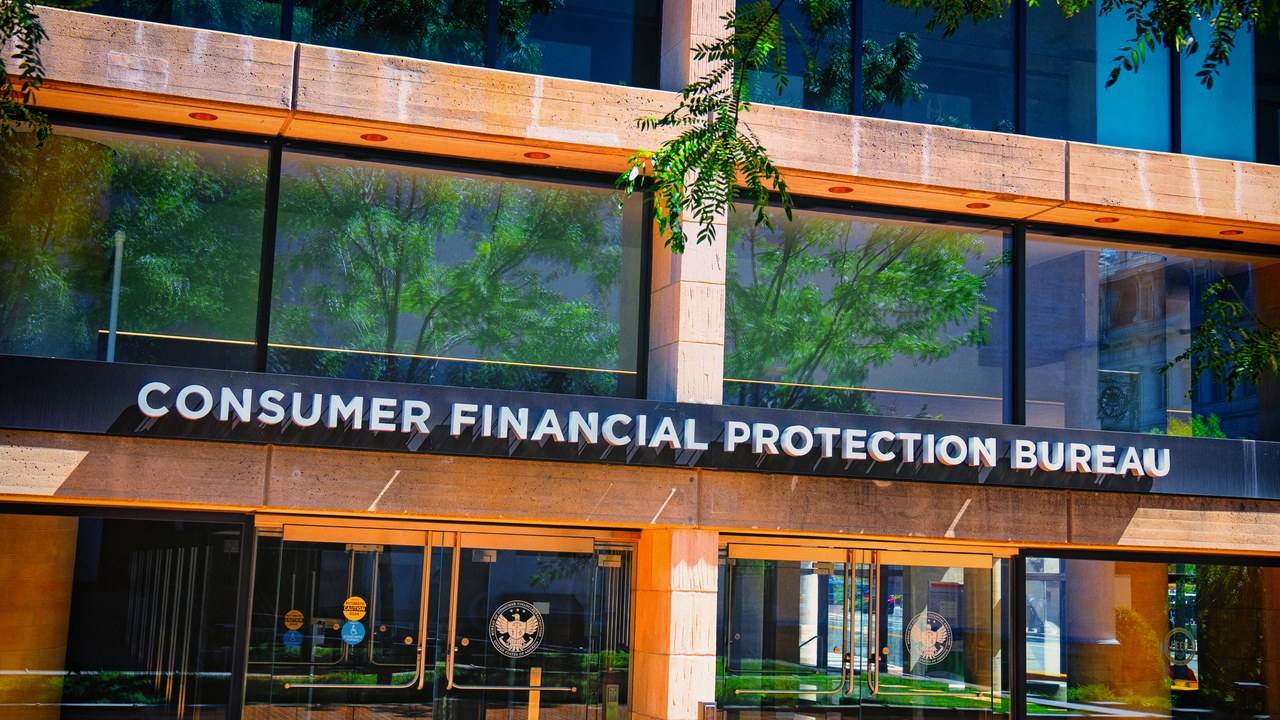
The FDIC’s move did not happen in isolation. In July 2025, the Consumer Financial Protection Bureau terminated a consent order against Navy Federal Credit Union, the nation’s largest credit union, that had required it to refund $80 million and pay a $15 million penalty over surprise overdraft fees charged on ATM withdrawals and debit purchases between 2017 and 2022, in cases where accounts held enough money at the moment of the transaction. CFPB Acting Director Russ Vought signed the two-page termination order waiving any remaining compliance obligations, without stating a specific reason for the reversal.
The National Credit Union Administration made a quieter change of its own. It stopped requiring credit unions to report how much they collect in overdraft and NSF fees each year, so that side of the industry no longer shows up in the federal data the way bank fees still do through call reports filed with regulators.
Why overdraft and NSF revenue climbed back up in 2025
The retreat lines up with the industry’s own numbers. A National Consumer Law Center issue brief published in June 2026 found that the 20 largest consumer banks collected roughly $4 billion in overdraft fees in 2025, a 6.2% increase over 2023, and estimated that banks and credit unions combined took in about $12.4 billion in overdraft and NSF fees for the year. Some banks moved well past the industry average: Huntington Bank’s overdraft revenue rose 40% over that span, M&T Bank’s rose 36%, and PNC Bank’s climbed 8% to $279 million even though PNC holds far fewer accounts than JPMorgan Chase or Wells Fargo, the two largest overdraft-fee collectors at roughly $1 billion each.
Much of that increase follows a rule that never actually took effect. The CFPB finalized a regulation in 2024 that would have capped most overdraft fees at $5 for large banks, a change the agency projected would save the average fee-paying household about $225 a year. Congress overturned that rule in 2025 before it could go into force, and with it went the regulatory pressure that had already pushed several banks to lower or eliminate fees on their own. Roughly a quarter of households still pay an overdraft or NSF fee in a typical year, and the National Consumer Law Center brief notes those costs land hardest on lower-income households and on Black and other nonwhite households, who are less likely to have the cash cushion that keeps a declined payment from triggering a fee in the first place.
Which banks moved the other direction
Not every bank followed the same path. The National Consumer Law Center brief credits Capital One, Citibank, American Express and Ally Bank with charging no overdraft fees at all, and notes that none of the 20 largest consumer banks currently charges a separate NSF fee. BMO Bank cut its overdraft fee from $36 to $15 in 2023, which dropped its overdraft revenue from $27 million to $2 million by 2025 — before the bank raised the fee back to $20 in 2026 and cut the account cushion that lets a small negative balance pass fee-free from $50 to $20. Truist Bank’s overdraft fee revenue fell 10% over the same period without any corresponding federal requirement to do so.
State governments are the remaining backstop
With supervisory pressure eased at the FDIC, the CFPB and the NCUA, the National Consumer Law Center argues the remaining leverage now sits mostly with state governments, which can still cap overdraft and NSF fees at banks and credit unions chartered in their own states even though federal preemption limits their authority over nationally chartered banks. Its report recommends states cap overdraft fees at $5, prohibit NSF fees outright, and limit accountholders to six overdraft fees or $200 in total fees per year — close to the ceiling the 2024 federal rule would have set nationally before Congress reversed it.
The Relief That Turns on a Form, Not a Regulator
Overdraft policy moves when a federal agency writes or rescinds a rule. A separate layer of household relief moves only when a form is filed: Extra Help with Part D drug costs, SNAP for people 60 and over, and state circuit-breaker property-tax credits all pay out on application and nothing else. No agency screens a bank account for eligibility and signs anyone up, which is why so many of these programs sit unclaimed in the same households absorbing the fees.
The Benefits Checklist runs 63 pages across 11 such programs, with the 2026 income limits for each and a 50-state directory of the offices that administer them.
Read the circuit-breaker credit section, and who handles it state by state, in The Benefits Checklist.
This article was produced with AI assistance and reviewed by a human editor. Figures are linked to their primary sources; where a claim could not be verified from the public record, we say so.