Federal banking regulators have rewritten one of the oldest and vaguest phrases in bank oversight: “unsafe or unsound practice.” For decades, examiners leaned on that phrase to flag almost anything about how a bank ran itself, from thin paperwork to slow fraud controls, often without a fixed legal definition to point back to. A new final rule from two of the country’s top bank regulators narrows that authority so it focuses on risks that could actually hurt a bank’s finances or drain the federal fund that insures deposits. The change does not touch anyone’s checking or savings account directly, but it resets how closely, and for what reasons, the bank holding that money gets examined.
A Legal Definition for a Phrase Regulators Used to Improvise
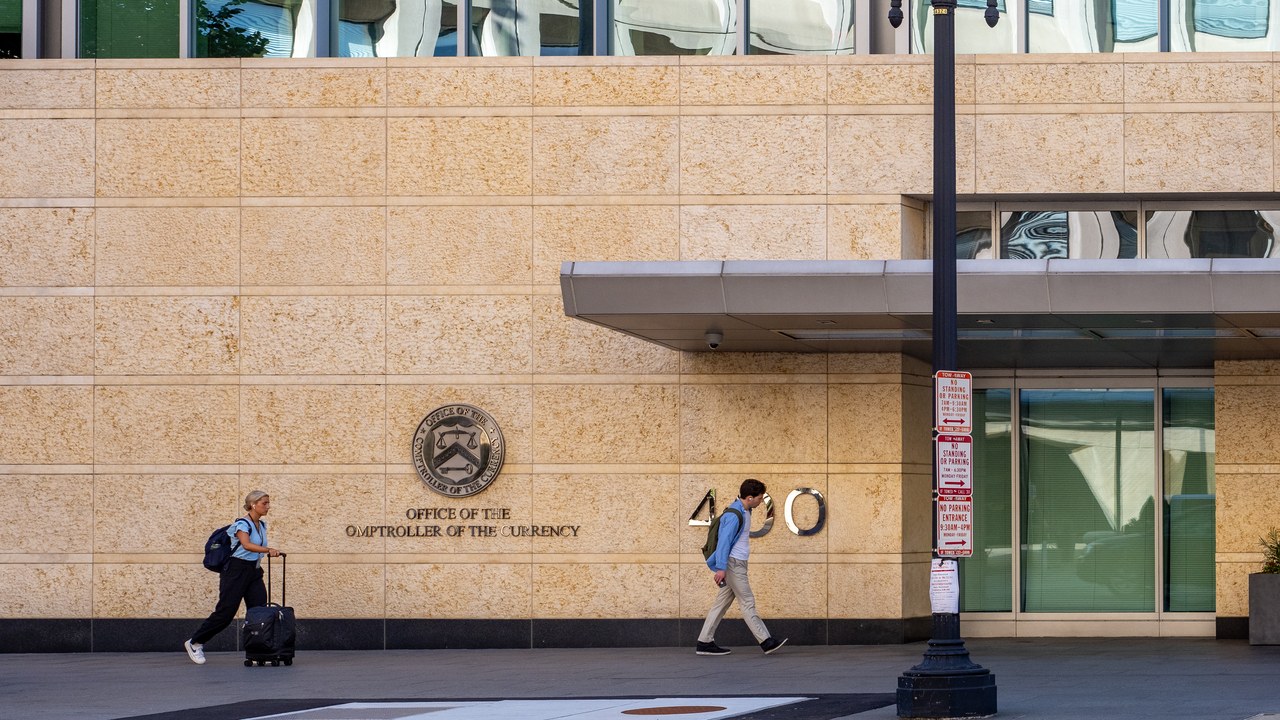
The Office of the Comptroller of the Currency and the Federal Deposit Insurance Corporation finalized the rule on August 27, 2026, and it becomes effective November 2, 2026, according to the Federal Register notice the agencies filed. The notice defines an “unsafe or unsound practice” as a practice, act, or failure to act that is contrary to generally accepted standards of prudent operation and is likely, if continued, to materially harm a bank’s financial condition or present a material risk of loss to the Deposit Insurance Fund, the reserve that backs insured deposits when a bank fails. Under the prior, undefined standard, examiners could cite banks over concerns that never touched a bank’s bottom line, including internal policies, documentation gaps, and reputational worries unrelated to financial condition. The new definition excludes reputation risk that has no financial component, and it requires a showing that harm is likely, not merely possible.
Free weekday retirement brief: Social Security, Medicare, and the IRS change the rules every year — and no notice arrives in the mail. The Retirement Money Brief by RetireShield explains one change every weekday: what moved, who it affects, and the step to take. Get the free brief.
Fewer Grounds for a Formal Warning, More Focus on Money at Risk
Below the level of a formal enforcement action, examiners use a supervisory letter called a Matter Requiring Attention, or MRA, to put a bank on notice about a weakness. OCC Bulletin 2026-40, posted the same day the rule was signed, explains that an MRA may now be issued only for a practice that is contrary to prudent operating standards and could reasonably be expected to materially harm a bank’s financial condition or the Deposit Insurance Fund, or that is an actual violation of banking law. Weaknesses that fall short of that bar can still be raised as informal “supervisory observations,” which carry no requirement that they be presented to a bank’s board of directors. The bulletin also directs examiners to tailor how strict they are based on a bank’s size, complexity, and risk profile, and to share the specific factual basis for any finding with the bank rather than relying on general concerns.
A Second Rule Curbs Pressure to Close Customer Accounts
The examination rewrite arrives alongside a related set of protections for bank customers themselves. A joint statement issued by the Federal Reserve, the FDIC, the National Credit Union Administration, and the OCC points to two earlier final rules, published at 91 FR 18279 on April 10, 2026, and 91 FR 38270 on June 25, 2026, that bar the FDIC, OCC, and NCUA from requiring, instructing, or encouraging a bank to end a customer relationship because of the customer’s political, social, cultural, or religious views, or because of lawful business activity that examiners might otherwise treat as a reputation risk. The joint statement ties those rules to Executive Order 14331, “Guaranteeing Fair Banking for All Americans,” and separately clarifies that federal confidentiality rules around fraud reports do not stop a bank from telling a customer it is closing an account over suspected fraud, so long as the bank does not reveal whether a formal fraud report was filed.
What the Redefinition Means for an Ordinary Deposit Account
None of this changes deposit insurance limits, interest rates, or fees at any individual bank. What it changes is the pressure a bank feels from its examiners day to day. A bank facing fewer citations over paperwork and process has less regulatory incentive to over-correct in ways that ripple down to customers, such as abrupt account closures or new restrictions adopted mainly to satisfy an examiner rather than to manage a real financial risk. At the same time, a narrower trigger for formal warnings means the public record of supervisory findings, gathered through Freedom of Information Act requests and examination reports, will likely reflect fewer nonfinancial citations going forward, since those can now only surface as informal observations that do not carry the same reporting weight. The practical effect shows up gradually, in how banks explain the reasons behind account decisions and in what examiners are willing to press on.
The two agencies received 36 comments on their original proposal before finalizing the rule, with supporters arguing that a narrower standard would let examiners concentrate on genuine safety-and-soundness threats and critics warning it could limit early identification of emerging risks. The final version keeps the tailoring structure from the proposal, requiring the agencies to calibrate their scrutiny to a bank’s capital structure, complexity, and asset size, but it commits examiners to explaining, in writing, the objective facts behind any citation before it becomes part of a bank’s formal supervisory record.
What a frozen account does not explain
Federal benefits carry protection from garnishment, but the protection has to be demonstrated before the money moves.
The Bank Account & Debt Protection Kit includes a 10-page kit, the 2-month bank protection rule and the debt-validation steps.
See the 2-month bank protection rule in The Bank Account & Debt Protection Kit.
This article was produced with AI assistance and reviewed by a human editor. Figures are linked to their primary sources; where a claim could not be verified from the public record, we say so.