
Category: Consumer Rights
-
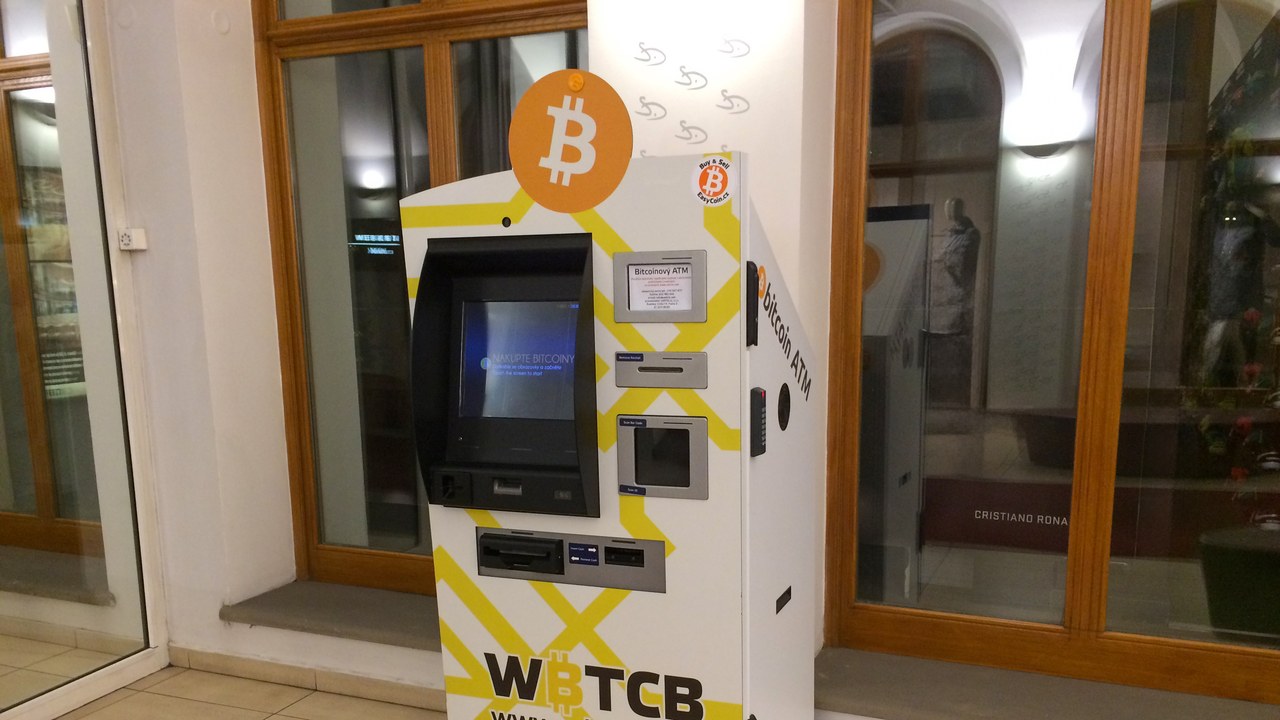
North Carolina crypto kiosks must hold new customers’ transactions for 48 hours starting January 1
Starting January 1, 2027, a cryptocurrency kiosk in North Carolina must hold a newcomer’s order for 48 hours before any coins move. The rule comes from House Bill 920, the Virtual Currency Kiosk Consumer Protection Act, now Session Law 2026-45. The governor signed it on July 7, 2026, and the General Assembly’s bill page shows…
-

A judge ordered Holly Christina Photography to pay nearly $600,000 after 228 consumer complaints
A North Carolina judge has granted a default judgment against Holly Christina Photography, a wedding photography business, ordering it to pay nearly $600,000 in restitution plus more than $1.1 million in civil penalties. Attorney General Jeff Jackson’s office announced the ruling on October 12, 2026. A default judgment means the defendants did not fully answer…
-

Connecticut solar customers signed up through forged or unauthorized contracts can seek uncapped restitution from Sunrun, which must answer fraud claims within 60 days
Connecticut solar customers whose contracts were signed through forged signatures, or without their full consent, can seek restitution from Sunrun with no cap on the amount, under a settlement announced October 23, 2026 by Attorney General William Tong. Sunrun must investigate each fraud claim and send the customer a response within 60 days. The attorney…
-
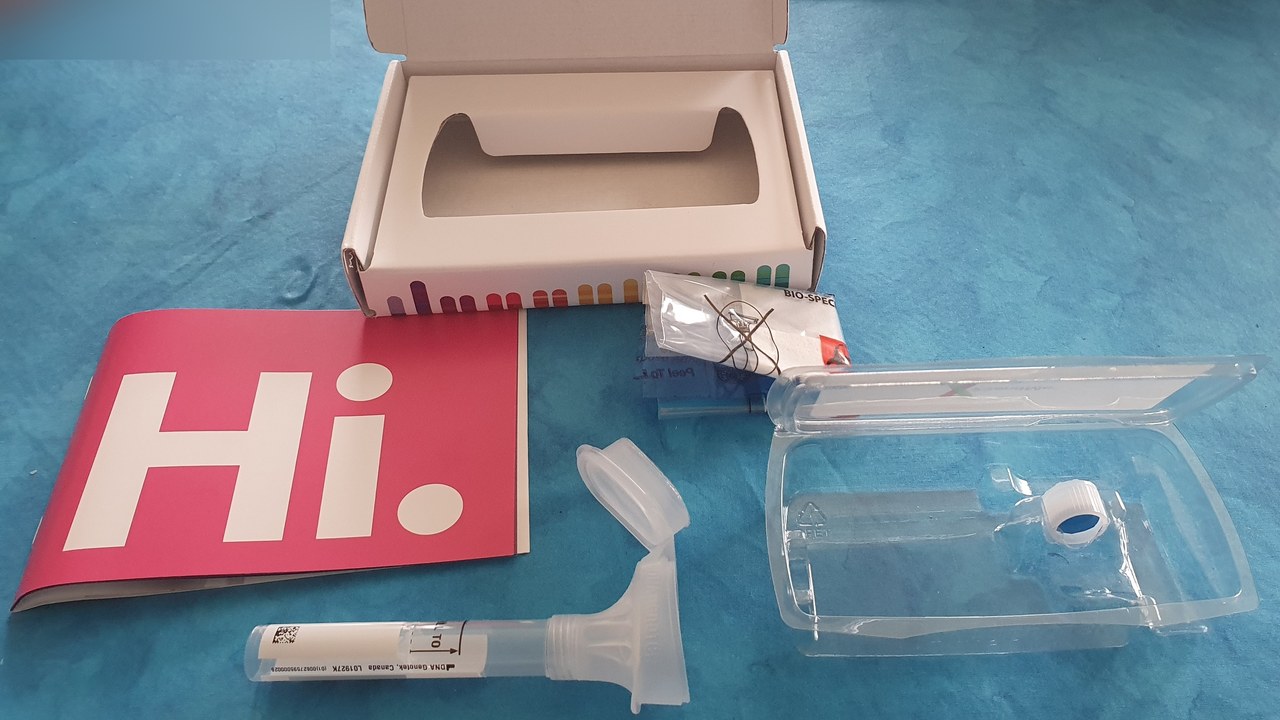
California reached a $6 million 23andMe deal, pending court approval, over a breach exposing more than 855,000 Californians, who can still have their DNA data deleted
California Attorney General Rob Bonta announced a $6 million settlement with the company that used to be 23andMe on October 19, 2026. The deal covers a 2023 data breach that exposed information on more than 855,000 Californians, and it still needs approval from the U.S. Bankruptcy Court for the Eastern District of Missouri. The payment…
-
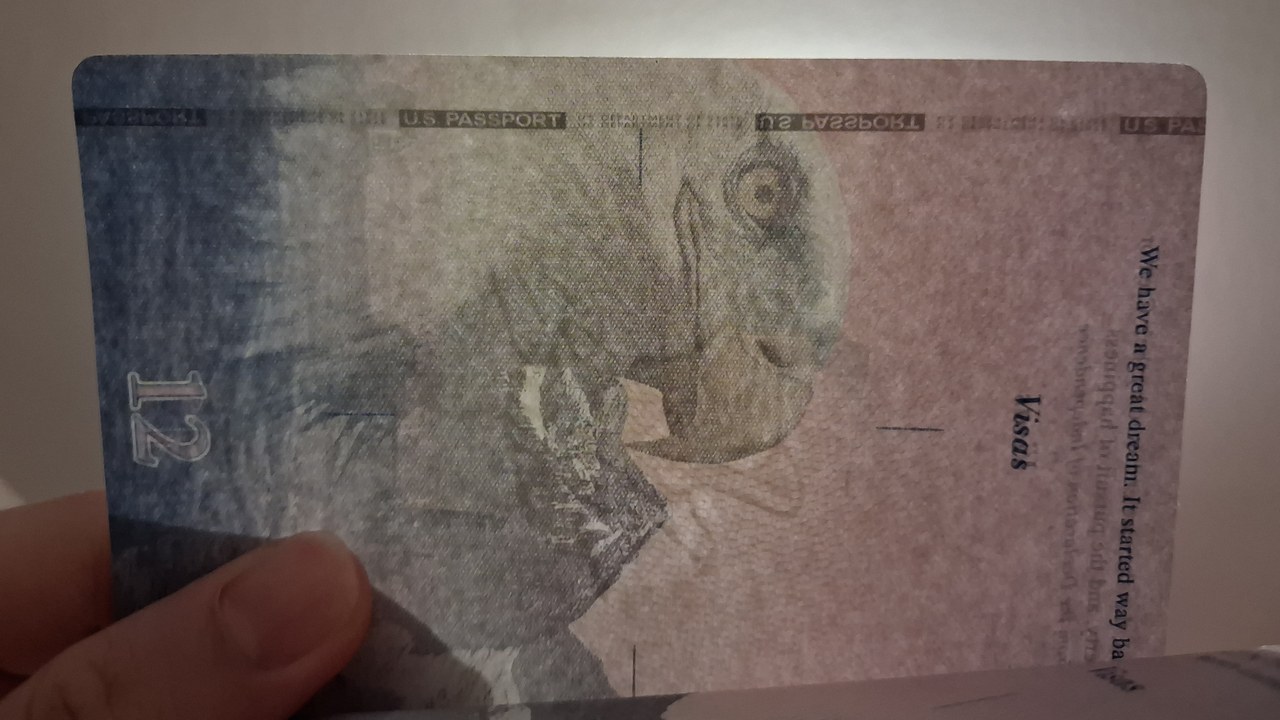
The FTC says GovAssist.com and Entry.com charged travelers at least $148 for passport help advertised at $89, while the State Department application is free
The Federal Trade Commission says two websites that look like passport services charged travelers at least $148 for help that was advertised at $89, when the application itself is free from the State Department. The agency sued the companies behind GovAssist.com and Entry.com on October 22, 2026, in federal court in Puerto Rico. The complaint,…
-

Sextortion victims can get intimate images taken down free within 48 hours under the Take It Down Act, the FTC says, as it sues a paid helpline
Anyone being blackmailed over intimate images has a free way to get them removed, and the Federal Trade Commission is warning that some paid “helplines” are charging thousands of dollars for help they do not deliver. In a consumer alert on sextortion help, the FTC says online platforms must take down intimate images within 48…
-
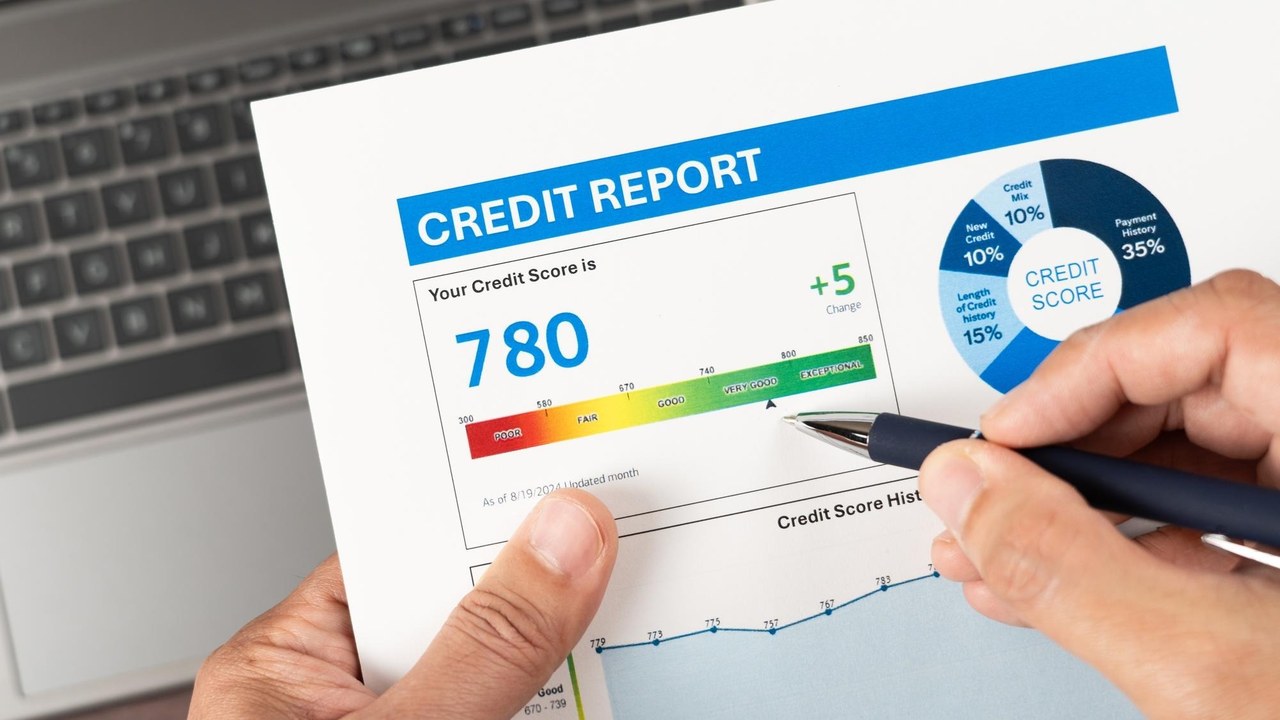
A credit freeze is free to place or lift at Equifax, Experian and TransUnion, and while it is on no one can open new credit in that person’s name
Placing a credit freeze costs nothing, and so does lifting one. The Federal Trade Commission says on its consumer advice page that “there’s no cost to place or lift a credit freeze” at the three nationwide credit bureaus: Equifax, Experian and TransUnion. While the freeze is on, nobody can open a new credit account in…
-
Social Security replaces a lost or stolen Social Security card for free
Nobody has to pay to replace a lost or stolen Social Security card. The Social Security Administration says a replacement card is free, and that it never charges for the card services it provides. The agency’s replacement card page, last updated October 14, 2026, says “You can request a free replacement card.” A Social Security…
-

Dating services that ban a member for fraud will get 24 hours to warn everyone who was messaged, and the FTC will treat a failure as deceptive
Online dating apps will soon have to warn members after they ban someone for fraud. The Romance Scam Prevention Act, H.R. 2481, gives a service 24 hours to tell every member who received a message from the banned account, and a miss is treated as an unfair or deceptive practice under the Federal Trade Commission…
-

Trump signed the Romance Scam Prevention Act, which will force dating apps to warn members within 24 hours when a match is banned for fraud
President Donald Trump signed the Romance Scam Prevention Act on Tuesday, October 20, 2026. The law, H.R. 2481, will require online dating services to warn members who were messaged by someone the service later banned for fraud. The default deadline for that warning is 24 hours after the ban, but the rule does not start…