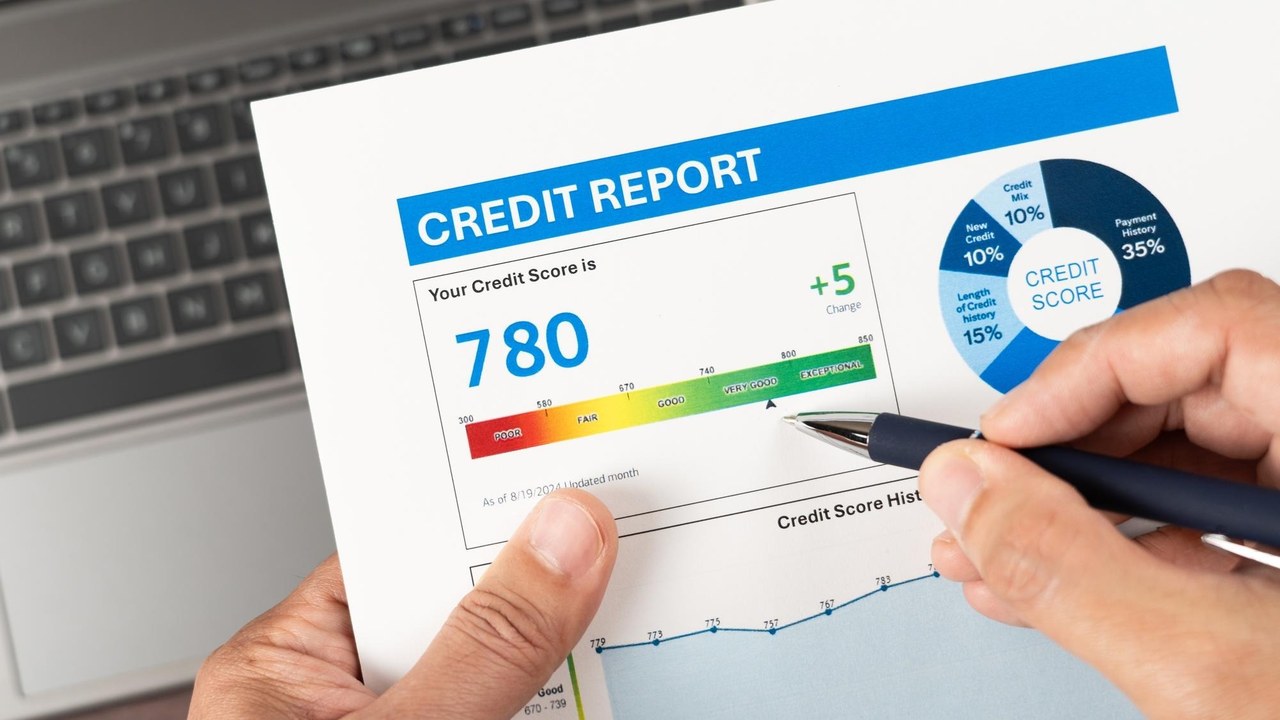
Placing a credit freeze costs nothing, and so does lifting one. The Federal Trade Commission says on its consumer advice page that “there’s no cost to place or lift a credit freeze” at the three nationwide credit bureaus: Equifax, Experian and TransUnion. While the freeze is on, nobody can open a new credit account in that person’s name.
That makes the freeze one of the strongest protections against identity theft, and one of the least used. Anyone can place one, with or without being a fraud victim.
What does a credit freeze actually block?
The FTC page says a freeze stops anyone from opening a new credit account in the person’s name, and it adds a detail people often miss: “including you.” The owner of the freeze is also blocked from opening new credit until the freeze is lifted. The page says a freeze does not affect a credit score.
A freeze limits new accounts. It does not close existing ones, and it does not stop a thief from using a stolen card number on an account that is already open. That is why the FTC also tells people to look over their credit reports regularly and watch for accounts they do not recognize.
The freeze lasts until the person lifts it. The FTC says it stays in place with no expiration date, so there is nothing to renew.
Is it free by law, and who says so?
The Consumer Financial Protection Bureau points to the federal law requiring free security freezes, and says people can freeze and unfreeze their credit records for free. A bureau cannot charge a fee for either step.
For anyone asked to pay to protect their own credit, the question has a short answer. The FTC’s credit freeze page is the free official route, and it links to each bureau’s own freeze request page.
Retirement deadlines, in your inbox: Miss an enrollment or claim deadline and the money can be gone. Join the Retirement Money Brief and we’ll send you our Scam & Identity-Theft Action Card as a welcome gift.
Get the Brief + the scam action card →
We may earn a commission from links on this page.
How does someone place a freeze at all three bureaus?
A freeze is placed with each bureau separately. The FTC page lists where to start: Equifax at equifax.com/personal/credit-report-services, Experian at experian.com/help and TransUnion at transunion.com/credit-help. The page itself gives no phone numbers.
All three must be frozen, because a lender may check any one of them. A freeze at only one bureau leaves the other two open to a thief.
How does a freeze come off when credit is needed?
Someone applying for a mortgage, car loan or credit card needs the lender to see the credit file, so the freeze comes off for that. The FTC suggests lifting the freeze only at the bureau the lender will check, then putting it back afterward. Because lifting is free, the cost of the routine is a few minutes online.
Fraud alerts are a separate, lighter tool, and they are also free. An initial alert lasts one year and can be renewed. An extended alert lasts seven years but requires an FTC identity theft report from IdentityTheft.gov or a police report. Active-duty servicemembers can get a one-year alert. A fraud alert makes lenders verify identity before granting new credit, but unlike a freeze it does not stop businesses from viewing the credit report.
Can a child’s credit be frozen too?
Yes. The FTC says a parent can request a free freeze for a child under 16, and it stays in place until the parent asks the bureaus to remove it. The process differs from the adult one, so each bureau has its own minor-freeze instructions, which the FTC links.
The open question for most households is not cost but follow-through. A freeze only protects the bureaus where it was actually placed, and the FTC says it lasts until the person lifts it, so the work is done once.
Frozen your credit yet?
A thief who opens a card or loan in someone else’s name can run up debt for months before a bill arrives, and each bureau that stays unfrozen is one open door. The mistake that costs the most is freezing two bureaus and forgetting the third.
The Senior Fraud Defense & First-Hour Recovery Kit includes the free credit-freeze steps for all three bureaus, the first-hour recovery plan and a fraud evidence and report log. The log gives a person one place to record every account, call and report if something does go wrong.
Get the Senior Fraud Defense Kit’s three-bureau credit-freeze steps →
More Financial Reading
- 21 Ways to Stretch a $2,087 Social Security Check
- 15 Places to Find Your Share of the $4.25 Billion States Give Back
- 15 Steps to Stop the Scams That Took $7.7 Billion From Seniors
This article was produced with AI assistance and edited for accuracy against the sources linked above.