
Category: Checking & Savings
-

Treasury still urges federal benefit recipients paid by check to switch to direct deposit
Paper checks are no longer the normal way the federal government pays people. Treasury’s Bureau of the Fiscal Service says the government stopped issuing paper checks for most federal payments starting September 30, 2025, and its public notice still tells anyone who gets a check to switch to electronic payment. The Fiscal Service runs the…
-

Social Security asks SSI applicants for permission to pull their bank records electronically, and will not approve an application without it
Anyone who applies for Supplemental Security Income has to let Social Security look at their bank accounts, and the agency treats a refusal as a reason the applicant cannot be paid. The permission is a condition of the program, written into Social Security’s rules, and the agency checks balances through an automated process it calls…
-
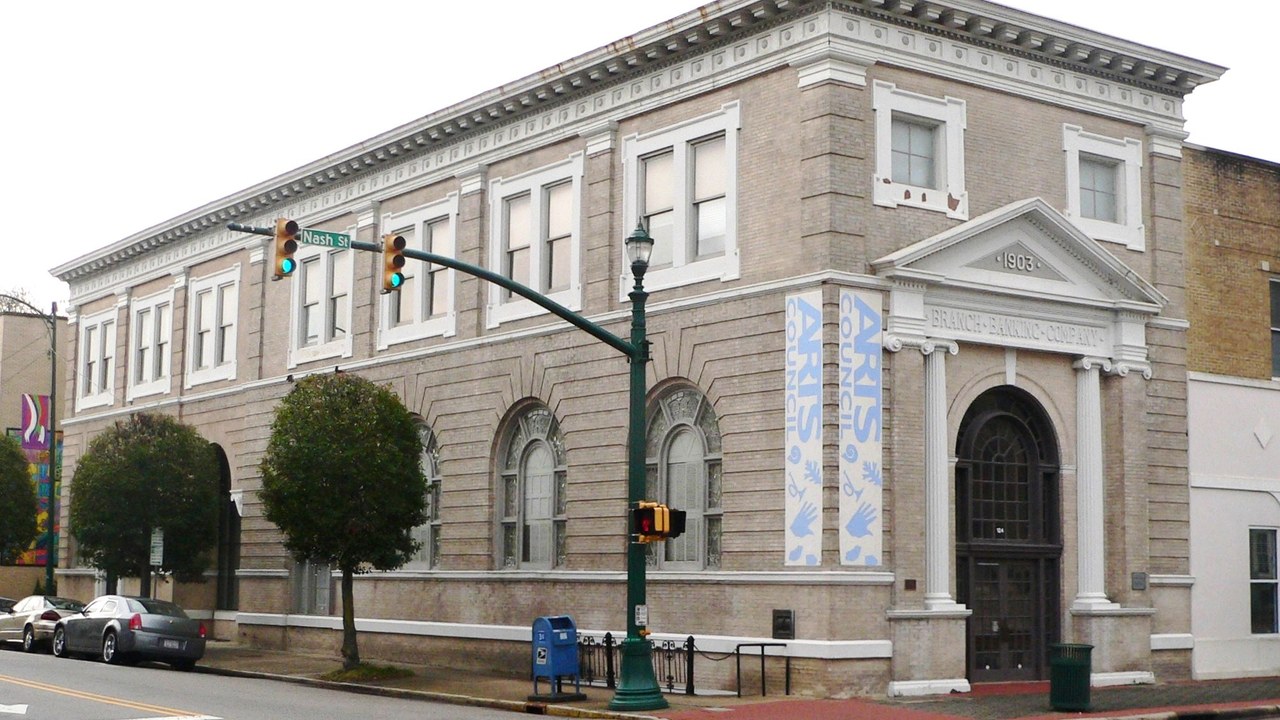
Synovus accounts and branches convert to Pinnacle in the first half of 2027
Synovus accounts and branches are due to convert to Pinnacle in the first half of 2027, according to the bank’s merger questions-and-answers page. Pinnacle says it expects system conversions in that window, “likely around the beginning of the second quarter,” and that Synovus offices will be rebranded as Pinnacle at the same time. No exact…
-
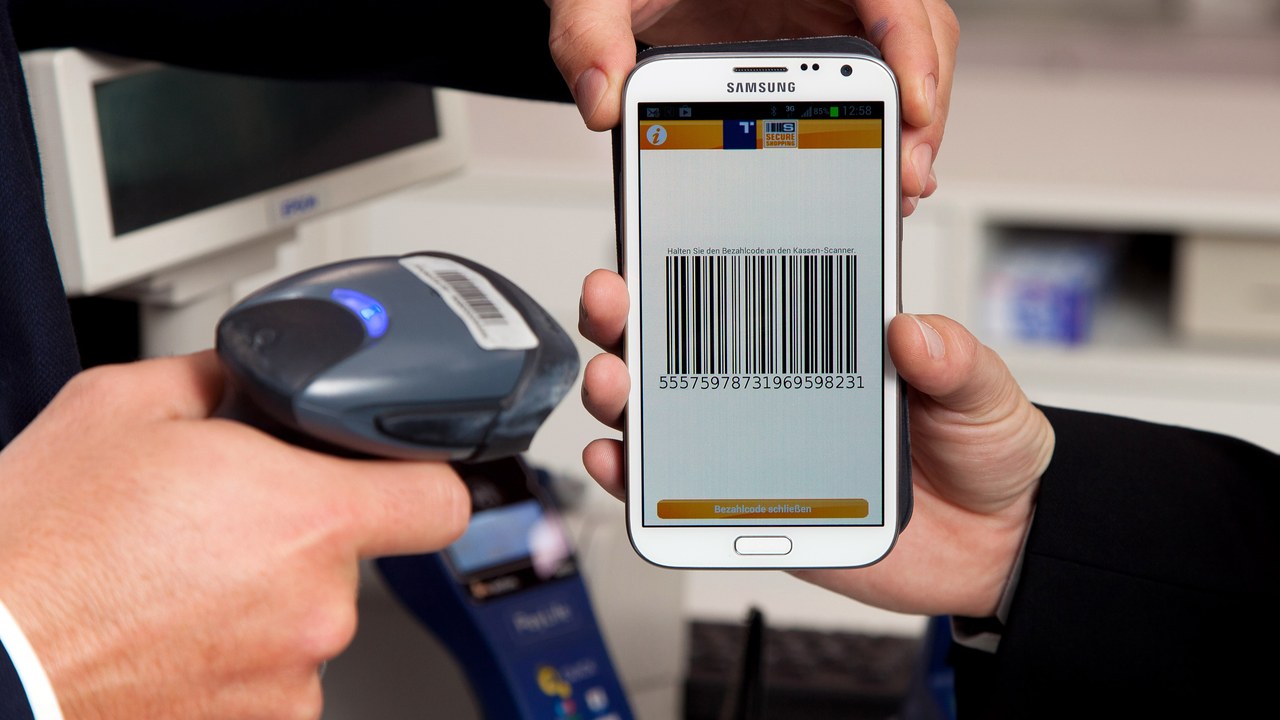
The IRS says CP53E refunds can go to prepaid cards or payment apps
A federal refund does not have to land in a checking account at a bank. For people who do not have one, the IRS says another route exists: pre-paid debit cards and mobile payment applications. The agency’s page on the CP53E notice sends readers to its ModernPayments page for those options. A CP53E is the…
-

Former Monzo U.S. customers have until December 31 to update their address to get 2026 interest tax forms, and leftover balances over $1 with no linked bank account arrived as emailed checks
Monzo, the British digital bank, has told former U.S. customers that any 2026 interest tax form will go to the mailing address it has on file, and that address changes must reach the company by December 31, 2026. All Monzo U.S. accounts were closed as of June 8, 2026, and the company now relies on…
-
Social Security deposits landing in November pay the October benefit, because the agency pays each month’s check in the month after it is due
A Social Security deposit that arrives in November pays the October benefit, not November’s. The Social Security Administration pays each month’s benefit in the month after it is due, so the money landing next month closes out October. The rule is printed in the agency’s own booklet for people on retirement and survivors benefits, and…
-
The White House says up to ten million Obamacare enrollees can now open health savings accounts
The White House says a 2025 tax law opened health savings accounts to up to ten million people who buy coverage through the Affordable Care Act marketplaces, often called Obamacare. The claim appears in a fact sheet released October 19, 2026 about women’s health. It credits the Working Families Tax Cuts Act, which the fact…
-

The IRS says families can take up to $20,000 per student a year from 529 plans for K-12 school costs in 2026 under Trump’s tax law
Families can use up to $20,000 per student per year from a 529 savings plan to pay for elementary or secondary school in 2026, according to an IRS webinar on the tax changes in President Trump’s 2025 tax law. Richard Furlong, a senior stakeholder liaison at the agency, told viewers that the maximum amount of…
-

SSI claims approved since May 4, 2026 all get an automated check of the applicant’s bank accounts, even when no account is reported, Social Security policy says
Every Supplemental Security Income claim approved on or after May 4, 2026 now gets an automated check of the applicant’s bank accounts, whether or not the applicant reports owning one. Social Security’s policy message says verification is “required regardless of the claimant’s liquid resource or FI account ownership allegations.” The step comes before the agency…
-

Social Security changes direct deposit by phone only for callers with a one-time code from ssa.gov/PIN, and its notice estimates 2,084,532 people a year drop out and use another route
Social Security will change a beneficiary’s direct deposit over the phone only after the caller gives a representative a one-time code generated at ssa.gov/PIN. The phone route opened April 28, 2025, as one of three ways to redirect a monthly payment, alongside a my Social Security account online and a visit to a local office.…