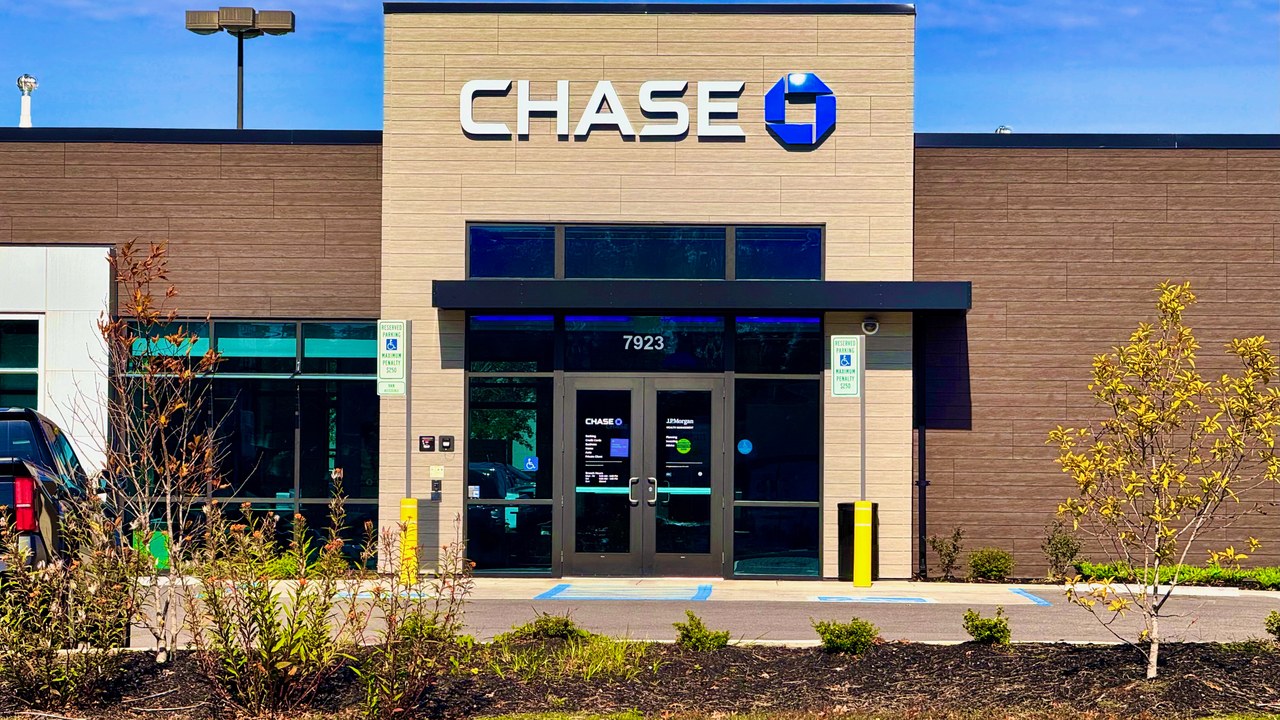
When a bank freezes an account, rejects a deposit, or shuts down a customer relationship altogether, the explanation people usually get is nothing at all — a form letter, a dead-end phone call, or a teller who says compliance rules forbid discussing it. On September 2, 2026, five federal financial regulators told banks and credit unions that excuse mostly doesn’t hold up: confidentiality rules around suspicious-activity reporting do not stop them from telling a customer that a frozen or closed account is tied to suspected fraud. The change does not force any bank to explain itself, but it removes the legal cover many institutions have leaned on for years. For anyone who has been locked out of their own paycheck with no answers, that is a real shift in leverage.
Why “we can’t tell you” became a bank’s default answer
The rule at the center of this fight is Suspicious Activity Report, or SAR, confidentiality. Banks and credit unions that suspect fraud or money laundering must file a SAR with the Treasury Department, and federal law makes it a violation to tell the person under suspicion, or almost anyone else, that a SAR exists. That secrecy exists for a real reason: tipping off a suspect can wreck an investigation, and it can put the employee who filed the report at risk.
The trouble is what happened next. Bank staff, wary of accidentally revealing a SAR, often treated the entire subject of a frozen or closed account as off-limits, even when nothing they wanted to say would have touched the SAR itself. A customer whose deposit bounced because of a suspected counterfeit check, or whose account was shut down after months of unexplained activity, would get a form letter citing internal policy instead of a real answer. The tension had been building since June 2025, when the Federal Reserve, the FDIC, and the Office of the Comptroller of the Currency opened a public comment period on ways to curb payments fraud, including check fraud. Multiple commenters told the agencies that front-line staff simply did not know where the SAR confidentiality line actually sat, so they defaulted to silence.
Free retirement updates: Want plain-English help keeping more of your money in retirement? The free Retirement Shield newsletter covers the benefits, deadlines, and money mistakes that cost retirees, a couple times a week. Subscribe free.
Five regulators just closed off that excuse
On September 2, the Federal Reserve, the FDIC, the National Credit Union Administration, the OCC, and the Treasury’s Financial Crimes Enforcement Network issued a joint statement drawing that line explicitly. The SAR itself, and any detail that would reveal one was filed, remains confidential — that has not changed. But the agencies say the underlying facts, transactions, and documents behind a SAR are a different matter entirely: the dates, dollar amounts, and parties involved in a transaction can generally be discussed with a customer, as long as the conversation stops short of confirming a report was actually filed.
The specific things a bank can now say about your frozen account
According to the text of the joint statement, banks and credit unions can, among other things, tell a customer that a delay, limitation, restriction, or closure on their account may be related to suspected fraud or other suspicious activity; tell a customer a deposit was rejected because of suspected fraud, including an altered or counterfeit check; ask a customer directly about the purpose of a transaction or the source of the funds involved; share warnings or educational material about fraud schemes, including so-called money mule scams that recruit people to move stolen funds; explain a decision to decline a transaction or close an account as a matter of policy; and ask about the sender or recipient tied to a wire or other funds transfer.
None of that requires revealing whether a SAR exists. A bank can tell a customer their account was flagged for suspected fraud without ever using the word SAR, and under the new guidance, doing so does not violate confidentiality law.
A clarification, not a mandate — and not a new right to an explanation
The agencies are careful to say what this is not. The joint statement states plainly that it does not alter existing Bank Secrecy Act legal or regulatory requirements or establish new supervisory expectations. No bank is required to explain a freeze, and examiners will not grade an institution on whether it chose to. The OCC’s bulletin to national banks on the guidance repeats that customer communication should still be handled on a case-by-case basis, with banks taking care not to cross into confirming a SAR’s existence.
The timing lines up with a broader push on so-called debanking. The joint statement cites Executive Order 14331, Guaranteeing Fair Banking for All Americans, and a pair of 2026 rules that bar the FDIC, OCC, and NCUA from pressuring banks to cut off customers over political, religious, or lawful-but-disfavored activity. The Federal Reserve’s own supervisory letter on the guidance applies to every Fed-supervised bank subject to the Bank Secrecy Act, but it changes none of the underlying law, only what examiners understand banks are free to say.
What changes for someone locked out of their own money
For a household staring at a frozen account, the practical shift is narrow but real. If a bank representative says federal law bars them from saying anything about why an account was limited or closed, that claim no longer holds up the way it used to — the SAR itself is off-limits, but the underlying activity behind it generally is not. The useful question is no longer why is my account frozen, which invites a compliance non-answer, but something closer to what the agencies now say banks can address directly: what specific transaction or activity triggered the review.
There’s no guarantee a bank will volunteer that information. The statement changes what is allowed, not what is required, and a cautious compliance department may still say little. But the five agencies’ own list of permitted disclosures, from a fraud-flagged deposit to a suspicious-activity-related account closure, is now the specific language on record that a customer can point to when asking a bank to explain itself.
This article was produced with AI assistance and reviewed by a human editor. Figures are linked to their primary sources; where a claim could not be verified from the public record, we say so.
More Financial Reading