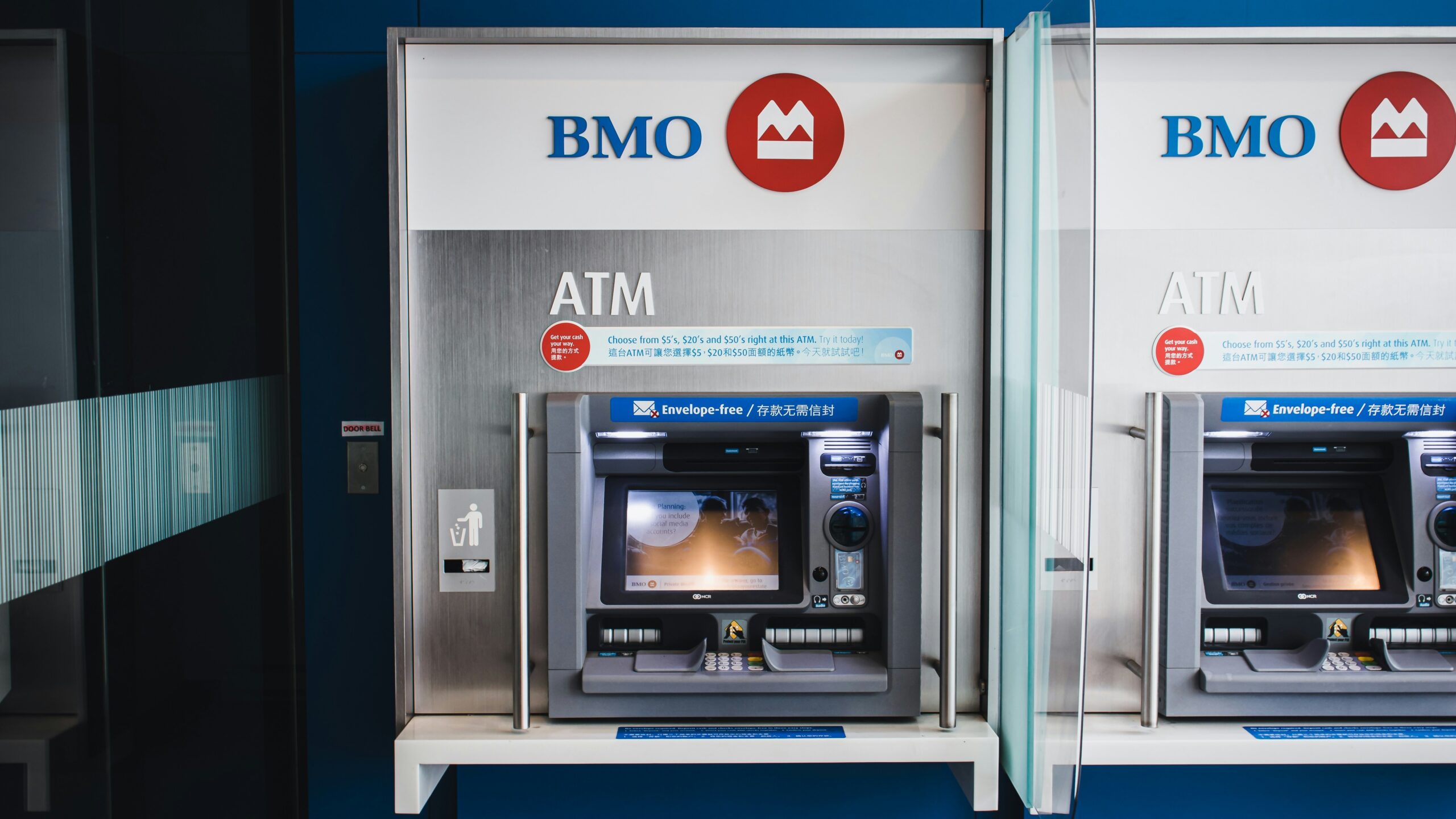
Pulling cash from an ATM that doesn’t belong to your own bank has never cost more. The average combined fee for an out-of-network withdrawal climbed to $4.86 in Bankrate’s latest annual study, and in several major cities it now tops $5 a swipe. For anyone who still keeps cash on hand for tips, a rent split or a weekend trip, that’s real money lost every time the nearest machine is the wrong one. A few withdrawals a month at the wrong machine can add up to more than $50 a year, just for the convenience of taking out your own cash.
A Record for the Third Year Running
The number isn’t a one-time spike. It’s the third consecutive year the combined average fee has set a new high, and the two charges that make it up are both moving the same direction: up. An out-of-network withdrawal typically triggers two separate fees, one from the bank that owns the machine and one from the account holder’s own bank for going outside its network, and both sides have been raising prices rather than cutting them.
Bankrate’s 2025 Checking Account and ATM Fee Study puts the average machine-owner surcharge at $3.22, up from $3.19 and a record for the fourth straight year, plus an average $1.64 charged by the account holder’s own bank, the highest that fee has been in seven years. Every ATM-owning bank in the survey said it charges non-customers, and none lowered its surcharge over the past year. In 39 percent of cases the account holder’s own bank still charges no extra fee at all, but among the banks and accounts that do, price increases outnumbered decreases eight to one this year, which is why the national average keeps climbing even where some accounts hold steady. Bankrate financial analyst Stephen Kates says the trend tracks how rarely people use ATMs at all: as cash transactions decline, the machines that remain become more expensive to maintain, which banks recoup through higher fees.
Free retirement updates: Miss an enrollment or claim deadline and it may be gone. Our free Retirement Shield newsletter keeps readers ahead of the ones that matter. Get the free newsletter.
Atlanta Costs the Most, Boston the Least
Where you live changes how much a wrong-machine withdrawal stings. Bankrate surveyed banks in 25 major metro areas, and Atlanta again came out on top, with an average combined ATM fee of $5.37 — a spot the city has held for years, with combined fees ranging between $5.33 and $5.38 since 2022. Phoenix ($5.35), San Diego ($5.31), Detroit ($5.25) and Cleveland ($5.21) round out the five most expensive markets in the survey; Miami ($5.11) and Tampa ($5.05) also rank among the ten priciest metros. At the other end, Boston averages just $4.37 and Seattle $4.42, both roughly a dollar cheaper than Atlanta for the identical transaction.
Where the Survey’s Numbers Come From
The $4.86 figure isn’t a small poll. Bankrate’s researchers surveyed 245 financial institutions across those same 25 metro markets, pulling data from 228 interest-bearing checking accounts and 221 non-interest checking accounts, along with each account’s out-of-network ATM policy. The fieldwork ran between June 2 and July 3, 2025, and the study was published that September, then last updated by Bankrate on January 31, 2026, with no newer edition replacing it since. That combination — a wide institutional sample and an annually repeated methodology — is what lets Bankrate call this year’s number a genuine record rather than a one-off. For a reader comparing banks, that scale is the difference between a marketing claim and a number worth planning a budget around.
Large ATM Networks Can Make the Fee Disappear Too
Reimbursement accounts aren’t the only fix. Bankrate’s own survey points out that several major banks maintain large enough fee-free ATM networks that customers rarely need an out-of-network machine at all: Capital One offers more than 70,000 free ATMs through its own machines plus the MoneyPass and Allpoint networks, Citibank and PNC Bank each offer more than 60,000 through similar partnerships, and Bank of America and Chase each maintain roughly 15,000 branded machines. None of that requires a specialty account or a minimum balance — it just means checking a bank’s ATM locator before assuming the nearest machine will be free.
A Few Accounts Erase the Fee Entirely
The one reliable way around the charge is banking somewhere that reimburses it. According to a separate Bankrate review of ATM fee rebates, Alliant Credit Union refunds up to $20 a month in ATM fees to Visa debit cardholders, and Ally Bank reimburses up to $10 a month. Axos Bank offers unlimited domestic ATM fee reimbursement on several checking accounts, including up to $8 a month on its Golden Checking account, which is built specifically for customers age 55 and older. Charles Schwab’s Investor Checking account reimburses ATM fees worldwide with no cap, Navy Federal Credit Union rebates up to $10 per statement cycle for members with a qualifying military household connection, TD Bank waives the charge on its Beyond Checking account once a balance of $2,500 is maintained, and EverBank refunds up to $15 a month, or an unlimited amount once a balance reaches $5,000 or more.
None of that changes what happens at a machine that doesn’t offer reimbursement. Bankrate has tracked this fee since 1998, and by its own accounting, $4.86 is the highest average it has recorded in that entire span — which means the safest assumption at an unfamiliar ATM is that the fee is real, and it isn’t shrinking.
This article was produced with AI assistance and reviewed by a human editor. Figures are linked to their primary sources; where a claim could not be verified from the public record, we say so.
More Financial Reading