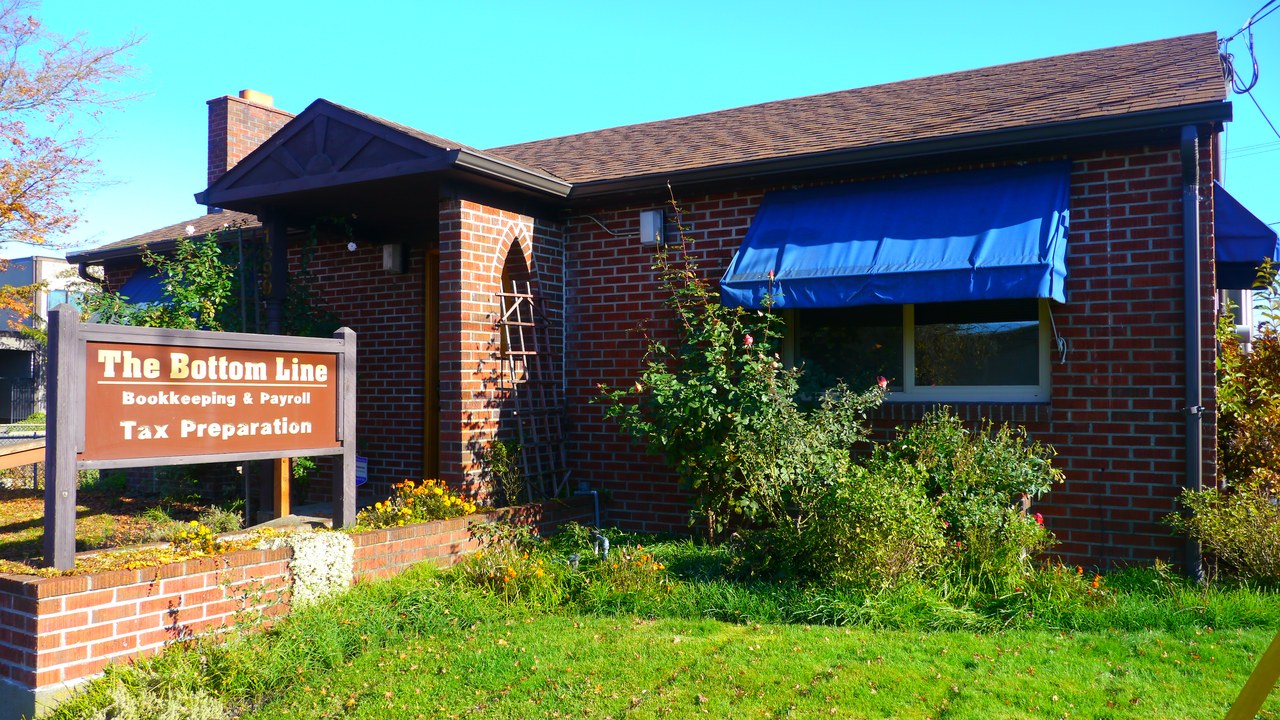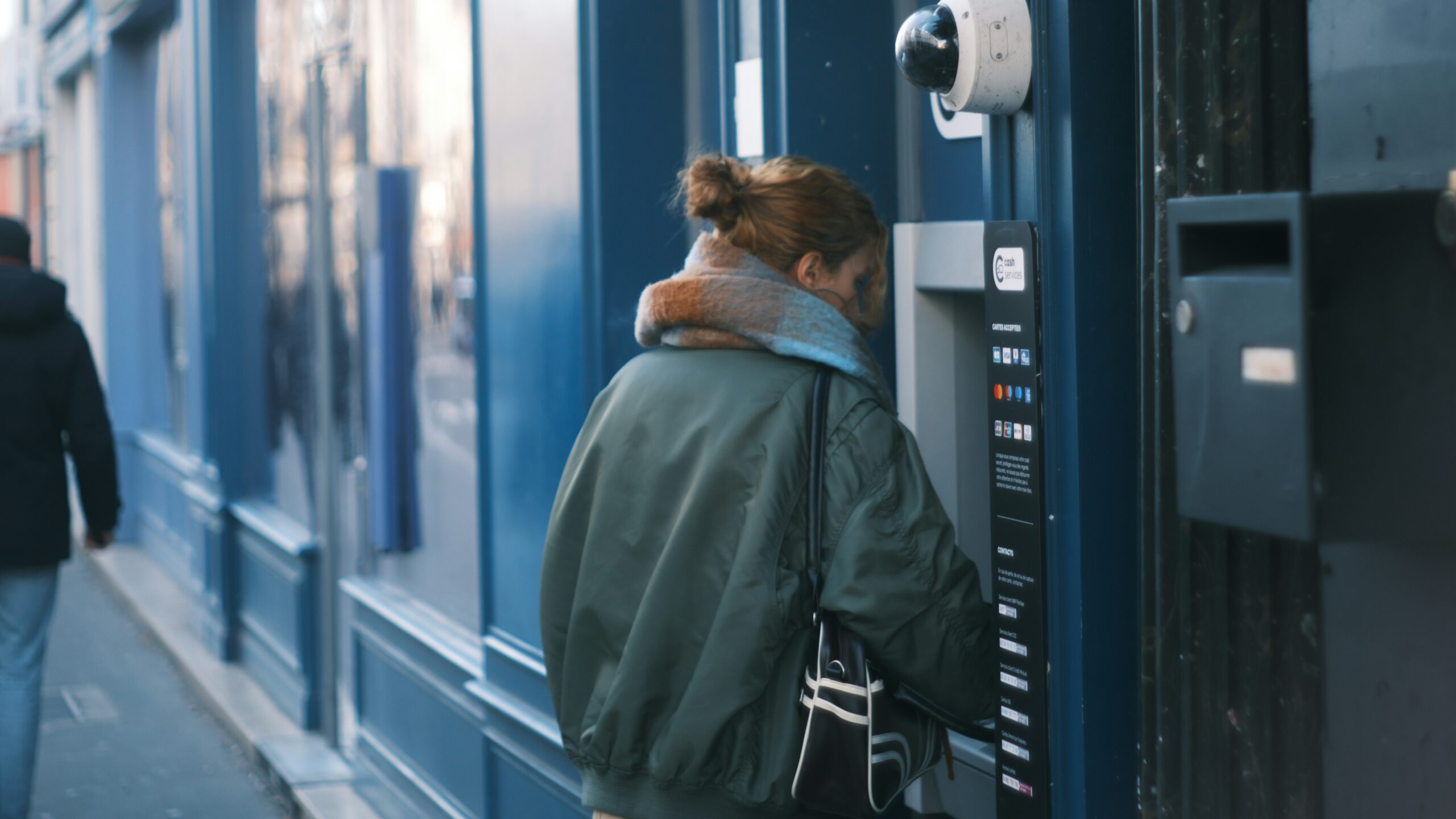
Pull $40 out of the wrong machine and you can pay two separate fees for the privilege — one to the company that owns the ATM, and another to your own bank for going outside its network. Do that once a week and you’ve paid a meaningful chunk of your cash withdrawals in fees by year’s end, for a service that’s completely free one block away.
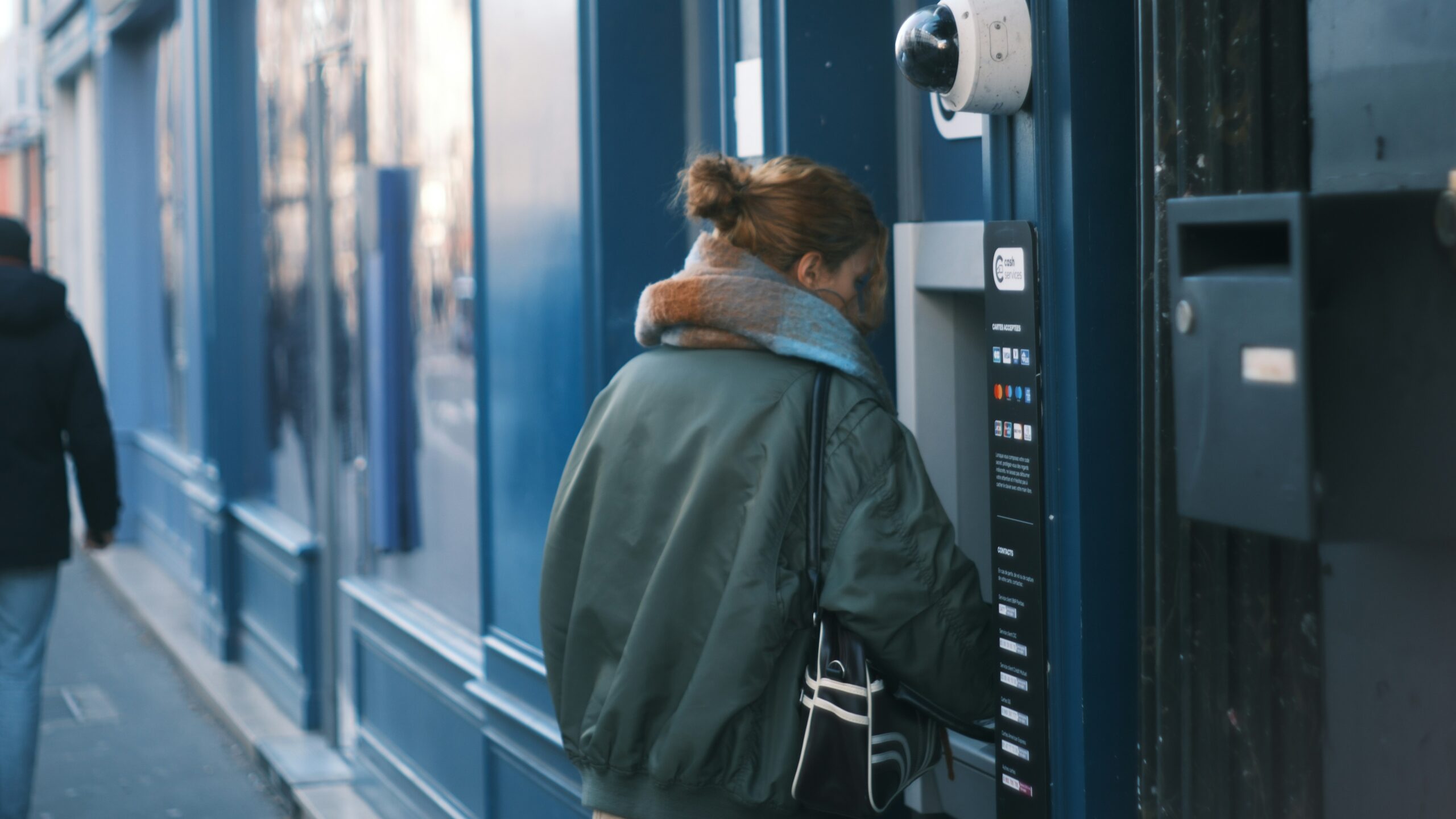
ATM fees are one of the few bank charges you can realistically get to zero without changing much about your life. The key is understanding that “the ATM fee” is actually two different fees, disclosed in two different places, and each one has its own escape hatch.
Fee one: the machine owner’s surcharge
The first fee belongs to whoever operates the ATM — a bank, a convenience-store vending company, a casino. It’s a surcharge added on the spot for using their machine. Exact amounts vary by operator and location; we’re not quoting a national average here because the widely cited figures come from private industry surveys rather than a government source, but stand-alone machines in bars, gas stations, and tourist spots are reliably the most expensive.
You never have to pay this fee blind. Under the federal rules implementing the Electronic Fund Transfer Act, an ATM operator that charges a fee must disclose it on the screen (or on a posted notice) before you commit to the transaction, and you must be given the chance to cancel without being charged. The Consumer Financial Protection Bureau’s Regulation E, section 1005.16 spells this out, and the CFPB has reminded consumers to check the screen for ATM fees and walk away when the number is ugly. That cancel button is your first line of defense — use it.
Fee two: your own bank’s out-of-network charge
The second fee comes from your own bank or credit union, for using an ATM outside its network. It shows up later on your statement, which is why people often don’t connect it to the withdrawal. This one isn’t disclosed on the ATM screen — it lives in your account’s fee schedule, the document you got when you opened the account (and can always find on your bank’s website).
Not every institution charges it, and some accounts waive it or even reimburse the other side’s surcharge. If you don’t know what your account does, that fee schedule is a five-minute read that answers it, as the CFPB notes in its guide to avoiding ATM fees.
Six ways to get to zero
1. Use your bank’s locator, not your eyes. Every bank’s app has an ATM finder that shows in-network machines. In-network withdrawals are free at virtually every institution. The habit that costs money is grabbing whatever machine is closest instead of the free one two minutes away.
2. Get cash back at the register. Many grocery stores, pharmacies, and big-box retailers let you add cash back to a debit-card purchase, usually at no charge — the CFPB lists this as one of the simplest fee-avoiders. Buying a $3 item to withdraw $40 free beats paying two fees at a lobby ATM.
3. Check whether your bank belongs to a surcharge-free network. Many banks, and especially credit unions and online banks, join shared networks that give their customers free access to tens of thousands of machines in stores and pharmacies nationwide. The machines don’t carry your bank’s logo, which is why people never realize they can use them. Your bank’s website will name the network and link a locator.
4. If you’re at a credit union, look for shared branching. Credit unions cooperate in ways big banks don’t; many participate in networks that let members use other credit unions’ ATMs and even tellers. Ask yours.
5. Consider an account that reimburses fees. Some checking accounts — commonly at online banks — refund out-of-network ATM fees up to a monthly cap. If your cash habits can’t change (your job pays in cash, your area has no in-network machines), switching the account is easier than fighting the map. The FDIC’s #GetBanked resources are a good starting point for comparing low-cost accounts.
6. Withdraw less often, in larger amounts. If a fee is truly unavoidable, one $200 withdrawal beats five $40 ones. A flat fee shrinks as a percentage of the cash you take.
A note on “free” ATMs that aren’t
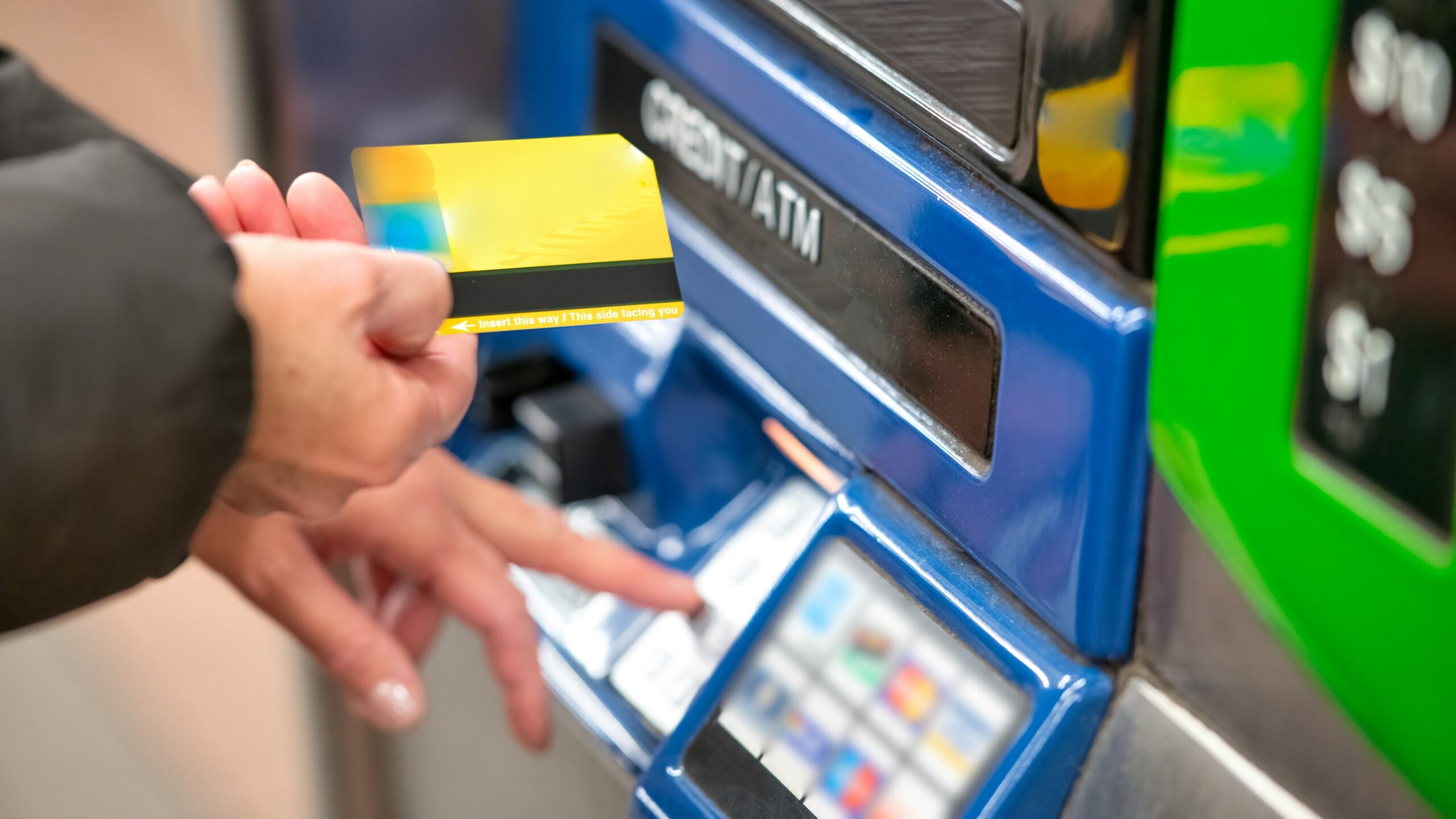
Watch for two traps. First, some stand-alone machines advertise “no surcharge” but your own bank’s out-of-network fee still applies — the machine owner can only speak for its own side. Second, dynamic currency tricks and balance-inquiry fees: on some machines, even checking your balance triggers a charge. Decline anything the screen offers beyond the withdrawal itself.
The bottom line
ATM fees survive on friction, not necessity. The surcharge must be shown on screen before you’re charged, your bank’s fee is printed in its fee schedule, and between in-network locators, register cash back, and surcharge-free networks, almost everyone has a free path to their own money. Find yours once, and the fee line on your statement should read zero from here on.
This article was produced with AI assistance and reviewed by a human editor. Figures are linked to their primary sources; where a claim could not be verified from the public record, we say so.