
Category: Rule Changes
-
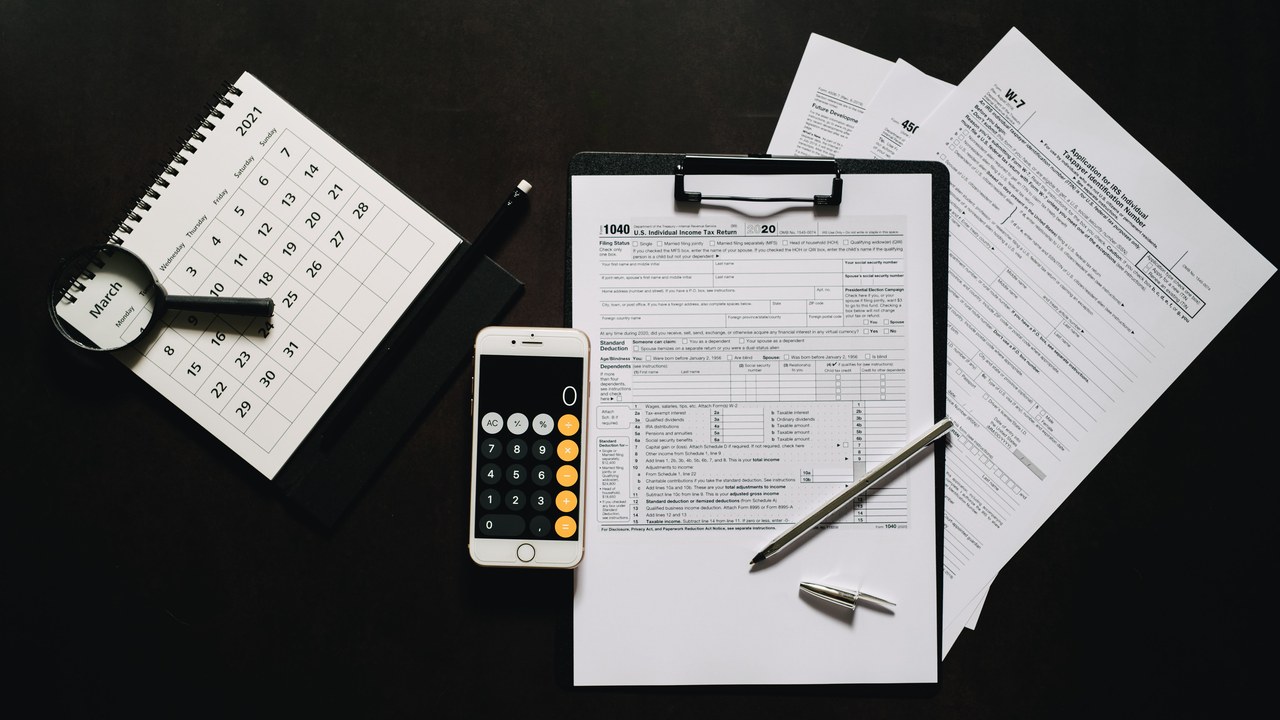
Super Typhoon Sinlaku victims on Saipan, Tinian, Rota and the Northern Islands have until November 2 to file and pay federal taxes, including payroll returns due October 31
Taxpayers hit by Super Typhoon Sinlaku in the Northern Mariana Islands have until Monday, November 2, 2026, to file and pay a range of federal taxes. That is one week from today. The IRS says the relief covers the islands of Saipan, Tinian, Rota and the Northern Islands, and it reaches payroll returns that were…
-
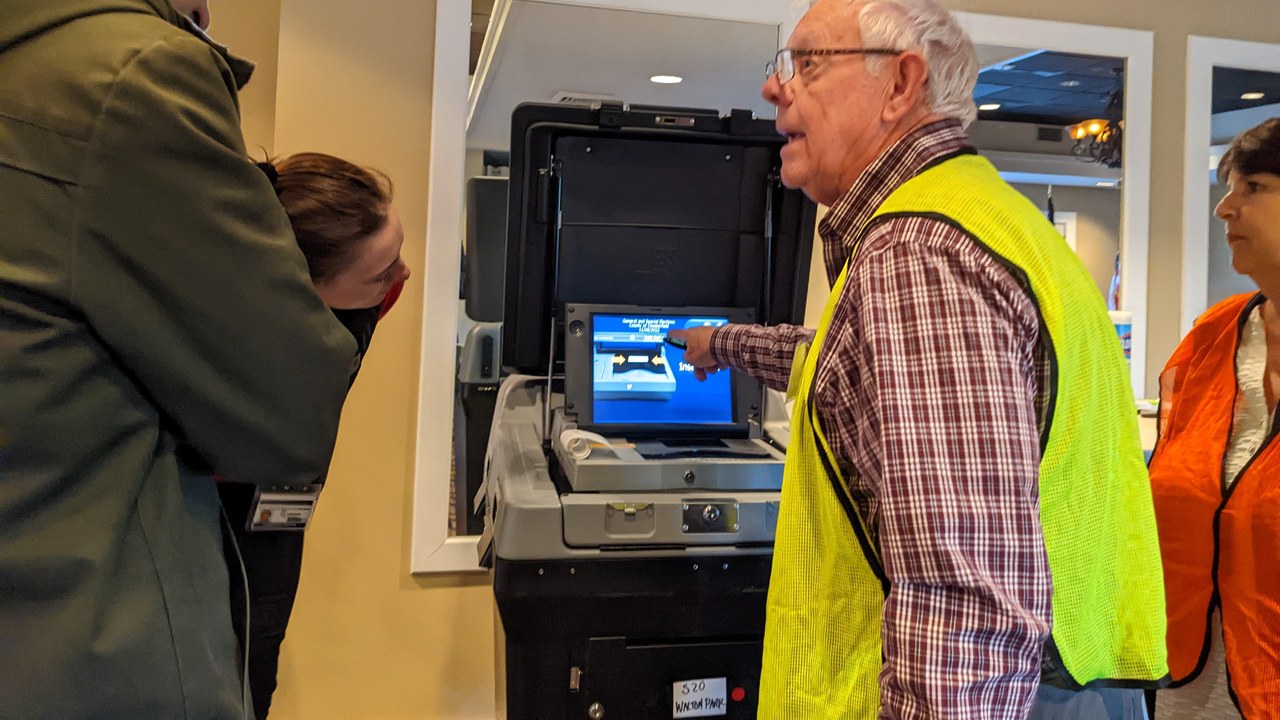
Poll workers paid $2,700 or more in 2027 owe Social Security and Medicare taxes
Poll workers and other election staff paid $2,700 or more in 2027 owe Social Security and Medicare taxes on that pay. The Social Security Administration set the 2027 threshold for election officials and election workers at $2,700 in its annual determinations notice, which is scheduled to appear in the Federal Register on Oct. 26. The…
-
Pierce County homeowners 61 and older or disabled with household income up to $64,000 can freeze their home’s taxable value under the senior exemption
Homeowners in Pierce County, Washington, who are 61 or older or disabled can freeze their home’s taxable value if household income is $64,000 or less. The Pierce County Assessor-Treasurer runs the senior exemption, and its page now carries the 2026 application forms. People in the lower income tiers also get relief from part of the…
-

Illinois homeowners 65 and older with incomes up to $77,000 can put off as much as $7,500 a year in property taxes for tax year 2026
Illinois has raised the income ceiling for its property tax deferral program for older homeowners, and for tax year 2026 the limit is $77,000 in household income. Eligible homeowners who are 65 or older can put off as much as $7,500 a year in property taxes, or 80 percent of the home’s equity, whichever is…
-

Syracuse homeowners 64 and older earning under $58,400 must return senior exemption renewal forms before January 1 or lose their 2027-28 property tax cut
Syracuse homeowners who are 64 or older and already get a senior exemption have to send in renewal paperwork before January 1, 2027, to keep the reduction for the 2027-28 property tax year. The City of Syracuse Department of Assessment set that cutoff in an announcement dated August 5, 2026. The income line is $58,400…
-

Illinois froze its scheduled motor fuel tax increase only through December 31
Illinois drivers are paying a motor fuel tax that was held steady by a six-month pause, and the pause ends on December 31, 2026. Public Act 104-0468, signed June 16, 2026, suspended the increase that was scheduled to take effect July 1, according to the Illinois Department of Revenue. The rates in force through December…
-
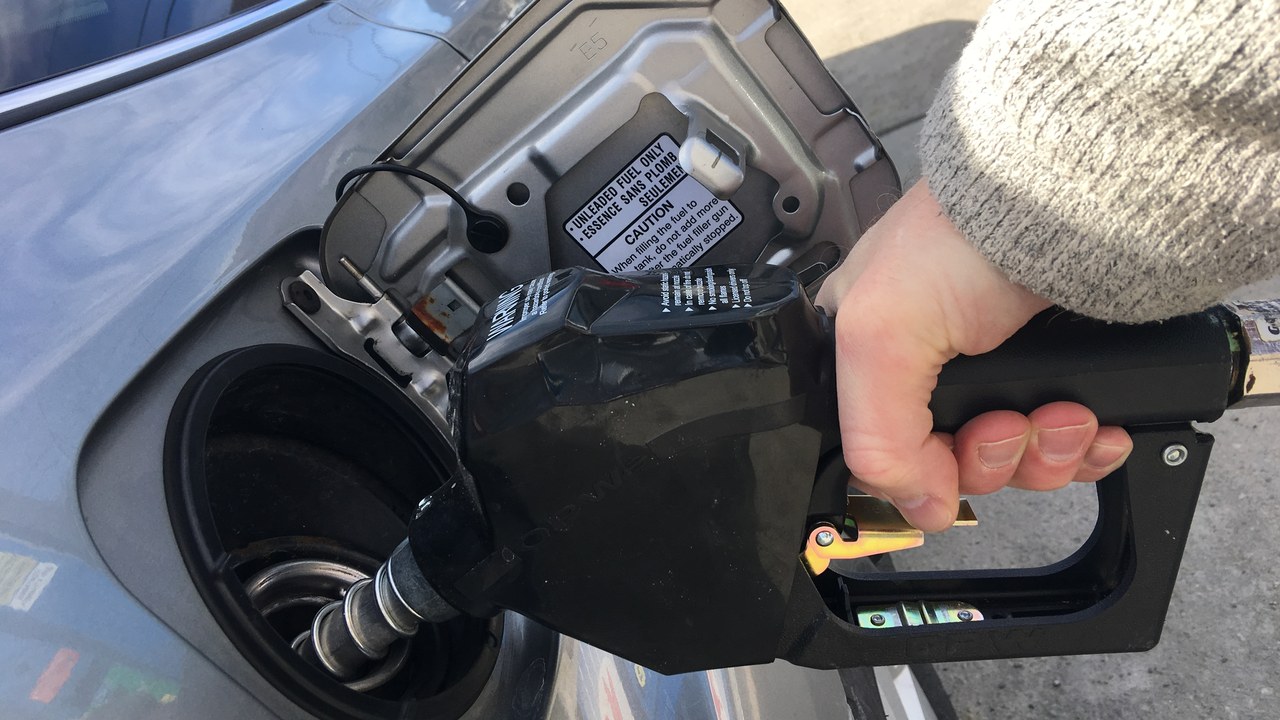
Indiana’s suspended gas tax of about 61 cents a gallon runs through November 4
Indiana drivers are not paying the state’s gasoline excise and sales taxes, about 61 cents a gallon combined, through Wednesday, November 4. Gov. Mike Braun renewed the suspension on September 30 for 30 days, according to the Indiana Capital Chronicle. Braun said he will review the orders before they expire on November 4 and may…
-

The IRS lets most farmers and fishermen skip 2026 estimated tax payments by filing and paying in full by March 1, 2027
Farmers and fishermen get a choice that most self-employed workers do not: skip the quarterly estimated tax payments for 2026 and settle everything at filing time. The IRS explains the rule in its 2026 Form 1040-ES. A filer who sends the 2026 Form 1040 or 1040-SR by Monday, March 1, 2027, and pays the total…
-

IRS gives typhoon-hit Guam taxpayers until February 4, 2027 to file and pay
Taxpayers in Guam now have until Thursday, February 4, 2027, to file and pay a wide range of federal taxes that came due after Super Typhoon Bavi struck the territory. The IRS announced the postponement on October 14, 2026, in release GU-2026-01. The relief follows the federal disaster declaration number 4946-DR, which covers Guam. The…
-
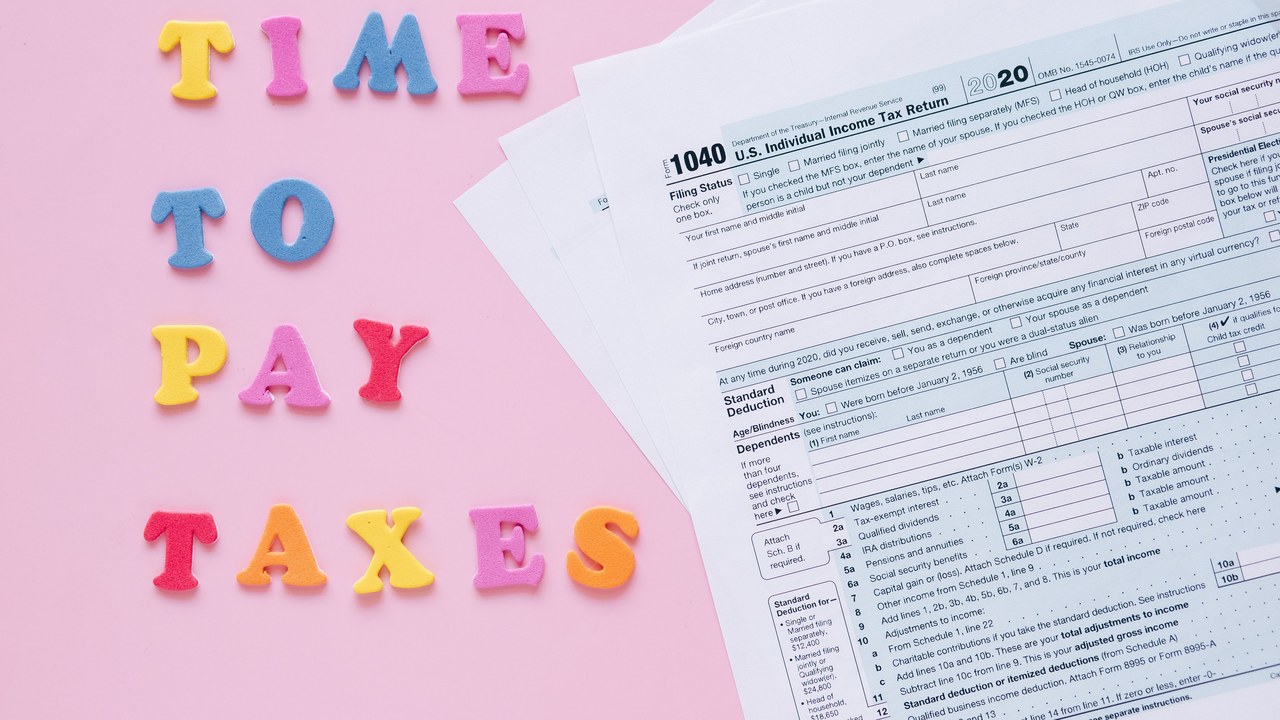
The IRS says people paying quarterly estimated taxes owe the final 2026 installment by January 15, 2027, unless they file and pay in full by February 1, 2027
The fourth and final estimated tax payment for 2026 is due Friday, January 15, 2027. The IRS says so in its 2026 Form 1040-ES, the booklet and vouchers used by people who pay tax during the year instead of through a paycheck. The same form carves out an exception: anyone who files a 2026 return…