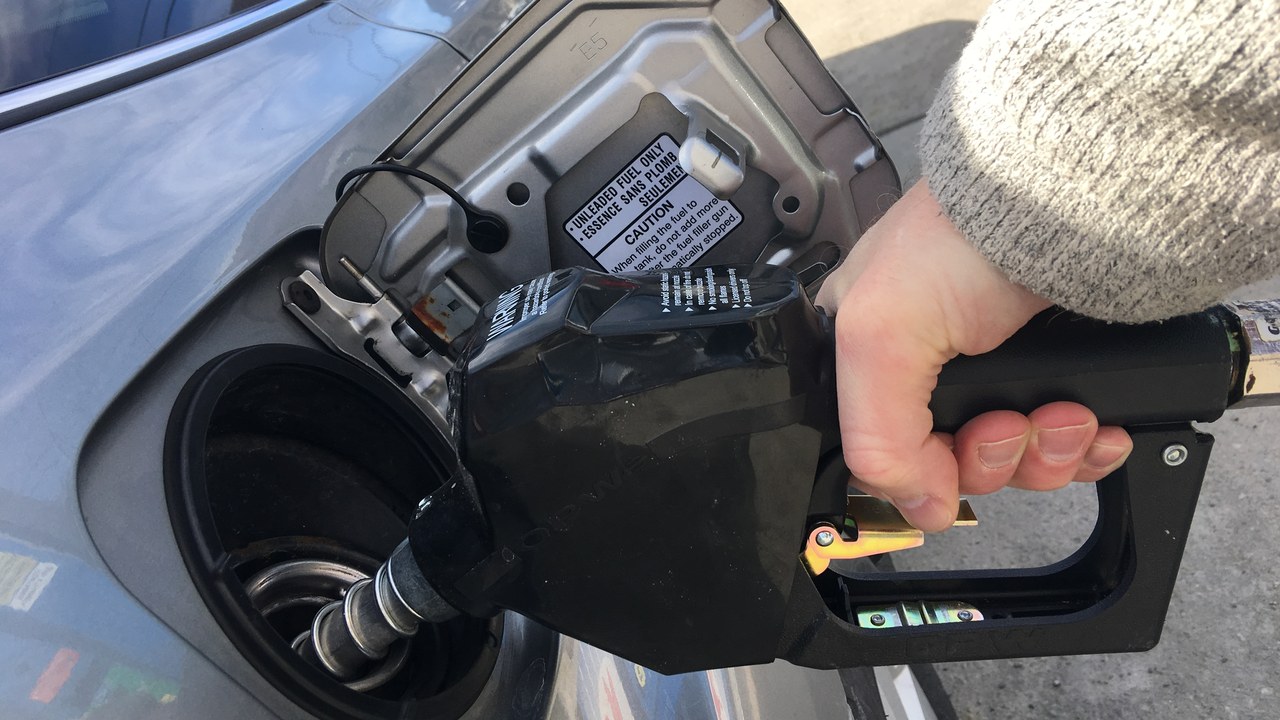
Indiana drivers are not paying the state’s gasoline excise and sales taxes, about 61 cents a gallon combined, through Wednesday, November 4. Gov. Mike Braun renewed the suspension on September 30 for 30 days, according to the Indiana Capital Chronicle.
Braun said he will review the orders before they expire on November 4 and may renew them one more time, for 30 days through December 4. That date is the final suspension the law allows under the state’s current energy emergency.
For drivers, the question is what to set up before the tax comes back. If nothing changes after December 4, pump prices in Indiana would rise by roughly the amount of the two taxes, and Braun suggested he is unlikely to declare a third energy emergency to extend the break further. A household that budgets around a gas price near today’s has about six weeks to find other savings in its monthly bills.
Retirement deadlines, in your inbox: Miss an enrollment or claim deadline and the money can be gone. The Retirement Money Brief keeps you ahead of the ones that matter, every weekday.
Get the Retirement Money Brief →
We may earn a commission from links on this page.
How Indiana got to a 61-cent suspension
Braun first suspended the state’s sales tax on gasoline in April, then extended the suspension the next month and added the state excise tax, the Capital Chronicle reported on October 8. That report estimated Hoosier drivers are saving about 60 cents a gallon.
The September 30 story puts the combined figure at about 61 cents a gallon and does not break out the excise and sales portions. It also says Braun is paying for the break out of the $2 billion of extra reserves the state created in one year.
What the final renewal would cost the state
The October 8 report says total savings to drivers would reach $1.1 billion if Braun renews the order in early November for a “final 30 days.” That is the scale of what is at stake for the state budget.
At his September 30 announcement, Braun said, “Affordability is my top priority,” and described the suspensions as immediate tax relief that left Indiana with some of the cheapest gas in America. House Democratic Leader Phil GiaQuinta supported the move but called it “small, temporary relief.”
Diesel is taxed at 63 cents a gallon
The suspension covers gasoline only. Indiana’s diesel tax is 63 cents a gallon and remains in force. Diesel averaged a record $6.92 a gallon in Indiana in September, according to the Capital Chronicle.
A separate order lifts restrictions on untaxed, dyed off-road diesel for farmers and timber harvesters for 30 days. It covers trucks on public roads, including semi-trucks hauling crops and pickups with dual uses. Off-road diesel is normally limited to equipment such as tractors and bulldozers, and its combined tax savings are about 87 cents a gallon. The Department of Revenue estimates the order will cost $1 million to $3 million a month.
More than 50 state legislators had written to Braun that week asking him to lift the off-road diesel limits, because farmers had not seen relief at the pump from the gasoline suspension. House Speaker Todd Huston praised the order, and an Indiana Farm Bureau spokesperson said it would help farmers who rely on off-road equipment during harvest.
Who else is cutting fuel taxes?
Indiana is not alone. The October 8 report lists Georgia, where Gov. Brian Kemp acted by executive order, Ohio, where lawmakers approved a 90-day gas tax holiday, and Utah, which approved a 15 percent temporary reduction earlier this year. Ten states, Indiana among them, have also loosened red-dyed diesel restrictions by governor order.
Misusing dyed fuel carries penalties in Indiana: a $200 fine for a first offense, $2,500 for a second, and possible felony charges for later ones, with IRS penalties starting at $1,000.
What happens after December 4?
Asked whether he would declare a third energy emergency to extend the suspensions past December 4, Braun hinted he likely will not take formal action. He said he might work with lawmakers to change the tax structure next session, and lawmakers return in January for their budget-writing session.
That leaves a gap of about a month between the last possible expiration on December 4 and the January return of lawmakers, and the state has not announced any plan for it. The only dates Braun has confirmed are November 4 and the possible final renewal to December 4.
Gas tax back in December and winter bills coming?
The 61-cent break is set to end by December 4 at the latest, just as winter heating bills arrive. Households that have counted on the lower pump price may find the gap shows up in the same month.
The Senior Property Tax & Home-Cost Relief Kit does not cover the gas tax. It turns to the bills nearer the house: it includes heating, cooling and home-repair help for older homeowners and an application log and renewal calendar, with a yearly routine for what to apply for and when.
Get the heating-help kit and renewal calendar before the Indiana gas tax returns →
More Financial Reading
- 21 Ways to Stretch a $2,087 Social Security Check
- 15 Places to Find Your Share of the $4.25 Billion States Give Back
- 15 Ways Out of 22% Credit Card Interest
This article was produced with AI assistance and edited for accuracy against the sources linked above.