Your phone rings for the third time before lunch — same collection agency, same debt. Then a text arrives, then a Facebook message request from a name you don’t recognize. Somewhere in the barrage you wonder: is any of this even legal? The answer has been written down since federal debt-collection rules were modernized in 2021, and it’s more protective than most people getting the calls realize.

The Consumer Financial Protection Bureau’s debt collection rule — Regulation F, which took effect November 30, 2021 — translated the 1977 Fair Debt Collection Practices Act into the age of smartphones. It caps calls, forces an opt-out onto every text and email, bans public social media posts about your debt, and requires collectors to hand you a detailed accounting before they push you to pay. Here’s what collectors can and can’t do now — and where the limits stop.
First, know who these rules cover
The FDCPA and Regulation F apply to third-party debt collectors — collection agencies, debt buyers, and collection law firms pursuing personal (not business) debts. They generally do not bind the original creditor collecting its own accounts, though other laws and many state statutes fill part of that gap. So the rules below kick in hardest at the moment your defaulted card, medical bill, or loan gets sent to an agency.
The seven-in-seven call limit
The signature provision is a call cap. Under the rule, a collector is presumed to violate federal law if it calls you about a particular debt more than seven times within seven consecutive days, or within seven days after actually speaking with you about that debt. Once you’ve had a conversation, the phone is supposed to go quiet for a week unless you invite a call sooner. The CFPB lays this out in its plain-language explainer on the rule, and the fine print lives in its Debt Collection Rule FAQs.
Two caveats keep this from being a cure-all. The limit runs per debt — if three old accounts are in collection, each carries its own allowance, which is how a phone can still ring a dozen-plus times a week without a violation. And attempts count whether or not you answer: missed calls and voicemails all tick the meter. The old rules still ride along too: no calls before 8 a.m. or after 9 p.m. your time, and no calls at work if you’ve said your employer doesn’t allow them.
Texts, emails, and social media: allowed, but on a leash
Regulation F made it official that collectors may text, email, and send private social media messages. Every leash on that permission favors you. Each text and email must include a clear, simple way to opt out of that channel — and once you reply “stop,” the collector has to stop using it. Social media contact must be private: no public posts, no comments your friends can see, and the collector must identify itself as a debt collector in the private message. Contacting your relatives, neighbors, or coworkers about the debt remains off-limits, as it has been since 1977; a collector may ask a third party only for your address or phone number, essentially once, and can’t reveal that you owe anything.
Voicemail got its own invention: the “limited-content message,” a tightly scripted voicemail that names the collector and asks you to call back without mentioning any debt — so a roommate playing your messages learns nothing.
The validation notice: your paperwork before their pressure
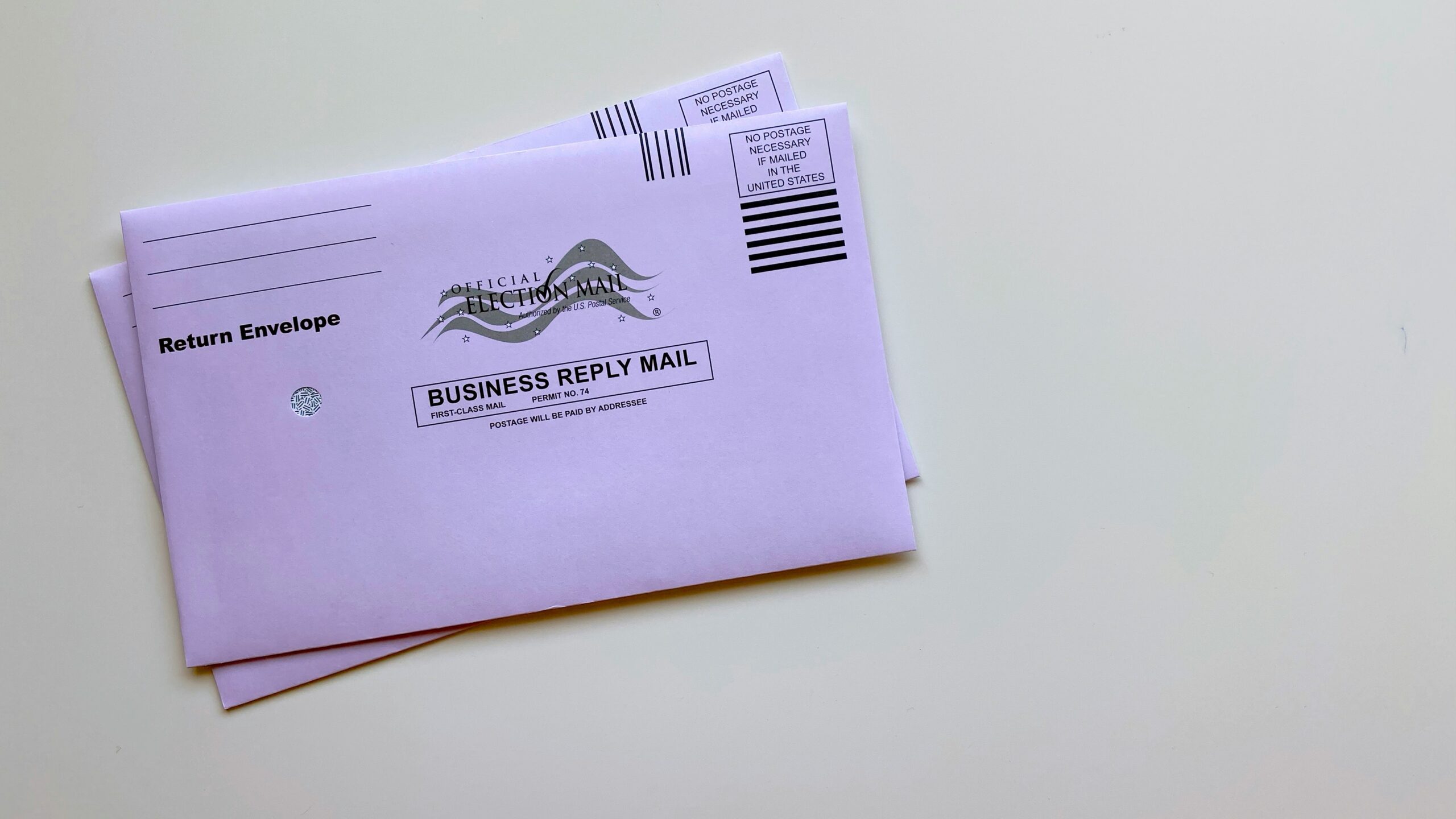
Either in its first communication or within five days after, a collector must send a validation notice: an itemized accounting showing the current balance, the creditor, how interest and fees changed the number, and tear-off prompts for disputing the debt. You then have a 30-day window in which a written dispute freezes collection until the collector mails verification. Use it whenever the debt looks inflated, unfamiliar, or simply old — debt buyers work from thin spreadsheets, and “prove it” is a legitimate, powerful request. The CFPB’s debt collection hub has sample letters for disputes and for telling a collector how — or whether — to contact you.
That last right deserves its own sentence: you can tell a collector, in writing, to stop contacting you entirely, and with narrow exceptions (confirming there’ll be no further contact, or notifying you of a lawsuit) it must comply. Stopping the calls doesn’t erase a valid debt — the collector can still sue within the statute of limitations — but the harassment channel closes.
What still isn’t allowed, rule or no rule
None of the 2021 modernization touched the core bans: no threats, profanity, or lies; no claiming to be a lawyer or government agent; no threatening arrest (there’s no debtors’ prison); no inflating the amount; no telling your boss or posting your business publicly. A collector who sues you on a time-barred debt, or tricks you into restarting the clock on one, is on the wrong side of federal law.
If a collector crosses any line here, document it — dates, times, screenshots, voicemails — and file a complaint with the CFPB at consumerfinance.gov/complaint; complaints get forwarded to the company for a response, and patterns feed enforcement. Your state attorney general takes them too. The FDCPA also lets you sue individually, with statutory damages and attorney’s fees available — which is why a shoebox of evidence is worth keeping even when you genuinely owe the money.
Owing a debt costs you the balance. It does not cost you the right to a quiet dinner, a private Facebook page, and a truthful, itemized bill. Know the caps, use the opt-outs, and put disputes in writing — the rules only work for the people who invoke them.
This article was produced with AI assistance and reviewed by a human editor. Figures are linked to their primary sources; where a claim could not be verified from the public record, we say so.