
Category: CDs & Yields
-
A one-year Treasury bill is paying 3.93 percent while a ten-year pays 4.77
The federal government is currently paying savers almost a full percentage point more to lend it money for ten years than it is paying them to lend it money for one year. A one-year Treasury bill sold at a yield of 3.93 percent as of September 3, while a ten-year Treasury note yielded 4.77 percent…
-

Three Federal Reserve officials voted at the last meeting to raise rates
The Federal Reserve’s rate-setting committee met on July 28 and 29, and when the vote was counted, nine officials chose to leave the federal funds rate alone. Three did not agree, and they didn’t want a cut — they wanted the Fed to raise rates. That split matters more than it sounds like it should,…
-
The FDIC says the average one-year CD pays 1.71 percent, far under the 5.65 percent ceiling
The Federal Deposit Insurance Corporation refreshed its monthly rate benchmark on August 17, and the gap it revealed is a familiar one for anyone who hasn’t shopped around lately. The national average one-year certificate of deposit currently pays 1.71 percent, while the regulatory ceiling for that same product sits at 5.65 percent — more than…
-
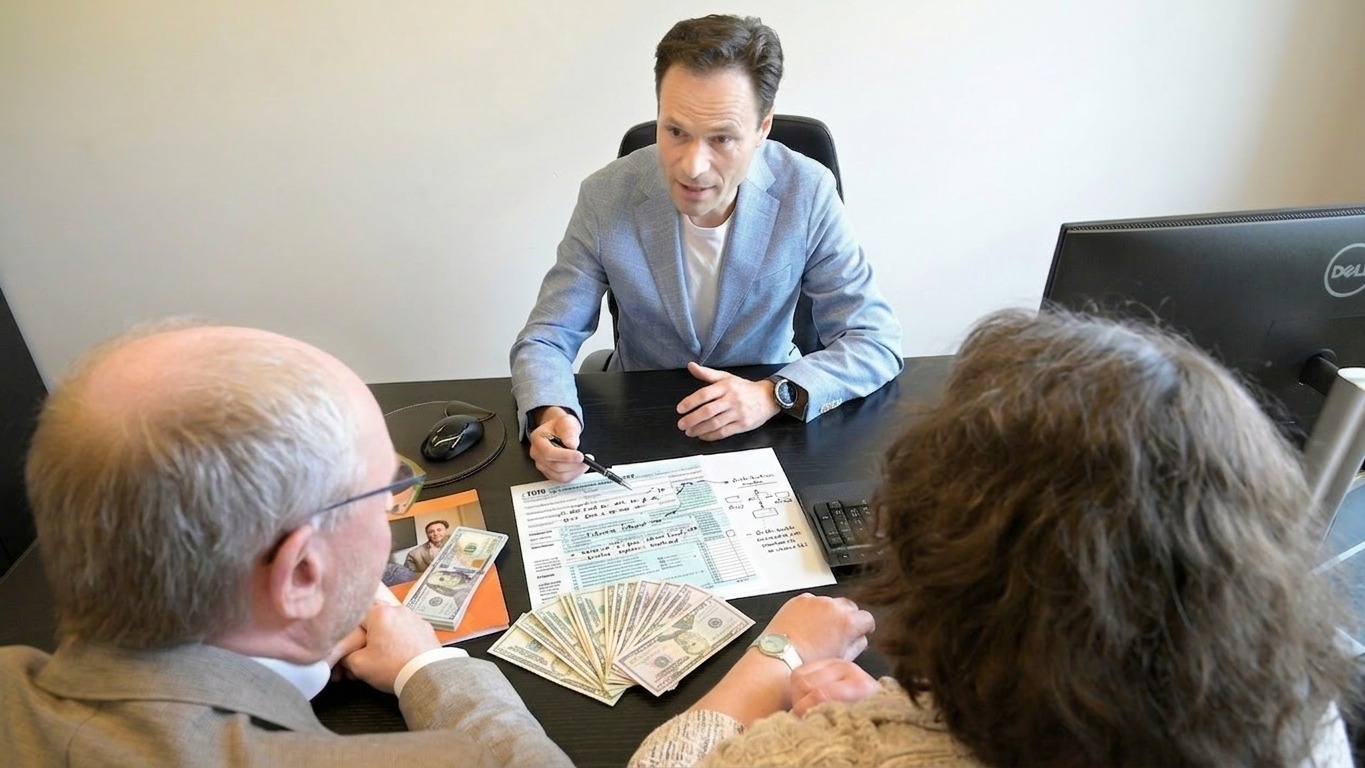
A certificate of deposit locks your rate, but cashing out early usually costs months of interest
A certificate of deposit is one of the most predictable products a bank offers, and that predictability is exactly what trips people up. The deal is simple on the surface: lock the money away for a set time and the bank guarantees a fixed interest rate. What many savers underestimate is the cost of breaking…
-
Locking a CD near 4% now can protect your yield if the Fed cuts rates in September
Savers have spent the past two years enjoying certificates of deposit that finally pay something real, with the best one-year CDs sitting right around 4 percent. That window may not stay open forever. The Federal Reserve meets in mid-September, and if it decides to lower its benchmark rate, the yields banks advertise on new CDs…
-
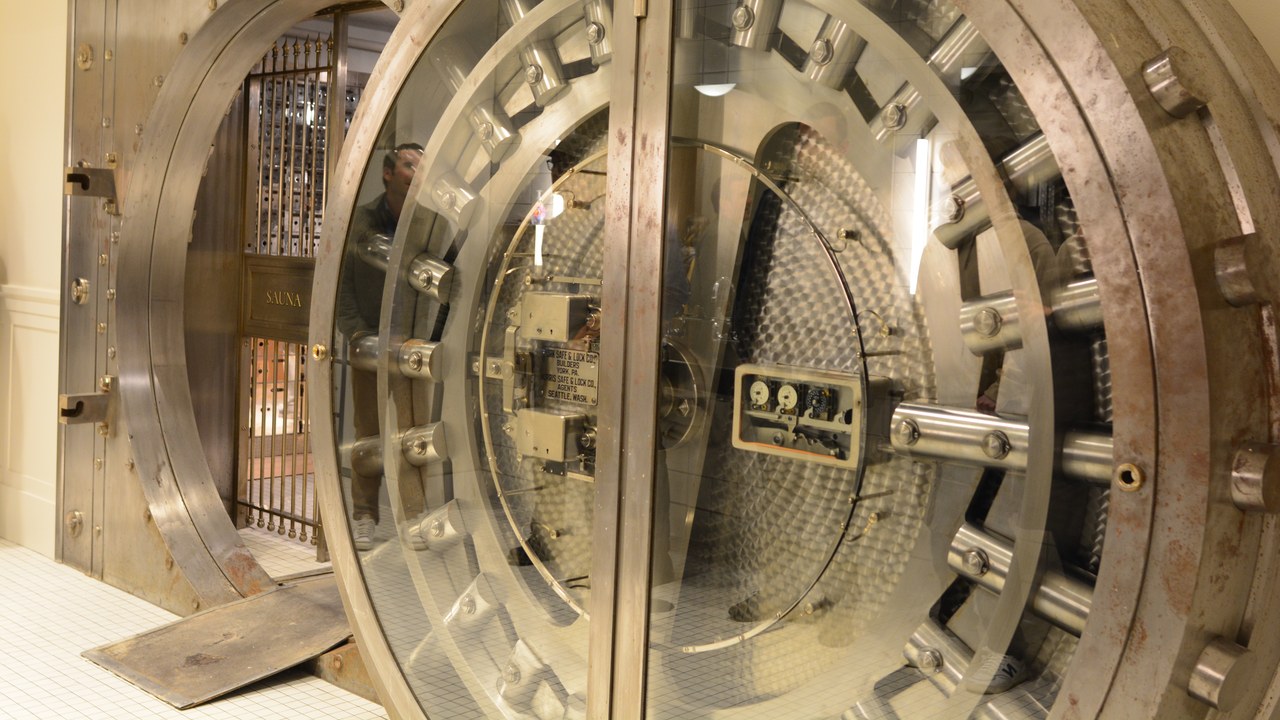
The average American savings account pays 0.38 percent, while a one-year CD pays 1.71
The average savings account at an American bank pays 0.38 percent a year. A one-year certificate of deposit across the same universe of institutions pays 1.71 percent, roughly four and a half times as much. Both figures come from the same federal table, published the same morning, and the distance between them is the whole…
-
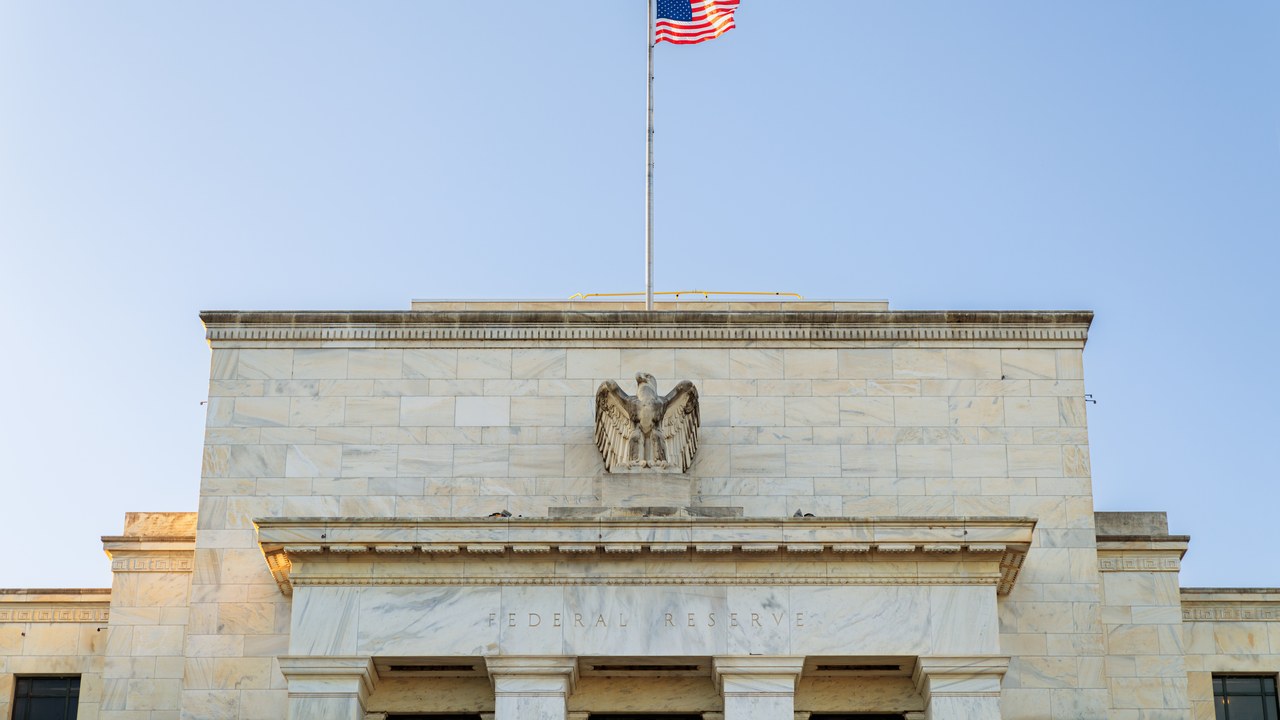
The Fed may raise rates in September, but top CDs already pay about 4.5%
For most of the past year the story on interest rates was that they were heading down, and savers were told to lock in yields before they fell. The picture has shifted. After cutting rates late in 2025, the Federal Reserve has held steady through 2026, and with inflation and oil prices climbing again, markets…
-
Some banks are quietly cutting savings rates, so locking a one-year CD near 4.4% now can protect your yield
The best savings rates in years have been quietly slipping, and the accounts paying them are usually the ones that let you walk away anytime. That flexibility is nice until the rate drops out from under you. For savers who do not need every dollar liquid, locking part of a cushion into a one-year certificate…
-

The average savings account pays 0.38% while the best CDs still top 4%, a gap quietly draining savers
Two savers can hold the exact same $10,000 and earn wildly different amounts on it, and the only difference is where the money sits. The typical savings account in America pays a rate so low it barely registers, while the best certificates of deposit still pay more than ten times as much. That spread is…
-

Capital One’s old 360 Savings once paid 0.30% against 4.35% next door, and on August 4 the rates finally matched
For households following Capital One’s legacy savings account finally received the rate treatment at the center of its lawsuit, the key issue is where the money moves and which official record controls. The latest primary record supplies a concrete answer about Capital One’s legacy savings account finally received the rate treatment at the center of…
