You need to send money to another person’s bank account. Your banking app offers three doors: a wire transfer, Zelle, or a plain bank-to-bank transfer. One can cost as much as a dinner out, one is free and instant, and one is free but slow — and they carry very different protections if something goes wrong.
Picking the right door is a five-minute decision that can save you real money and, in the worst case, save you from a loss no one will reimburse. Here’s how the three actually work, what each costs, and when each one is the right call.
The three rails, in plain English
A wire transfer moves money electronically from one bank account to another, one transaction at a time, typically over the Federal Reserve’s Fedwire Funds Service for domestic transfers. Each wire settles individually and immediately — once it’s done, the money has finally and irrevocably moved.
ACH — the automated clearinghouse — is the workhorse network behind direct deposit, automatic bill pay, and the “transfer to external account” button in your banking app. ACH payments travel in batches, which is why they usually take one to three business days, and why they’re cheap: processing millions of payments together costs pennies each.
Zelle is different from both: it’s a person-to-person service offered through thousands of banks and credit unions. You send to an email address or phone number, the recipient typically sees the money within minutes, and the banks settle up behind the scenes. Functionally, it’s cash that travels by text message — fast, convenient, and hard to un-send.
What each one costs
Wires are the expensive option. Banks charge a flat fee for each outgoing domestic wire, and many charge a smaller fee to receive one; international wires generally cost more still. The exact amounts vary bank to bank and account to account — some premium checking accounts waive them entirely — so the authoritative answer is always your bank’s published fee schedule, not a national average. What’s consistent is the structure: a fixed fee per transfer, which makes a wire wildly uneconomical for small amounts and barely noticeable on a six-figure home closing.
Zelle charges nothing at the network level, and participating banks and credit unions generally offer it free — though it’s worth confirming yours doesn’t add a fee. Standard ACH transfers between your own accounts, or push payments to another person’s account, are free at most institutions; where fees show up is in expedited options, such as same-day delivery.
Speed and finality: the trade nobody explains
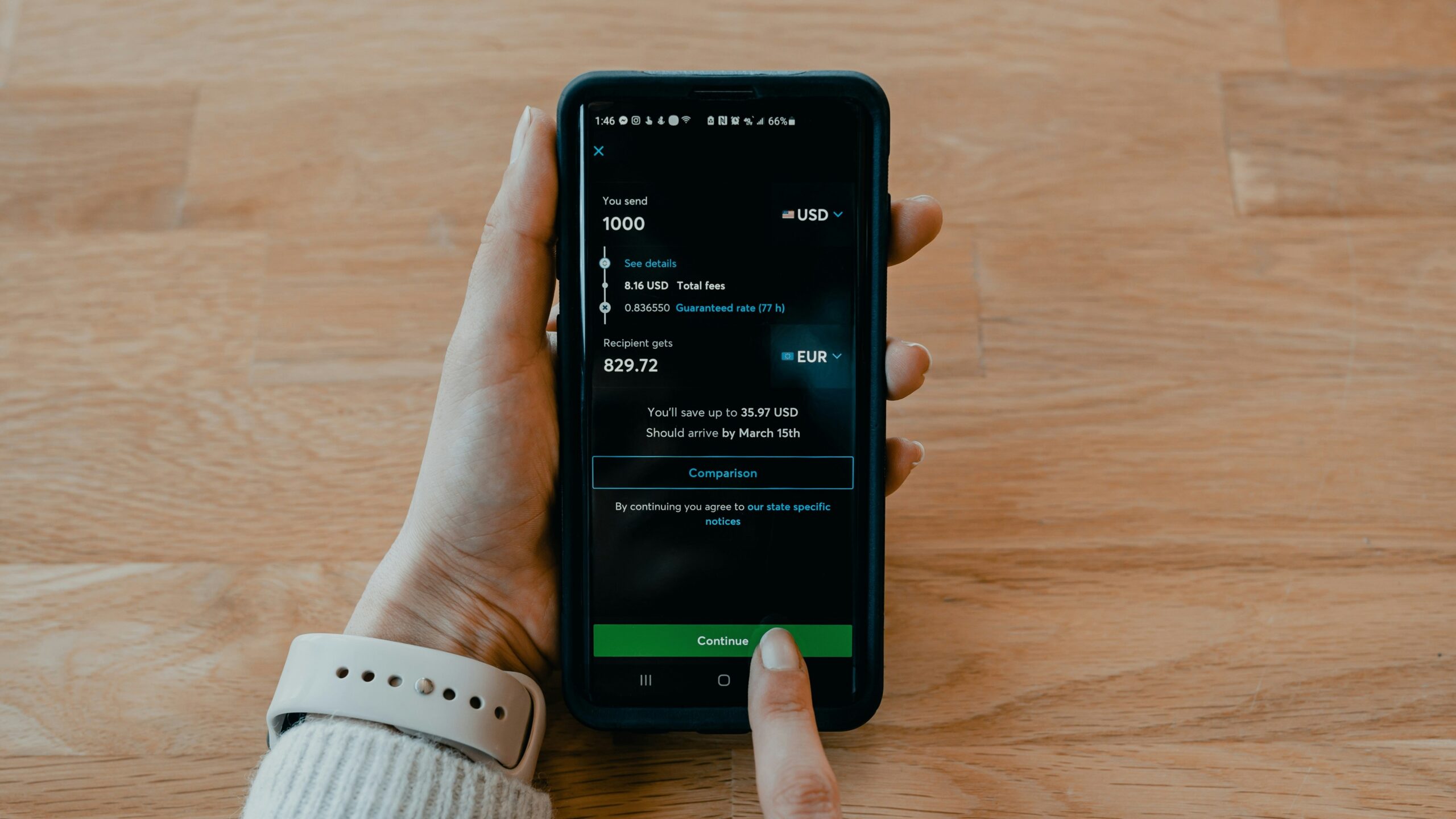
Speed and reversibility travel together, in opposite directions. A wire is same-day and final — good when a title company needs certain funds, terrible if you wired a scammer. ACH is slower precisely because it’s a batch system, but that structure also means payments can be returned in defined situations, such as an unauthorized debit. Zelle lands in minutes and, like a wire, is effectively gone once sent: if you fat-finger a phone number and the money reaches a stranger’s account, getting it back depends on that stranger’s cooperation and your bank’s goodwill.
The rule of thumb: match the finality to the trust. Final, irreversible rails are for people and institutions you’ve verified through a channel you initiated — not for anyone who contacted you first.
Fraud protections are not the same
This is the part worth remembering long after the fees. Federal Regulation E — the rule that requires your bank to investigate and reimburse unauthorized electronic transfers from consumer accounts — covers ACH and Zelle-type payments, but excludes consumer wire transfers sent over systems like Fedwire. If a criminal gets into your account and sends money without your knowledge, the CFPB’s electronic fund transfer guidance is clear that unauthorized transfers covered by Regulation E must be reimbursed — and that includes payments initiated by a fraudster using stolen login credentials.
The painful gap: payments you were tricked into authorizing yourself. If a scammer convinces you to send a Zelle payment or a wire, you approved the transaction, and reimbursement is far from guaranteed. That’s why “wire the money today or lose the deal” is the signature sound of a scam.
International wires get one extra layer: transfers of more than $15 sent abroad through a remittance transfer provider come with federal remittance-transfer rights — upfront disclosure of fees and exchange rates, a cancellation window of at least 30 minutes, and error-resolution procedures.
Which door for which job
Closing on a house, or any six-figure transfer where the other side requires guaranteed funds: wire, because finality is the point — but call the recipient at a number you looked up yourself to verify the account details, since wiring to a fraudster’s account is close to unrecoverable. Rent to a landlord you know, or splitting dinner: Zelle, free and instant, among people you trust. Moving money between your own accounts, funding a savings account, paying a contractor who can wait a couple of days: ACH, free and reversible enough.
And one blanket rule that outranks the rest: anyone who contacts you unprompted and insists on a wire or an instant payment app — a “bank investigator,” a sweepstakes, a grandchild in trouble, an online seller — is telling you which rail makes their theft permanent. The fee schedule doesn’t matter at that point. Hang up and dial your bank from the number on your card.
This article was produced with AI assistance and reviewed by a human editor. Figures are linked to their primary sources; where a claim could not be verified from the public record, we say so.