
Category: Saving & Banking
-
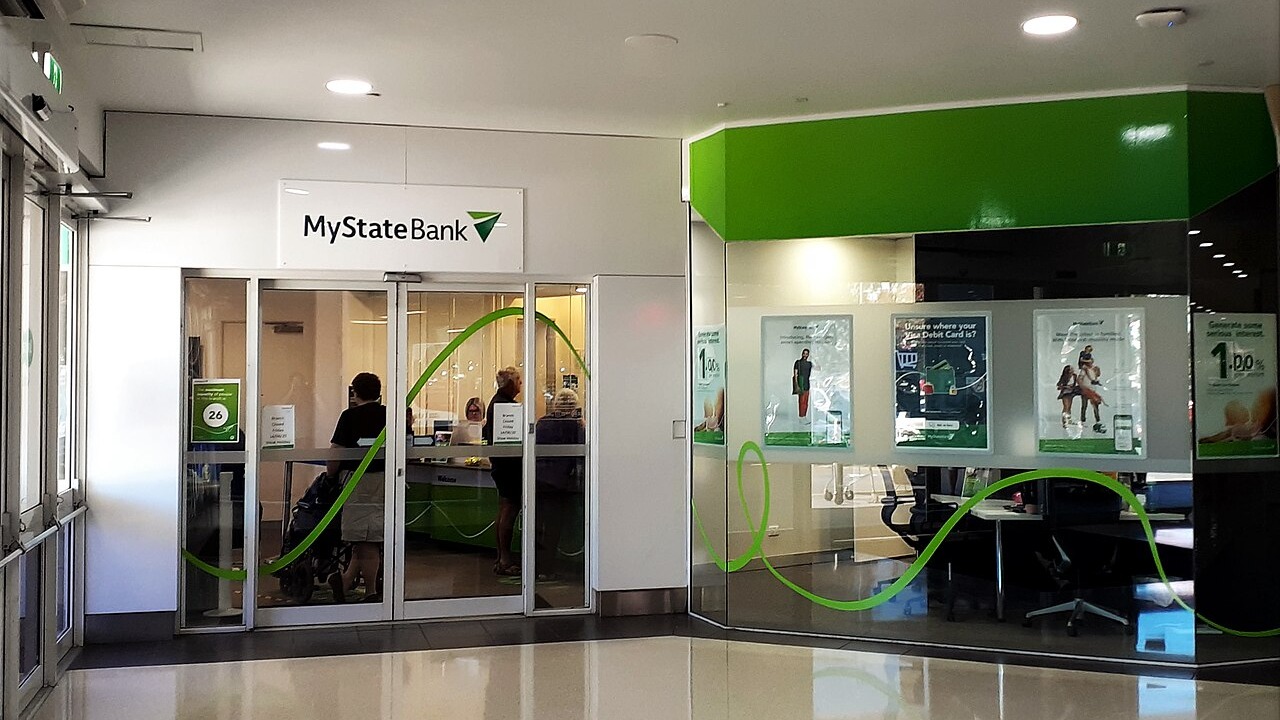
Four U.S. banks have failed in 2026, two of them in one July week
The notice a bank failure generates in the Federal Register is addressed to creditors and lawyers, not to the people who kept a checking account there. That division is the design. At every American bank placed in federal receivership this year, the cost of the failure was routed to the federal Deposit Insurance Fund rather…
-

Federal credit unions can now charge fees your state law used to cap
For decades, two layers of law sat on top of what a credit union charged for an account. A federal layer set the outer boundaries, and a state legislature could tighten certain charges further. As of the end of June, for federally chartered credit unions, only one of those layers still operates. A National Credit…
-

Significant credit-card rate or fee changes generally require 45 days’ advance notice
A credit-card issuer generally cannot make a significant account-term change effective tomorrow without warning. Federal rules usually require at least 45 days’ advance notice for major changes such as certain interest-rate or fee increases, a higher minimum payment, or changes to a grace period or interest calculation. The word “generally” is essential. Rewards changes, properly…
-

Denied a checking account based on a report? You can request a free copy of the report the bank used
A bank’s refusal to open a checking account can come from a specialty consumer report rather than the familiar credit score people usually watch. When the bank relied on that report, the denial notice should identify the reporting company, and the applicant can request a free copy of the report that was used. That copy…
-

A credit-card error disputed in writing within 60 days triggers federal protections.
A wrong charge on a credit-card statement is more than an annoyance when it affects the balance, minimum payment or available credit. Federal billing-error rules provide a formal process, but the strongest protections depend on a written notice sent on time and to the right address. The 60-day clock starts with the statement The key…
-
I bonds pay 4.26% through October 31, with a $10,000 annual purchase limit.
Series I savings bonds are offering a government-backed way to earn an inflation-linked return without watching a market price move every day. The current terms can be useful for money that will not be needed soon, but the rate, purchase ceiling and withdrawal rules all matter before a household moves cash. What the 4.26% rate…
-

What a 650 Credit Score Costs You on a Car Loan
A 650 credit score lands you in “near prime” territory with auto lenders. Here is what that costs in real dollars, and how to shrink the gap.
-

Opting Out of Overdraft: What Changes at the Register
Federal rules make debit-card overdraft coverage opt-in, not automatic. Here is what actually happens at the register when you say no, and how to check your status.
-

CD Ladders for Beginners: How the Rungs Work
A CD ladder splits your savings across staggered maturity dates, so money comes free every year while most of it earns longer-term rates. The mechanics, step by step.
-

How to Switch Banks Without Missing a Bill
Switching banks goes wrong when an autopay hits a closed account. The CFPB’s order of operations: open new, move deposits, move payments, then close.