
Category: Saving & Banking
-

High-yield savings accounts still pay near 4% while many big banks pay almost nothing
Two savers can keep the exact same $10,000 in a savings account at two different banks and end the year hundreds of dollars apart. The difference is not luck or risk. It is entirely the interest rate on the account, and right now the gap between the best-paying banks and the biggest-name banks is enormous.…
-
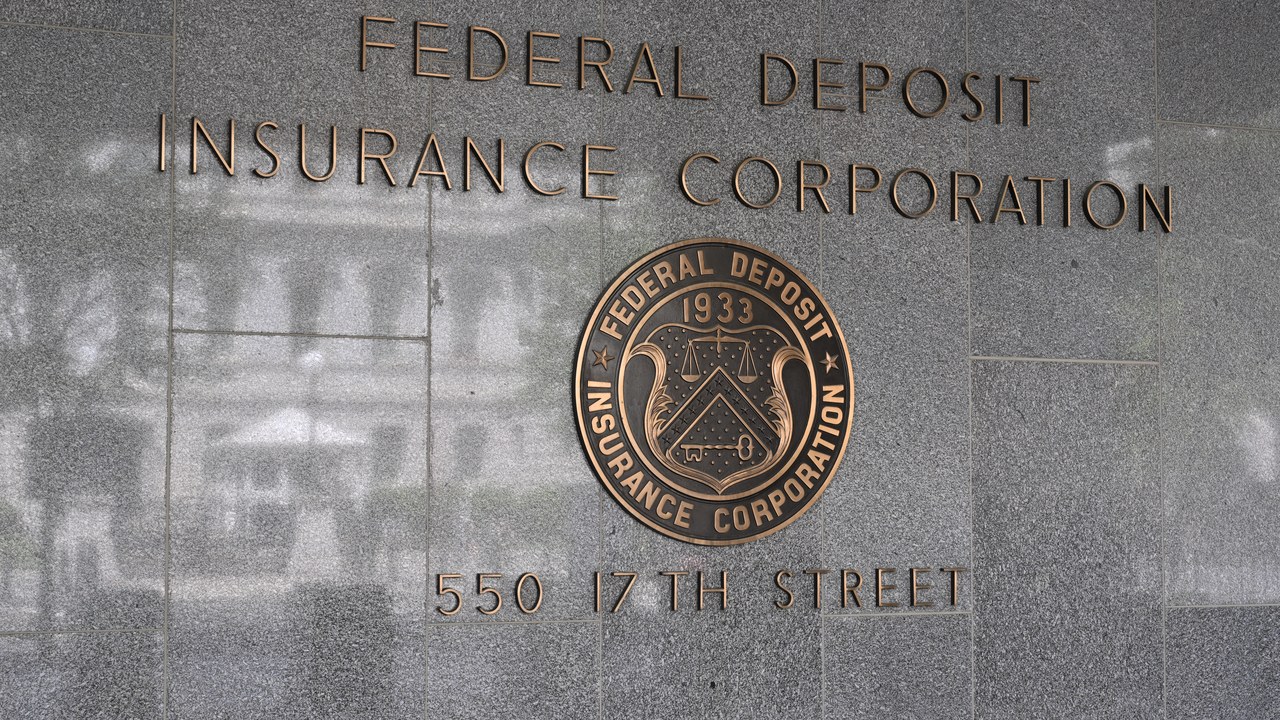
When a bank fails, the FDIC moves your insured money to the buyer automatically
The word “bank failure” sounds like a customer’s money vanishing overnight, and for generations before federal deposit insurance that fear was justified. Today the reality is far less dramatic. When an insured bank collapses, the government has a well-worn playbook that keeps ordinary depositors whole, usually without them lifting a finger. Insured money is moved,…
-
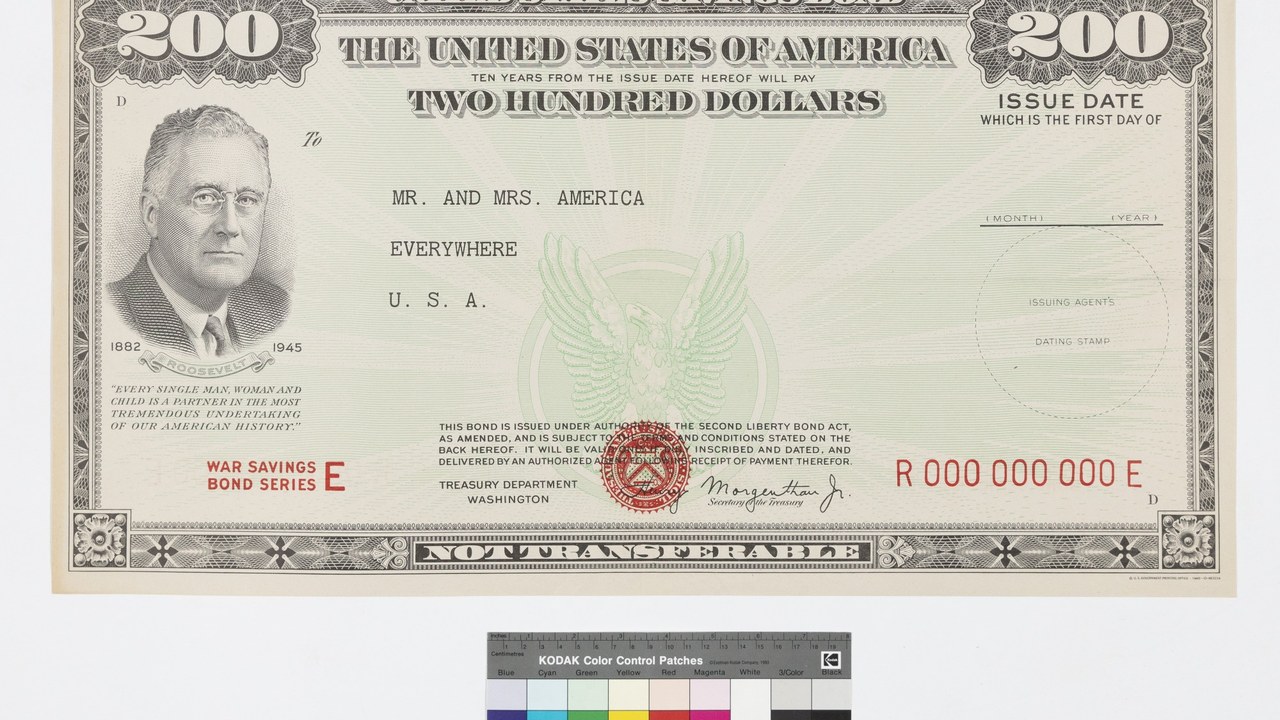
U.S. savings bonds stop earning after 30 years, so cash the ones you forgot
Somewhere in millions of American households, a savings bond bought decades ago for a birth, a graduation, or a retirement is sitting in a drawer doing absolutely nothing. That is not a figure of speech. A U.S. savings bond earns interest for exactly 30 years and then stops cold, and every month it sits past…
-
A payable-on-death form lets a bank account skip probate and pass straight to an heir
Most families assume a will controls what happens to a bank account, and then discover the money is stuck in probate court for months while the paperwork grinds forward. There is a quieter tool that sidesteps all of that on a single account, and it costs nothing. A payable-on-death designation lets a checking or savings…
-

Locking a CD near 4% now can protect your yield if the Fed cuts rates in September
Savers have spent the past two years enjoying certificates of deposit that finally pay something real, with the best one-year CDs sitting right around 4 percent. That window may not stay open forever. The Federal Reserve meets in mid-September, and if it decides to lower its benchmark rate, the yields banks advertise on new CDs…
-
The FDIC has closed five banks in 2026, and insured deposits stay protected up to $250,000
A small Philadelphia thrift called Tioga-Franklin Savings Bank was closed by state regulators on August 21, becoming the fifth U.S. bank to fail in 2026. That is more failures than the country saw in all of 2024 or all of 2025, and the headlines can be unsettling if you keep your paycheck, your bills, and…
-
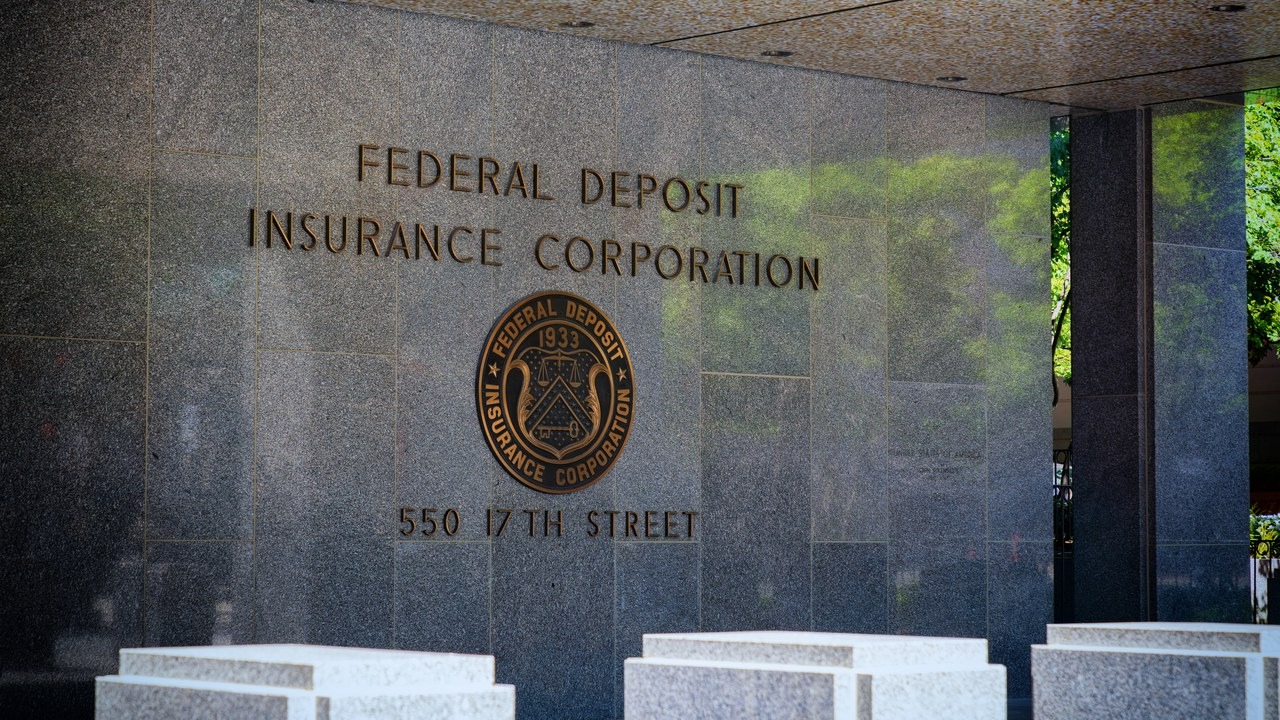
The FDIC insures up to $250,000 per depositor, and checking your coverage takes minutes
After a stretch of bank stress and headlines about failures, a lot of savers have quietly wondered whether their money is safe. The reassuring answer for anyone banking at an FDIC-member institution is that deposit insurance covers up to $250,000 per depositor, per bank, per ownership category — automatically, with no sign-up and no paperwork.…
-
One in seven Americans has unclaimed money sitting in a state database you can search for free
Somewhere in a state database, roughly one in seven Americans has money waiting under their name — an old paycheck, a forgotten deposit, an insurance payout that never reached them. Across the country these forgotten funds add up to an estimated $70 billion, and the search to see whether any of it belongs to you…
-
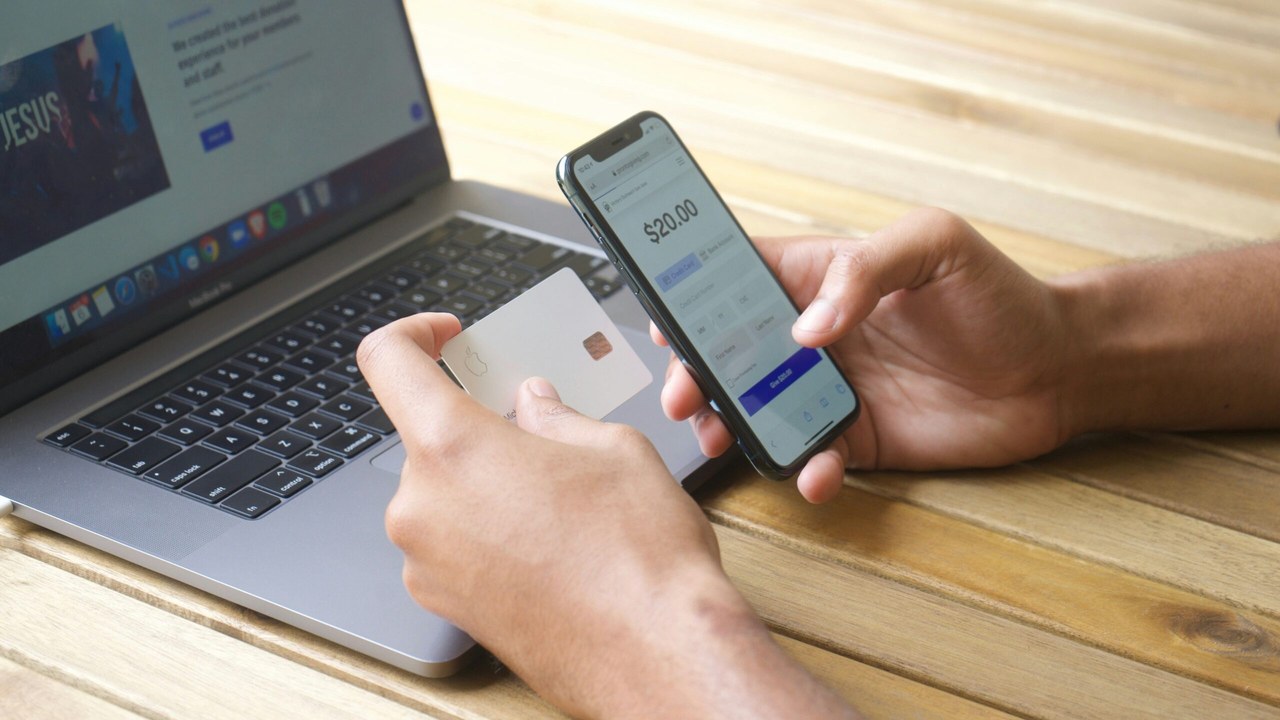
You can turn off debit-card overdraft and stop paying up to $35 to overspend your own account
Overspending a debit card by a few dollars can trigger a fee of around $35 — but only if you gave the bank permission to let it happen. A little-known federal rule puts that choice in the customer’s hands, and turning off debit-card overdraft coverage is a free move that stops the fees before they…
-
Buy-now-pay-later loans now hit your credit report when you miss a payment
The “pay in four” installment plans that have become a checkout staple are no longer invisible to the credit system. Buy-now-pay-later loans are now being folded into credit reports and scores, which means paying them on time can help build credit for people with thin files — and missing a payment can now ding a…