Overspending a debit card by a few dollars can trigger a fee of around $35 — but only if you gave the bank permission to let it happen. A little-known federal rule puts that choice in the customer’s hands, and turning off debit-card overdraft coverage is a free move that stops the fees before they start. For households living close to the edge of their balance, it is one of the simplest ways to keep a small mistake from becoming an expensive one, and it takes only minutes to arrange.
Why opting out flips the outcome
Under Regulation E, a bank can charge an overdraft fee on a one-time debit-card purchase or an ATM withdrawal only if the customer affirmatively opted in to overdraft “coverage.” When a customer instead opts out, a transaction that would overdraw the account is simply declined at the register or the ATM at no charge. Nothing goes through, and no fee is generated. The difference between paying about $35 and paying nothing comes down entirely to that opt-in setting sitting quietly in the account profile.
Many people were enrolled in coverage when they opened the account and never revisited it, sometimes because the sign-up form framed overdraft protection as a convenience rather than a fee generator. Because the charge only applies to the opted-in path, checking that single setting is the whole move. A declined $6 coffee is a minor inconvenience; a $35 charge on that same coffee is the outcome overdraft coverage produces, and for someone who overdraws a couple of times a month those fees can quietly add up to more than a utility bill over a year.
Free retirement updates: Want plain-English help keeping more of your money in retirement? The free Retirement Shield newsletter covers the benefits, deadlines, and money mistakes that cost retirees, a couple times a week. Subscribe free.
The $12 billion that overdraft fees still pull in
These charges are not a rounding error in American household budgets. The National Consumer Law Center reports that overdraft and non-sufficient-funds fees still cost consumers more than $12 billion a year. That total lands hardest on people with the thinnest balances, who are the most likely to overdraw by small amounts and the least able to absorb a $35 hit. The scale of the number is a reminder that opting out is not a trivial life-hack but a defense against one of the larger recurring drains on lower-income accounts.
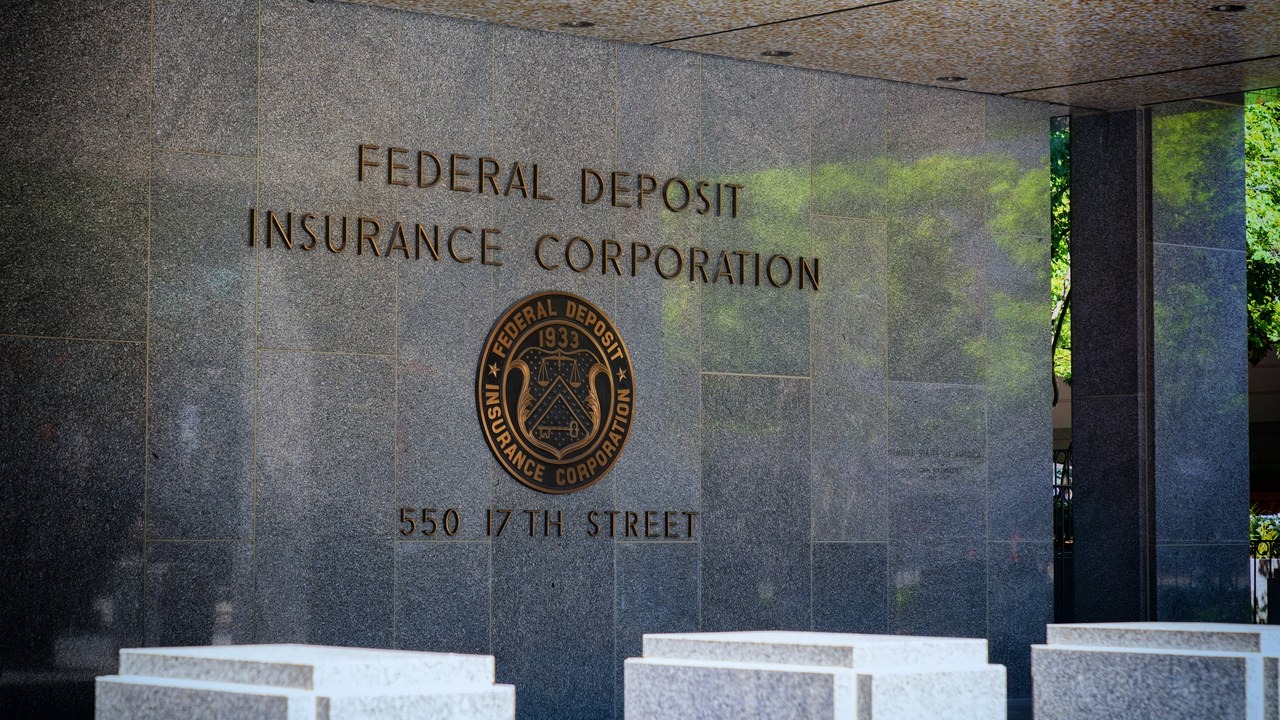
What makes the fees especially punishing is their size relative to the overdraft that triggers them. A shortfall of a few dollars can generate a charge many times larger than the amount overspent, and some accounts historically stacked several such fees in a single day. Details on how the fees work, and the consumer’s rights around them, are laid out by the Consumer Financial Protection Bureau, which oversees bank account practices. The agency’s materials confirm the opt-out mechanic and walk through how accounts handle overdrafts, so a customer unsure of their current setting has an authoritative place to check the rules.
What opting out does not stop
There is an important limit worth understanding before flipping the setting. Opting out of debit-card and ATM overdraft coverage does not cover checks or automatic ACH bill payments, which operate under separate rules and can still overdraw an account. So a household that turns off debit overdraft could still overdraw if an automatic mortgage draft or an electronic utility payment hits when the balance is short. The opt-out is a strong shield on point-of-sale and ATM transactions, not a blanket guarantee against every possible overdraft.
For that reason, the opt-out works best paired with a small cushion left in the account to absorb scheduled payments, along with a habit of knowing roughly when recurring drafts land. The goal is to remove the surprise-fee path for everyday card use while keeping enough of a buffer that automatic bills clear normally. A household that combines the two — no debit overdraft plus a modest reserve — closes off the most common way a thin balance turns into a fee.
The five-minute household move
Making the change usually takes a phone call or a few taps in the bank’s app: find the overdraft settings and turn off debit-card overdraft coverage. The step costs nothing and takes effect for future transactions, converting would-be overdrafts into simple declines. For a family that has been paying the occasional $35 charge, that is a direct reduction in fees with no downside beyond the rare inconvenience of a card being turned down at checkout — a far cheaper outcome than the fee it replaces.
One caution on the wider debate: proposals to cap overdraft fees at a specific low dollar amount have been contested and are not settled law, so households should not count on a guaranteed low cap arriving to solve the problem for them. What is reliable and available right now is the opt-out itself. The dependable version of this move is the one the National Consumer Law Center and the CFPB both describe: switch off debit-card overdraft, keep a small buffer for automatic payments, and let declined transactions do the work that a $35 fee used to do. It is a rare consumer-finance fix that is free, immediate, and entirely within the account holder’s control.
This article was produced with AI assistance and reviewed by a human editor. Figures are linked to their primary sources; where a claim could not be verified from the public record, we say so.
More Financial Reading