
Category: Saving & Banking
-
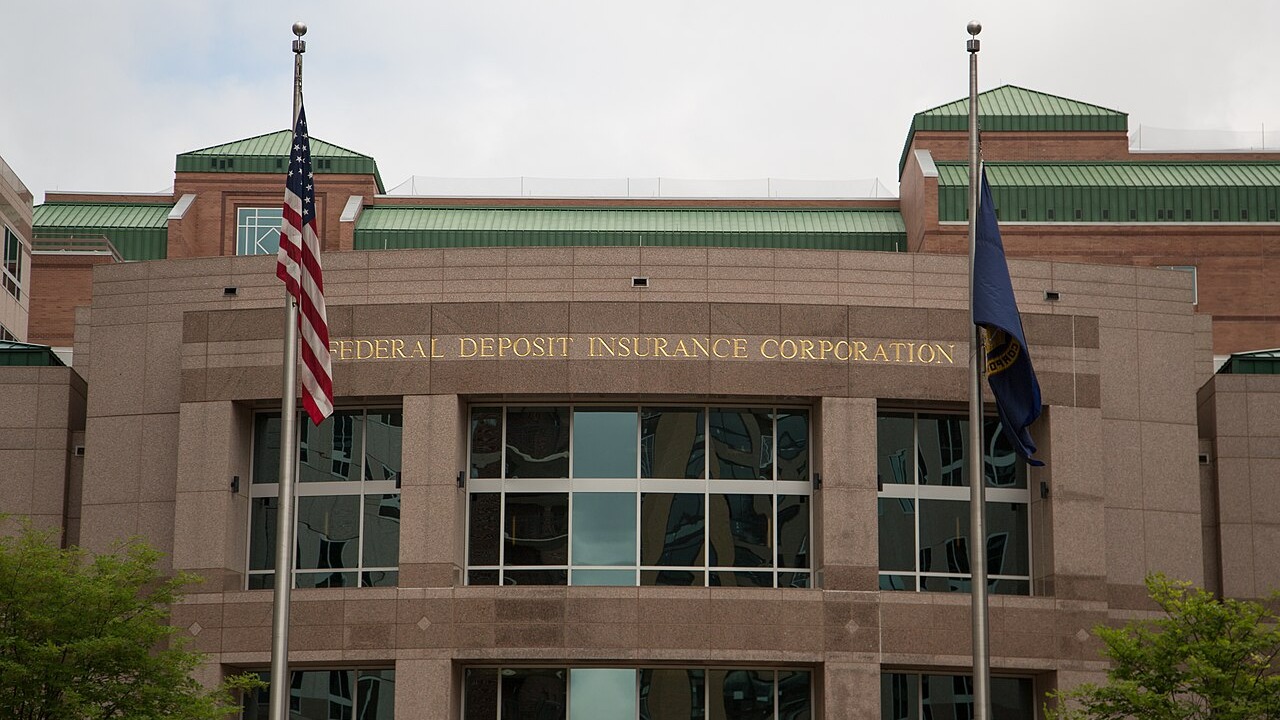
The FDIC holds unclaimed deposits from failed banks you can search by name
When a bank fails, most customers are made whole quickly through federal deposit insurance — but some money goes uncollected, and it can sit waiting for years. The Federal Deposit Insurance Corporation keeps a public database of unclaimed insured deposits from failed banks, searchable by name, and there is no cost to look or to…
-

Collections on defaulted federal student loans have restarted, putting paychecks and tax refunds at risk of seizure
Collections on defaulted federal student loans have restarted after a long pause, and the consequences reach straight into a household’s cash flow. The government can seize tax refunds, garnish wages, and even take a slice of a Social Security check to recover a defaulted loan. For borrowers who fell behind during the years of paused…
-
AT&T’s fee schedule lists a $4.99 charge on every line, and the company says it is not a tax
Section I.A of AT&T’s Mobility Fee Schedule is a four-row table of monthly recurring charges, and the first row is the largest flat one on it. The entry is called the AT&T Administrative and Regulatory Cost Recovery Fee, and the amount column reads $4.99 per line per month. It is not a plan price, it…
-
Car loan balances hit a record $1.71 trillion as auto delinquencies stay elevated
Auto loan balances in the United States reached $1.713 trillion at the end of June, the highest figure recorded in a series the Federal Reserve Bank of New York has published since 2003. The quarterly increase was $28 billion. It landed in a quarter when total household debt went down, which is what makes the…
-
The average American savings account pays 0.38 percent, while a one-year CD pays 1.71
The average savings account at an American bank pays 0.38 percent a year. A one-year certificate of deposit across the same universe of institutions pays 1.71 percent, roughly four and a half times as much. Both figures come from the same federal table, published the same morning, and the distance between them is the whole…
-
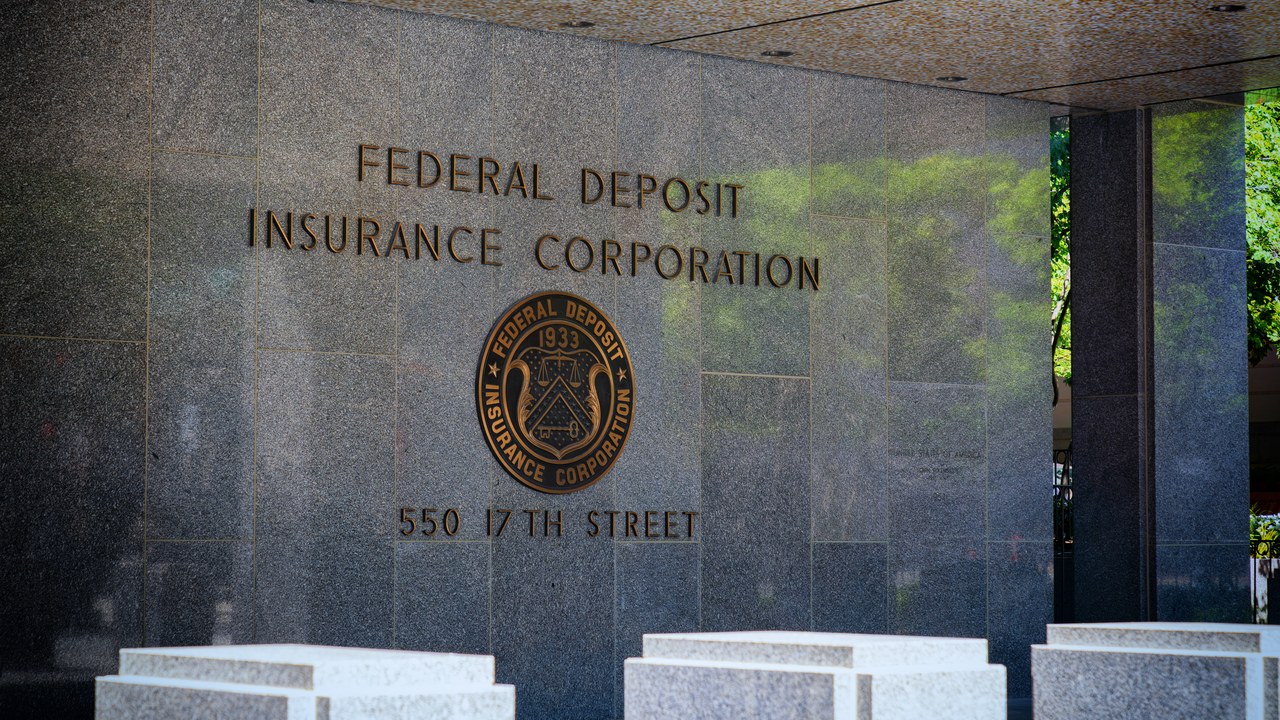
A fifth American bank failed on Friday, and all $67 million of its deposits moved to a buyer overnight
Pennsylvania’s Department of Banking and Securities took possession of Tioga-Franklin Savings Bank in Philadelphia on Friday, August 21, and named the Federal Deposit Insurance Corporation as receiver the same day. Before the branch doors would have opened again, a second Philadelphia institution had agreed to take the entire deposit book. The bank held $67 million…
-
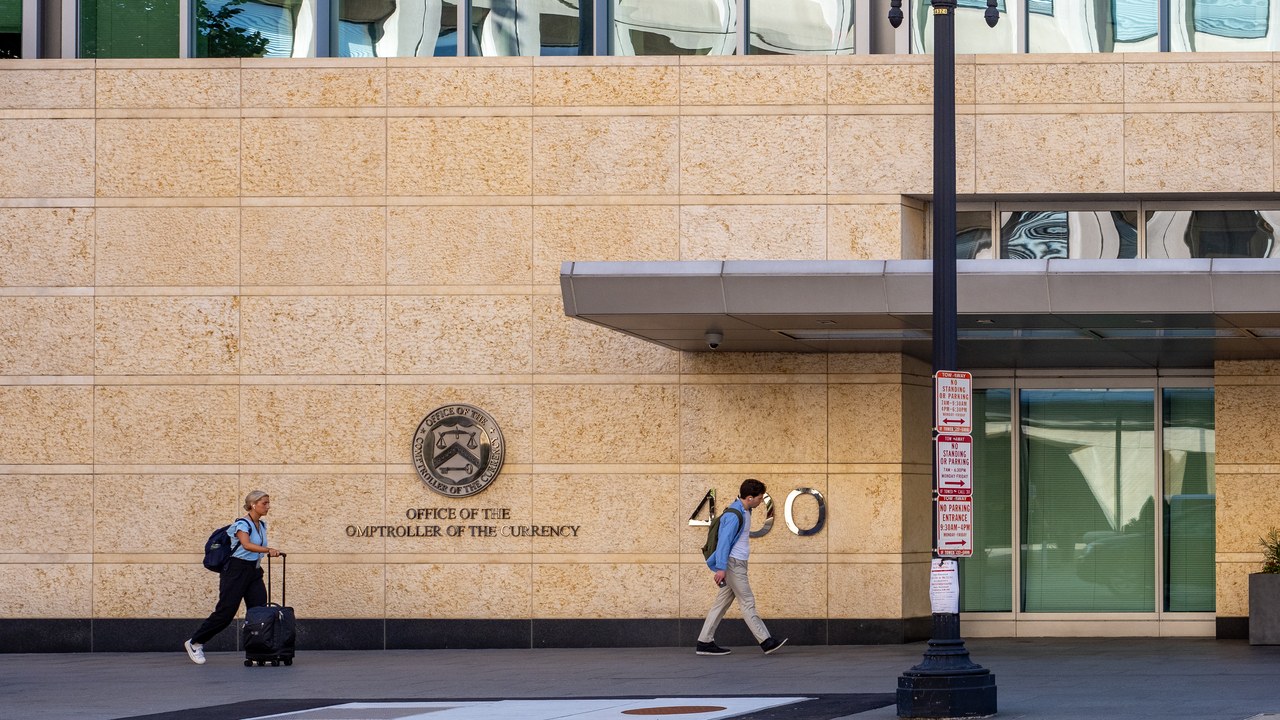
Ten states sued to keep banks paying interest on mortgage escrow
Two OCC rules that preempt state interest-on-escrow laws took effect June 18, 2026. Ten states filed suit in Oregon federal court on August 11 asking a judge to vacate them.
-
Refunds from the AT&T data throttling case are landing by Zelle for customers who never cashed the first check
The FTC is sending AT&T data throttling refunds by Zelle to people who were already sent a payment and did not cash the check or accept the PayPal transfer.
-
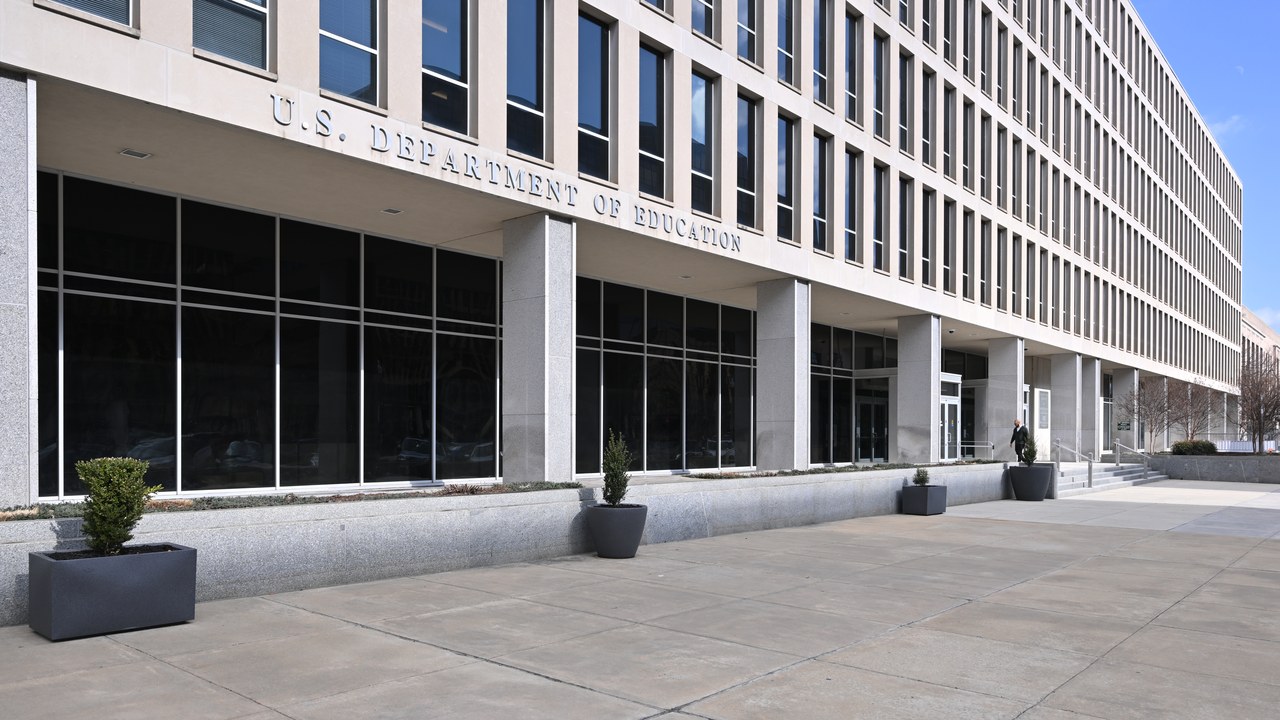
A SAVE borrower’s 90-day clock runs from their own notice, not a national cutoff
Roughly 7.5 million people were enrolled in the SAVE repayment plan when the courts brought it to an end, and every one of them now has a deadline to choose something else. The widely circulated version of that deadline is a single date on the calendar. The Education Department’s own description is different, and the…
-

Doxo will pay $2.1 million after the FTC said it posed as your biller online and added a hidden fee
Typing a utility company’s name into a search bar feels like the safest possible way to pay a bill. Federal regulators say one company built a business on the gap between that feeling and what a search result actually is. Under a proposed settlement announced this week, the online bill payment firm Doxo will pay…