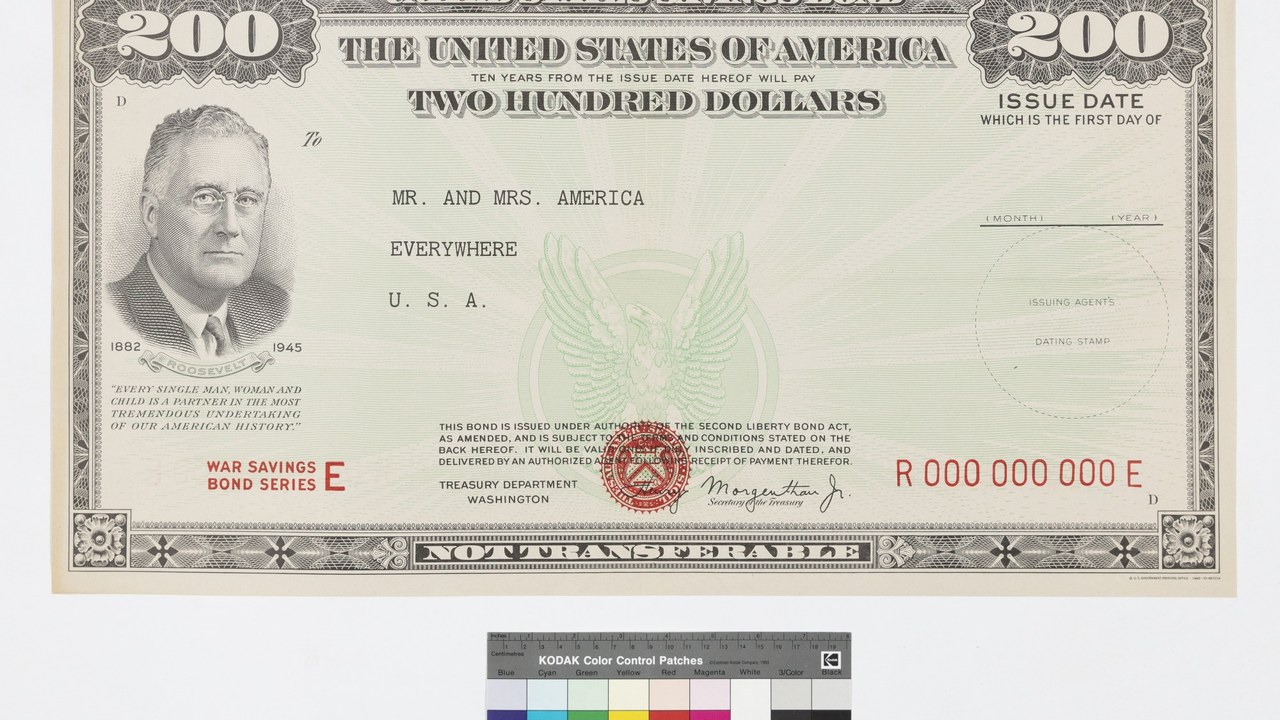
Somewhere in millions of American households, a savings bond bought decades ago for a birth, a graduation, or a retirement is sitting in a drawer doing absolutely nothing. That is not a figure of speech. A U.S. savings bond earns interest for exactly 30 years and then stops cold, and every month it sits past that mark, it loses ground to inflation while paying its holder nothing. For families cleaning out a filing cabinet or settling a relative’s affairs, tracking down and cashing those matured bonds is found money.
The 30-year cliff on Series EE and Series I bonds
The two savings bonds most households own, Series EE and Series I, are built to earn interest for 30 years and then reach what the Treasury calls final maturity. At that point they simply stop growing. There is no penalty for waiting and no reward either; the bond is frozen at its final value. The U.S. Treasury spells out this 30-year earning schedule for both series, and it is the single most important fact for anyone holding a stack of old certificates.
Older bonds are already dead weight. Series E bonds, the paper predecessor to today’s EE bonds, have long since stopped paying, as have the interest-bearing HH bonds that some retirees still hold. If a bond was issued in the 1980s or earlier, the odds are strong that it is no longer earning a cent.
Free retirement updates: Want plain-English help keeping more of your money in retirement? The free Retirement Shield newsletter covers the benefits, deadlines, and money mistakes that cost retirees, a couple times a week. Subscribe free.
How to find bonds nobody remembers buying
Plenty of savings bonds are lost, forgotten, or held in a deceased relative’s name, and the Treasury runs a free tool to surface them. Treasury Hunt lets anyone search for matured bonds that have stopped earning, using a Social Security number, and it can also flag registered bonds that were never cashed. For electronic bonds, the balance and status live inside a personal TreasuryDirect account. Households sorting through an estate should check both, since a bond can be hiding in paper form in a safe deposit box or in electronic form in an online account the family never knew existed.
Cashing a matured bond, paper or electronic
Redeeming a bond is straightforward once it is found. Electronic EE and I bonds are cashed directly inside a TreasuryDirect account, with the money sent to a linked bank account, usually within a couple of business days. Paper bonds are handled differently. Many banks and credit unions will cash paper savings bonds for their own customers, and bonds can also be redeemed by mailing them to the Treasury with the proper form. A holder should confirm what identification a bank requires before making the trip, since rules on cashing paper bonds vary by institution and by the dollar amount.
The tax bill that arrives whether the bond is cashed or not
Here is the catch that surprises people, and the reason to act rather than let a matured bond linger. Interest on savings bonds is subject to federal income tax, though it is exempt from state and local tax. Most owners defer that tax until they cash the bond, but the deferral does not last forever. The interest becomes reportable no later than the year the bond reaches final maturity, whether or not the owner has actually redeemed it. In plain terms, a bond that hit 30 years can leave its holder owing federal tax on interest they never collected, simply because the money was left sitting.
That single detail turns “I’ll get to it eventually” into a costly habit. A household that ignores a matured bond may face a tax reporting obligation while still earning nothing on the balance, the worst of both worlds. Cashing it and moving the proceeds into an account that actually pays interest fixes both problems at once.
Turning a dead bond into working cash
The practical playbook is short. Gather every paper bond in the house, run a Treasury Hunt search for any that may be lost or inherited, log in to TreasuryDirect for the electronic ones, and check the issue dates against the 30-year rule. Anything at or near maturity should be cashed, with the interest reported for tax purposes in the correct year. The proceeds can then go to work in a high-yield savings account or a certificate of deposit instead of decaying in a drawer. For an older household holding several bonds from the 1980s and 1990s, the reclaimed value can run into thousands of dollars that were quietly earning nothing at all.
This article was produced with AI assistance and reviewed by a human editor. Figures are linked to their primary sources; where a claim could not be verified from the public record, we say so.
More Financial Reading