The word “bank failure” sounds like a customer’s money vanishing overnight, and for generations before federal deposit insurance that fear was justified. Today the reality is far less dramatic. When an insured bank collapses, the government has a well-worn playbook that keeps ordinary depositors whole, usually without them lifting a finger. Insured money is moved, not lost, and in most cases the checks keep clearing and the debit card keeps working straight through the weekend.
What the FDIC does the moment a bank goes under
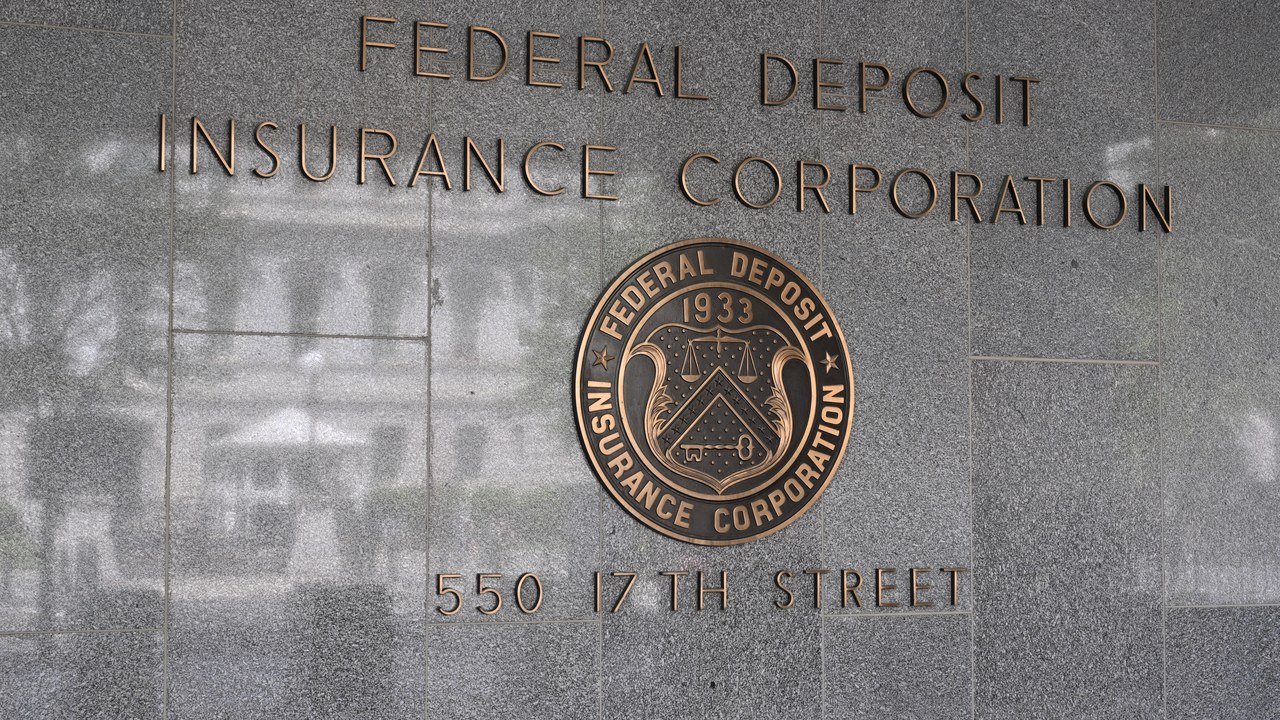
When a bank fails, the Federal Deposit Insurance Corporation steps in as receiver, meaning it takes legal control of the failed institution to wind it down and protect depositors. In the overwhelming majority of cases, the FDIC has already lined up a healthy bank to take over. That transaction, known in the industry as a purchase and assumption, has the acquiring bank buy the failed bank and assume its insured deposits. Customers’ accounts move automatically to the new bank, typically over a weekend, and reopen under the new owner. The FDIC describes this as its preferred resolution because it is the least disruptive to the public.
For the customer, the experience is close to seamless. Existing checks, debit cards, and direct deposits generally keep functioning, account numbers usually carry over, and no action is required to claim the money. The bank’s sign changes and the letterhead is different, but the balance is intact.
Free retirement updates: Miss an enrollment or claim deadline and it may be gone. Our free Retirement Shield newsletter keeps readers ahead of the ones that matter. Get the free newsletter.
The $250,000 line that decides what is protected
The protection is not unlimited, and this is where households need to pay attention. FDIC insurance covers up to $250,000 per depositor, per insured bank, for each ownership category, as the agency lays out in its deposit-insurance rules. Everything at or below that limit is fully backed by the federal government. Only amounts above the limit are at risk in a failure, and even then the uninsured portion is not automatically gone; it becomes a claim against the failed bank’s assets that may be partially repaid over time. But no household should count on that. The safe assumption is that money over the coverage limit is exposed.
When no buyer shows up
Occasionally the FDIC cannot find a bank willing to take over a failed institution. In that case the agency pays insured depositors directly, cutting a check or opening an account at another bank for the insured balance, usually within a few business days of the closure. This direct-payoff route is the exception rather than the rule, but it produces the same bottom line for the customer: insured money comes back quickly. The difference is only in the plumbing, not in whether a depositor is made whole.
The timing tends to follow a pattern. Regulators most often close a bank late on a Friday, which gives the FDIC the weekend to transfer the accounts or arrange payment so branches and online banking can reopen by Monday under the new arrangement. Customers are notified by mail and through the FDIC’s and the acquiring bank’s websites, and the agency sets up a dedicated phone line for the specific failure. The steady message in every one of those notices is the same: insured deposits are safe, and there is no need to rush to a branch to pull cash out.
How rare bank failures actually are right now
It is easy to picture a wave of collapses, but the record does not support the panic. The FDIC keeps a running failed-bank list, and only a small number of banks have failed in 2026. Failures cluster in stressed periods and then go quiet for stretches at a time, and the vast majority of the country’s thousands of insured banks are operating normally. The insurance system exists precisely so that the occasional failure does not become a customer’s problem.
How a household stays fully covered
The one job that falls to the depositor is staying inside the coverage limits, and there are simple ways to do it. A household with more than $250,000 at a single bank can spread the money across separate insured institutions, so no one bank holds an uninsured balance. Ownership categories also multiply coverage at the same bank: a single account, a joint account, and certain retirement accounts are insured separately, and accounts with named beneficiaries fall into their own trust category that can raise the total. The FDIC’s online estimator walks through the math for a specific set of accounts.
The practical takeaway for an ordinary saver is reassuring. Federally insured money is protected up to the limit no matter what happens to the bank holding it, the transfer to a new owner is automatic, and failures remain uncommon. The only real homework is confirming that no single account balance drifts above $250,000 without a plan, and for most households, it never does.
This article was produced with AI assistance and reviewed by a human editor. Figures are linked to their primary sources; where a claim could not be verified from the public record, we say so.
More Financial Reading