
Category: Saving & Banking
-
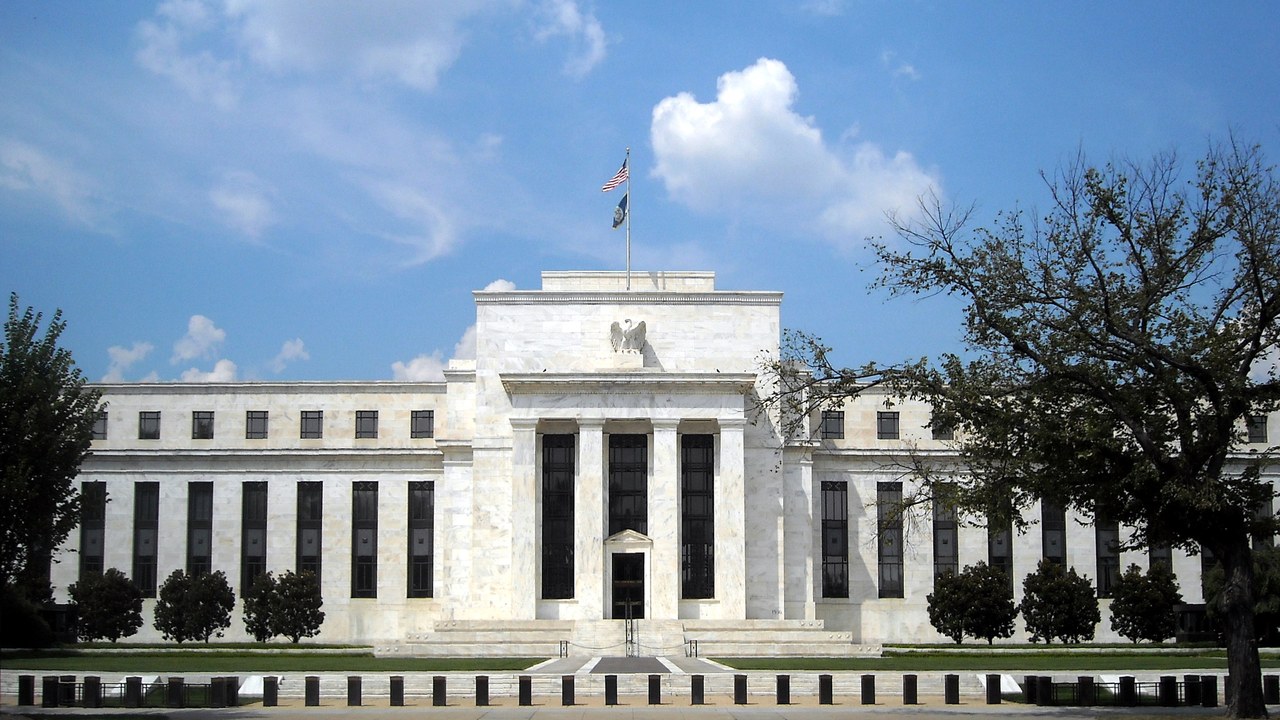
The Federal Reserve raised interest rates for the first time since 2023, and the vote was unanimous
For three years, every move the central bank made on short-term interest rates went in one direction: down, or nowhere at all. That run ended on Wednesday, September 16, 2026, when the Federal Open Market Committee lifted its target range a quarter point and every voting member signed off on it. The change took effect…
-
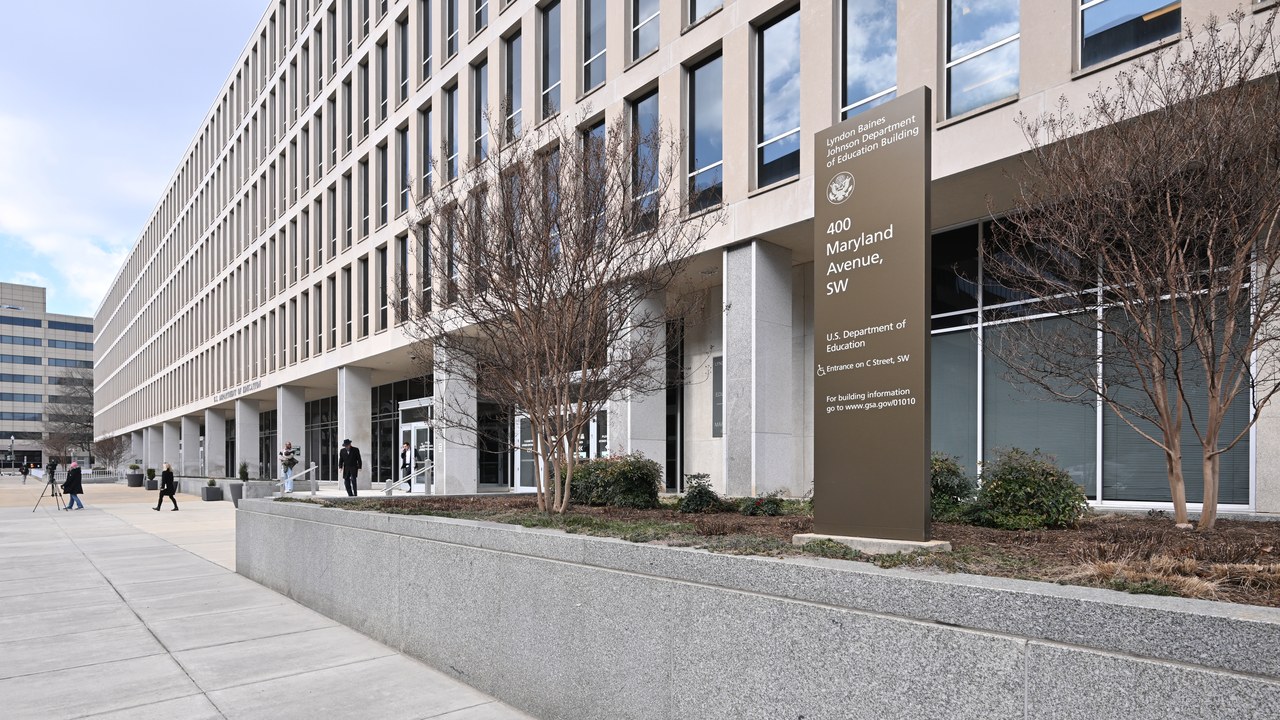
The deadline to cut a federal student loan rate by a full percentage point is September 30, and only 40 percent of borrowers have done it
Federal student loan borrowers who set up automatic payments before September 30, 2026, will lock in a full percentage point off their interest rate through June 2028, the U.S. Department of Education announced. The reduction applies to Direct Loans issued after July 1, 2012, and arrives alongside new income-driven repayment options rolling out the same…
-
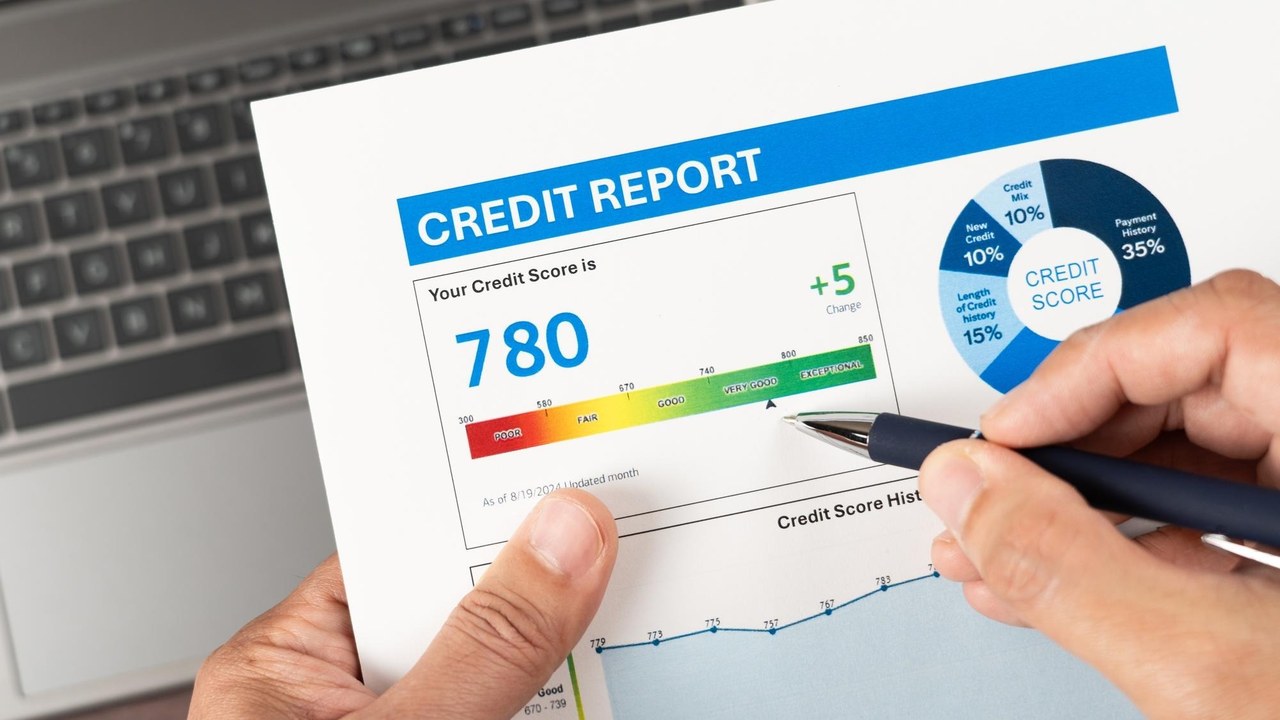
No federal rule keeps medical debt off a credit report anymore
The rule that would have erased medical bills from credit reports nationwide never made it past a federal courtroom in Texas. Judge Sean Jordan vacated the Consumer Financial Protection Bureau’s medical-debt regulation in July 2025, months before its compliance deadlines arrived, ending a rule that had been finalized only in January of that year. Millions…
-

Borrowers taking a federal student loan now have one repayment plan, priced as a share of income
Taking out a federal student loan this fall means signing up for a repayment formula that no longer bends toward multiple menus of options. Anyone whose first loan disburses on or after July 1, 2026 is routed into a single income-based plan, the Repayment Assistance Plan, that sets the monthly bill as a percentage of…
-
The Education Department still has not restarted seizing refunds over defaulted student loans
Tax refunds that would normally be seized to pay down a defaulted federal student loan are, for now, staying in borrowers’ bank accounts. The freeze on wage garnishment and refund seizures tied to federal student loan defaults has been in place since mid-January 2026, and more than eight months later the Department of Education still…
-
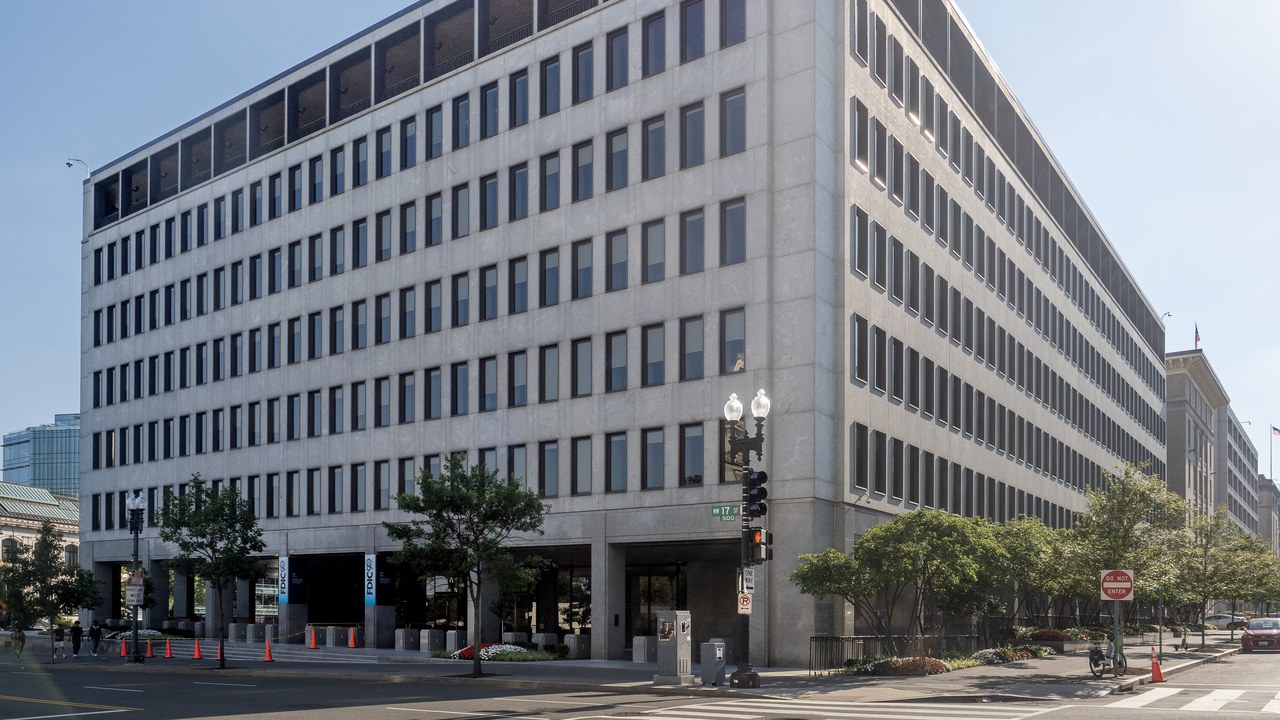
A Philadelphia savings bank failed last month, the fifth of the year, and no depositor lost a dollar
A small Philadelphia savings bank closed its doors last month, and by the following business day every checking and savings account it held had a new owner. Tioga-Franklin Savings Bank, a single-branch lender, was taken over by Pennsylvania regulators on August 21, making it the fifth bank to fail in the United States this year.…
-

Three credit unions closed this year, with insured shares typically paid within five days
A credit union chartered before World War II and a credit union serving 183 members tied to a single community organization shut down for the same underlying reason this year, five months apart, and neither event cost an insured saver a dollar. Federal regulators closed three credit unions in 2026 to date, and in two…
-

Woodforest Bank took an average of $94 per checking account in overdraft fees last year, more than three times Regions’ $30
A checking account at Woodforest Bank generated an average of $94 in overdraft fees during 2025, more than three times the $30 average at Regions Bank, the highest figure among the nation’s largest banks, according to a new tally of federal bank-filing data from the National Consumer Law Center. Both banks report to the same…
-

Four of the twenty largest U.S. banks charge no overdraft fee at all
A $34 grocery run that overdraws a checking account by even a few dollars still triggers a fee at most large banks, sometimes before the cardholder even sees the low-balance alert. Four of the twenty largest banks in the country have stopped collecting that fee under any circumstance, according to a review of overdraft practices…
-
Banks and credit unions collected an estimated $12.4 billion in overdraft and bounced-payment fees last year
Household checking accounts absorbed an estimated $12.4 billion in overdraft and bounced-payment fees in 2025, according to a new tally from the National Consumer Law Center. That figure covers every bank and credit union nationwide, not just the largest players, and it lands a year after Congress voted to kill a federal rule that would…