
Category: Saving & Banking
-

Only 40% of federal student loan borrowers are on auto pay, down from more than 80% before the pandemic
A payment that used to renew itself every month without a borrower lifting a finger now requires an active decision for most federal student loan borrowers. Enrollment in that automatic-payment option collapsed sometime after 2020 and has not come close to recovering, even as a new discount tied directly to it took effect this year.…
-

Federal student loan borrowers who enroll in auto pay by September 30 get a full point off their rate through June 2028
A single toggle inside a loan servicer’s online account, the one labeled “auto pay,” now carries a full percentage point of interest savings for federal student loan borrowers, but only for those who switch it on before September 30, 2026. The Department of Education is layering a new 0.75 percentage point discount on top of…
-
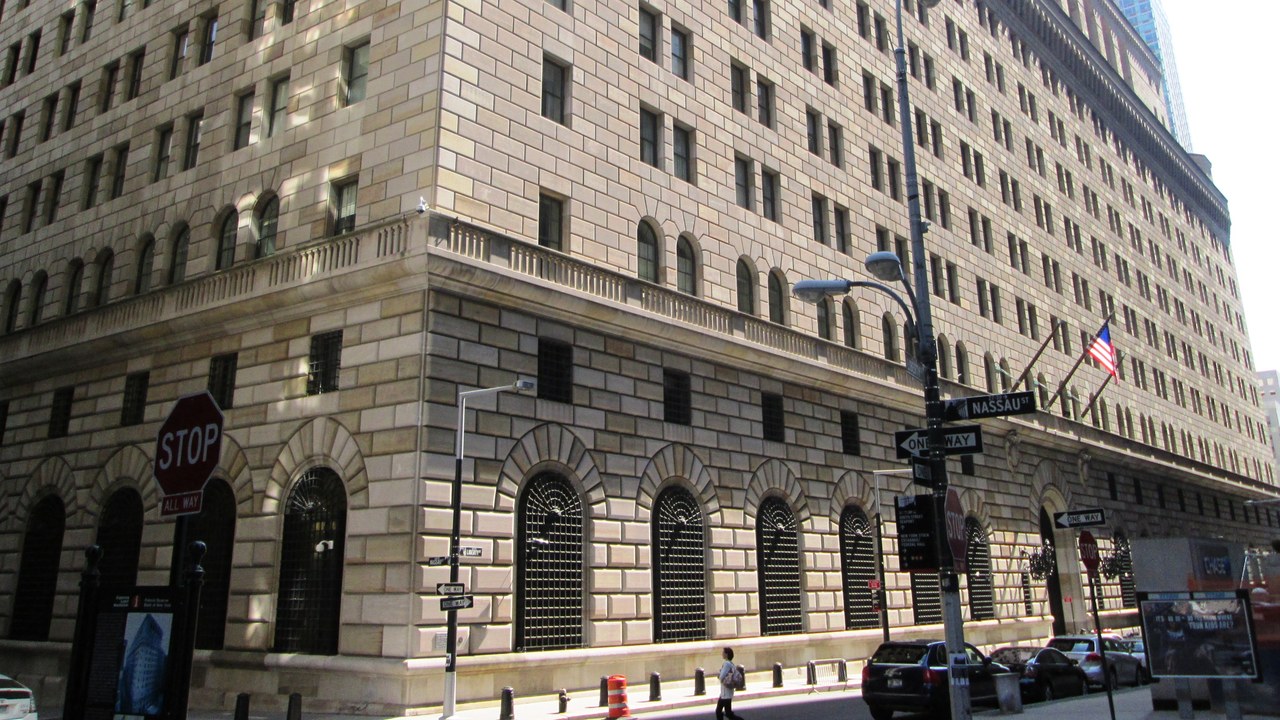
The Federal Reserve raised its benchmark rate a quarter point to between 3.75% and 4% on Wednesday
The Federal Open Market Committee moved interest rates a quarter point higher on September 16, pushing the federal funds target range to between 3.75% and 4%, the range that ripples into savings account yields, certificate-of-deposit rates and credit card annual percentage rates alike. Every voting member on the committee backed the increase. For a household…
-
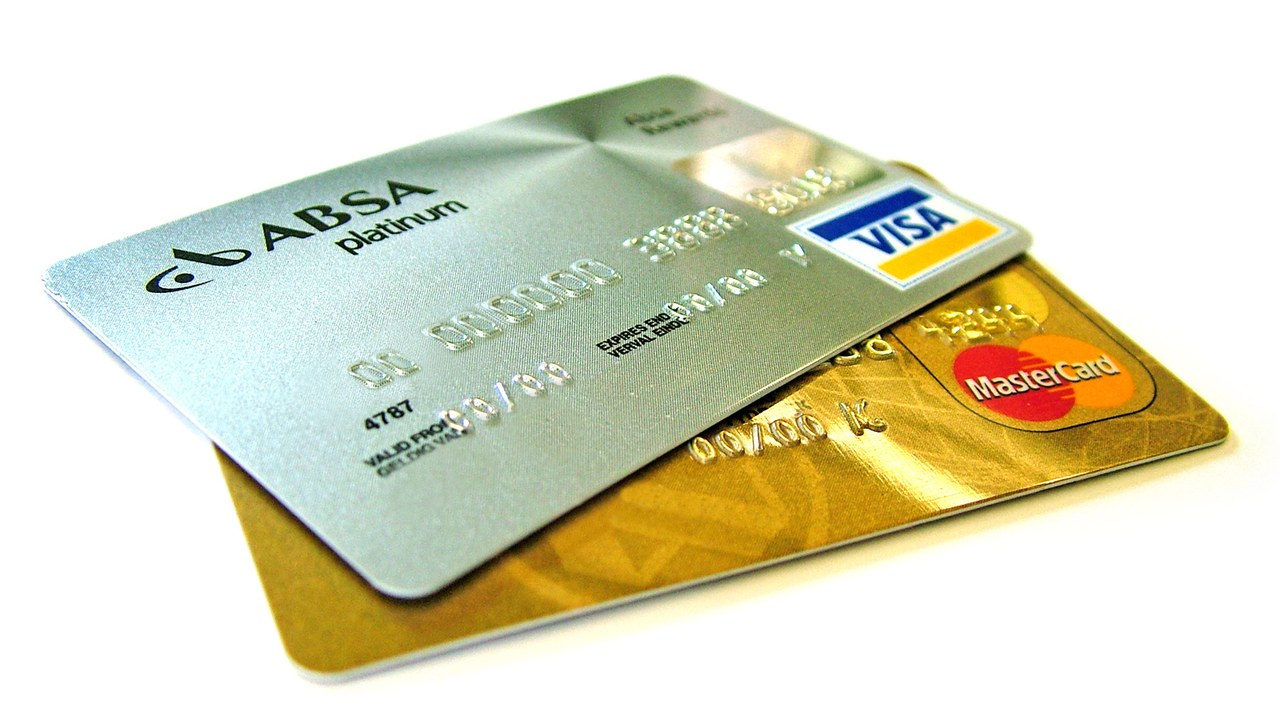
The Federal Reserve’s latest G.19 release put revolving consumer credit at $1.3161 trillion in July.
Revolving consumer credit outstanding reached $1.3161 trillion in July, according to the Federal Reserve’s latest G.19 Consumer Credit release. The July figure is shown in billions of dollars as $1,316.1 billion and is marked preliminary; the release date is September 8, 2026. That is a national stock of credit, not a measure of a typical…
-

The FTC says Doxo agreed to pay $2.1 million over allegations it charged consumers add-on bill-payment fees.
The Federal Trade Commission says online bill-payment company Doxo agreed to pay $2.1 million to resolve allegations that it used misleading search advertising and added fees to consumer bill payments. The amount is designated for consumer redress under a proposed stipulated order; it is not a public payout announcement with a currently published claims form.…
-

An insider-trading judgment orders $1.83 million returned after profits topped $2.2 million
A federal court has entered a final civil judgment requiring Justin Chen to disgorge $1,828,442 after the Securities and Exchange Commission accused him of helping generate more than $2.2 million in insider-trading profits. The judgment also adds $32,361 in prejudgment interest, although parallel criminal restitution and forfeiture orders satisfy the payment obligation. Confidential filing information…
-

AmTrust investors have until October 7 to claim part of a $19 million settlement
Investors who bought stock traceable to two AmTrust public offerings have until October 7, 2026, to submit a proof of claim for a proposed $19 million securities settlement. The filing window remains open, but neither receipt of a notice nor ownership of AmTrust shares by itself guarantees a payment. Only two offerings define the settlement…
-

Twist Bioscience investors have until November 17 to seek part of a $17.05 million settlement
Investors who bought qualifying Twist Bioscience common stock have until November 17, 2026, to submit a claim in a proposed $17.05 million securities settlement. The deadline is open, but a mailed notice alone does not establish a payment: the investor must fit the class definition, show eligible transactions and file a valid proof of claim.…
-

Americans carried $1.316 trillion in revolving credit in July after balances rose again
U.S. revolving consumer credit reached $1.3161 trillion in July on the Federal Reserve’s unadjusted measure, rising from $1.3090 trillion in June. Most of that category is credit-card debt, though the total also includes certain overdraft and other revolving plans. The July figure is preliminary and can be revised, but the direction and level were current…
-
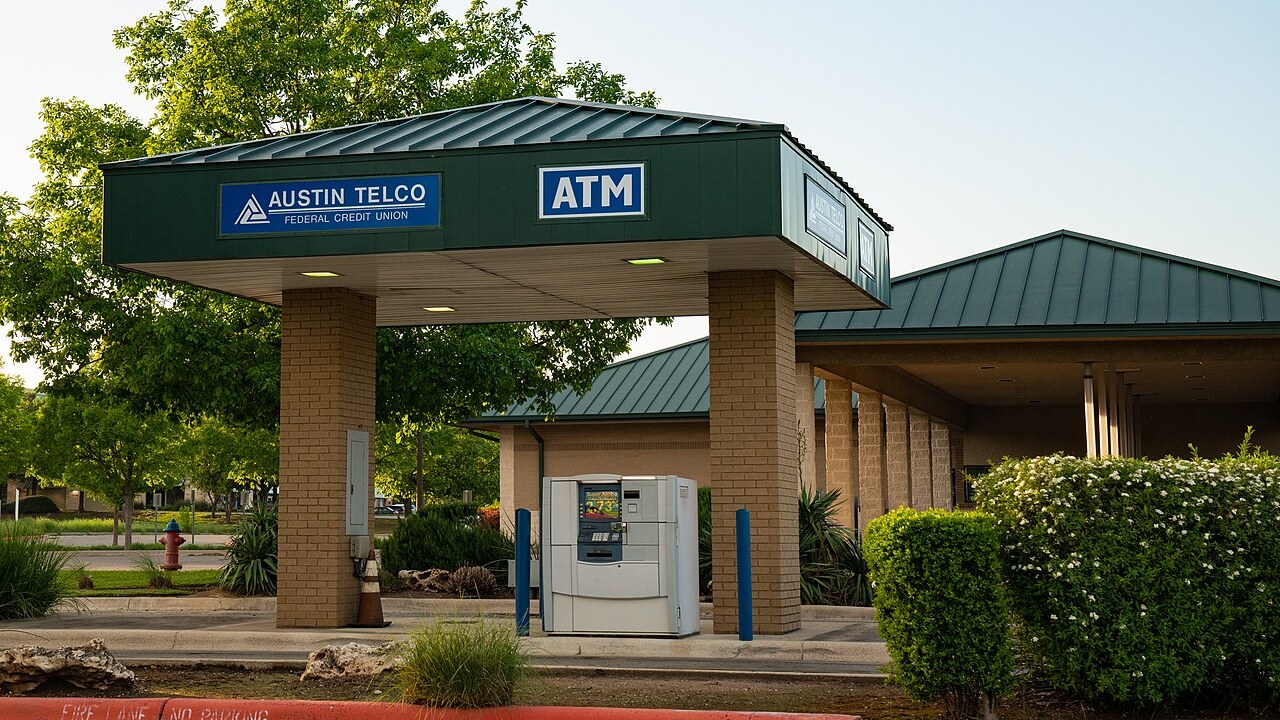
No credit union member has ever lost an insured penny, and shares are typically paid within five days
No member of a federally insured credit union has ever lost a single penny in an insured account, according to the agency that runs the backstop behind nearly all of them. The National Credit Union Administration also says that once a credit union closes, verified member shares are typically paid out within five days —…