
Category: Saving & Banking
-

Paying a doctor a flat monthly fee no longer costs a worker the right to a health savings account
A change buried in last year’s tax law is now reshaping a corner of employee benefits that has quietly tripped up thousands of workers: signing up for a direct primary care membership, the flat-fee subscription model some doctors use instead of billing insurance, used to mean losing the right to fund a health savings account.…
-
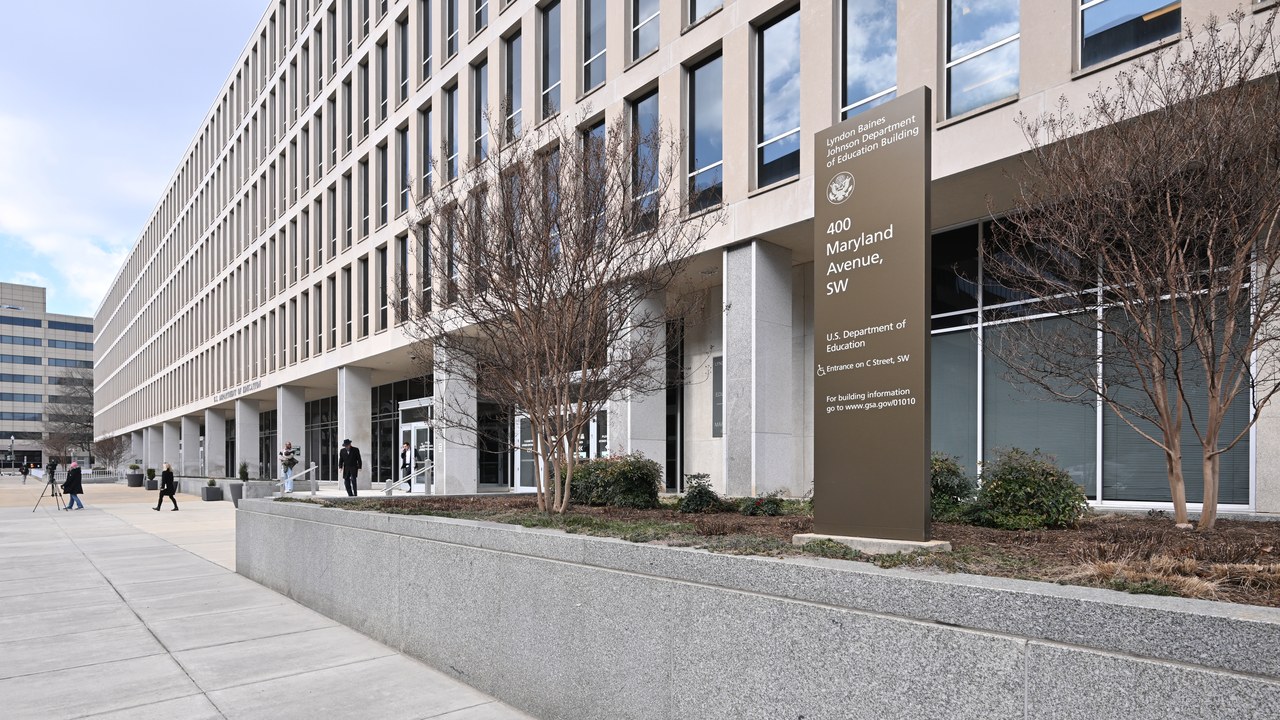
Wage garnishment for defaulted student loans is still on hold, with no restart date announced
Borrowers whose federal student loans are in default are not watching money disappear from a paycheck or a tax refund this month, and the U.S. Department of Education still has not said when that could change. The delay the agency put in place in January on its two main collection tools remains the department’s active…
-
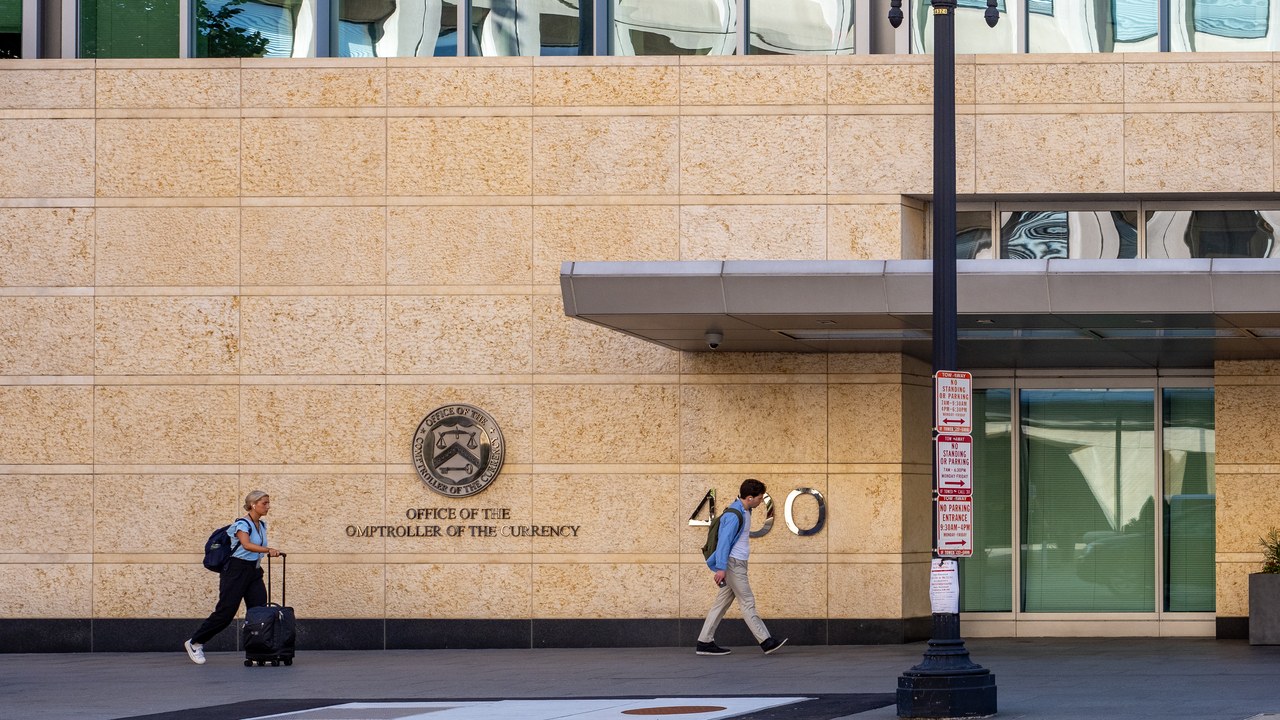
A new banking rule defining an unsafe practice takes effect November 2
Federal banking regulators have rewritten one of the oldest and vaguest phrases in bank oversight: “unsafe or unsound practice.” For decades, examiners leaned on that phrase to flag almost anything about how a bank ran itself, from thin paperwork to slow fraud controls, often without a fixed legal definition to point back to. A new…
-
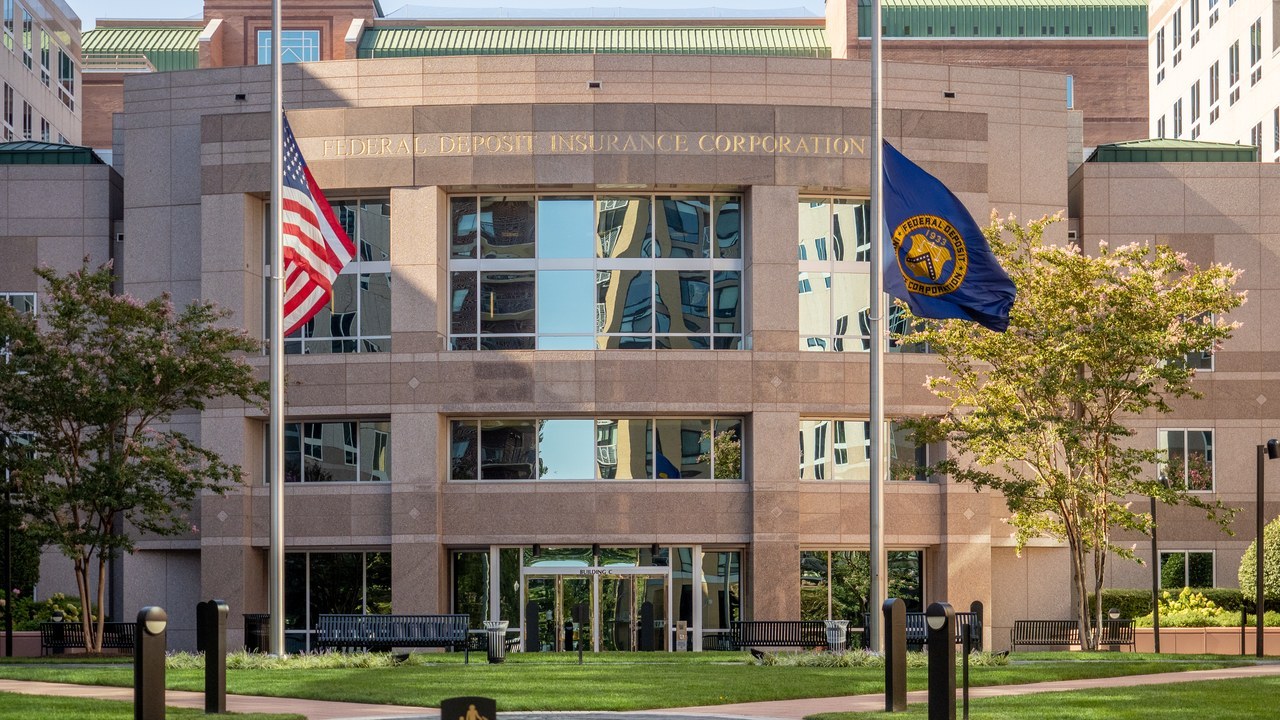
The rule stopping a bank from charging twice for the same bounced check is gone
Federal banking regulators have spent the last year and a half unwinding rules meant to limit how many times a bank can charge for the same bounced payment. The most direct of those rollbacks landed this spring, when the Federal Deposit Insurance Corporation dropped supervisory guidance that had discouraged FDIC-supervised banks from charging more than…
-
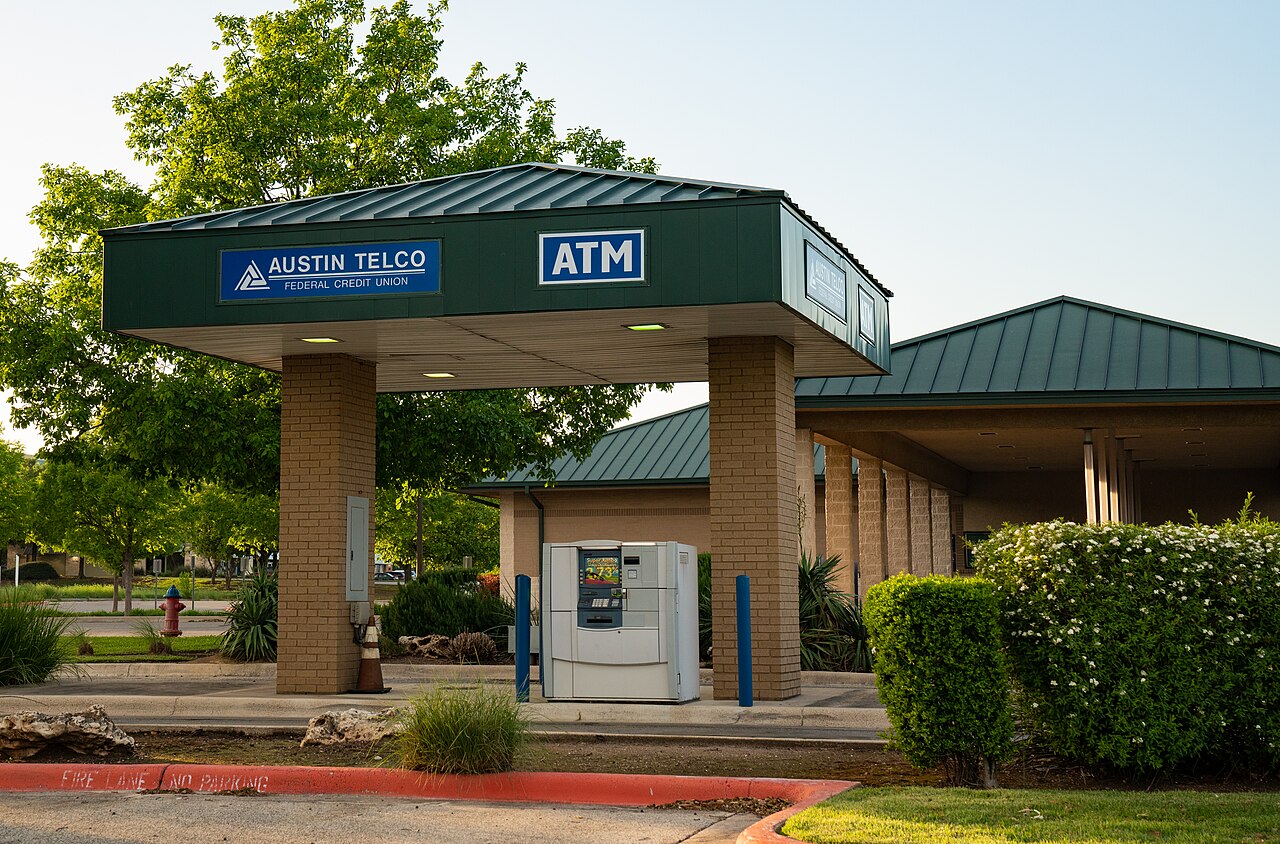
A Kansas City credit union with 1,015 members was handed to a $9 billion institution
A credit union chartered just four years ago to serve overlooked pockets of Kansas City no longer exists as its own institution. The National Credit Union Administration confirmed that WeDevelopment Federal Credit Union, which held 1,015 member accounts and $2.4 million in total assets, has been absorbed into CommunityAmerica Federal Credit Union, a Lenexa, Kansas…
-
Five federal agencies told banks they may tell a customer an account was closed over suspected fraud
Banks have long operated under a strict confidentiality law when it comes to suspicious activity reports, and that silence sometimes left ordinary account holders guessing about why a deposit bounced or an account got shut down overnight. On September 2, 2026, five federal regulators moved to close that information gap: the Federal Reserve, the Federal…
-

Treasury says a single $1,000 deposit at birth could be worth about half a million dollars by retirement age
Treasury Secretary Scott Bessent stood before a room of lawmakers in late January and made a claim that sounds almost too good to check: a single $1,000 government deposit, left untouched for decades, could grow into roughly half a million dollars by the time a child retires. The number is attached to Trump Accounts, the…
-

A failed credit union typically repays members within three days of closing.
No credit union member has ever lost a penny of federally insured savings, but a credit union failure still upends daily banking for a few days while the money moves. The National Credit Union Administration says insured funds are typically back in members’ hands within about three days of a credit union closing its doors,…
-

The CFPB is drafting a rule that would let banks charge for sending your data to apps.
Millions of people connect a bank account to a budgeting app, a bill-negotiation service, or an automated investing tool without ever paying a separate charge for the privilege. That arrangement may not last. The Consumer Financial Protection Bureau is working on a new rule that would let banks and credit unions charge outside apps for…
-

Borrowers with older loans have until July 1, 2028 to pick among three surviving repayment plans.
July 1, 2028 sounds distant, but it is the real deadline the Department of Education has set for a group of federal student loan borrowers who are easy to overlook: people whose loans predate this summer’s repayment overhaul. Borrowers with loans made before July 1, 2026, who are still sitting in one of the phased-out…