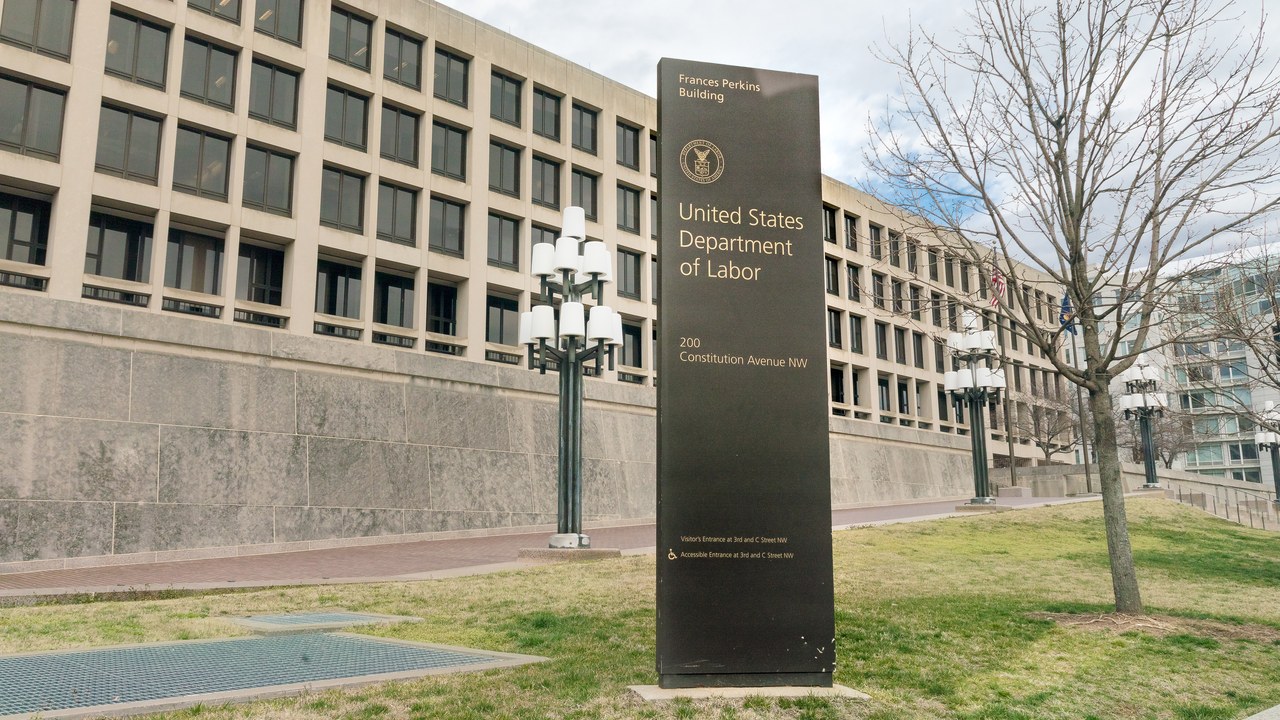
Borrowers whose federal student loans are in default are not watching money disappear from a paycheck or a tax refund this month, and the U.S. Department of Education still has not said when that could change. The delay the agency put in place in January on its two main collection tools remains the department’s active policy as of late August, with no restart date published anywhere on its site. For a borrower already stretched thin, that pause buys real time, though it does not undo what a default is doing to a credit file in the meantime.
Wage Garnishment and Treasury Offsets Remain Paused
The Department of Education announced on January 16, 2026, that it would delay Administrative Wage Garnishment and the Treasury Offset Program for borrowers in default on federal student loans, freeing the agency to roll out a new set of repayment options under the Working Families Tax Cuts Act. Under Secretary of Education Nicholas Kent said at the time that involuntary collection tools would work “more efficiently and fairly” once the department finished overhauling a loan system he described as a “confusing maze” of repayment choices.
That announcement has not been updated with an end date. The department’s press release was last reviewed on August 27, 2026, more than seven months after it first posted, and it still describes the delay in the present tense with no resumption timeline attached. For a household budget, that means take-home pay and any federal tax refund are currently safe from an involuntary student loan collection, a protection that has now held for roughly eight months. The pause does not cover every consequence of default, however: the department continues reporting defaulted loans to the credit bureaus, a mark that can lower a credit score and complicate approval for a car loan, an apartment lease or a new credit card.
Free retirement updates: A quiet rule change can shrink your Social Security or Medicare check, and no one warns you. The free Retirement Shield newsletter catches these early and tells you what to do. Get it free.
A Second Chance to Rehabilitate a Defaulted Loan
The same policy shift also changed the rules on loan rehabilitation, the process a borrower uses to bring a defaulted loan current through a string of on-time payments and get the default removed from their record. Federal rules previously allowed only one rehabilitation attempt over the life of a loan; a borrower who defaulted a second time lost access to that path for good. Under the new law, borrowers now get a second rehabilitation opportunity, so a household that fell back into default after already rehabilitating a loan once is not permanently shut out of clearing its record. Borrowers weighing rehabilitation against a new repayment plan can compare current options through the department’s loan management resources, which cover consolidation, forgiveness eligibility and the steps for bringing a loan back into good standing.
New Repayment Plans Take Effect This Summer
The repayment side of the same overhaul became final on April 30, 2026, when the department published a rule creating a new Repayment Assistance Plan and a Tiered Standard plan to replace the patchwork of income-driven options borrowers previously had to sort through. The Repayment Assistance Plan ties monthly bills to income and eliminates negative amortization, the effect that let unpaid interest pile onto a balance faster than a borrower could pay it down. Most of the rule takes effect July 1, 2026; provisions covering rehabilitation, deferment and forbearance follow on July 1, 2027; and several older repayment plans are scheduled to sunset on July 1, 2028. The department frames the stakes in blunt terms: outstanding federal student loan debt sits near $1.7 trillion, with close to a quarter of all borrowers in default, and the agency projects, as its own estimate rather than an audited figure, that the changes will save $409 billion over time.
What Resuming Collections Would Look Like
Before the delay took hold, the collection process had already started moving. The department sent wage garnishment notices to roughly 1,000 defaulted borrowers in early January 2026, with plans to expand the notices on a monthly basis, according to reporting at the time that first surfaced the timeline. Those notices marked the end of a years-long freeze on wage garnishment tracing back to the pandemic-era loan pause, so the January notices were the first some defaulted borrowers had seen in years. Federal rules define default as 270 days without a payment, and once a wage garnishment order takes effect, an employer can be directed to withhold up to 15% of a borrower’s disposable pay after a required 30-day notice; the same Treasury Offset Program can also intercept a federal tax refund or a Social Security benefit. For a worker earning $40,000 a year, a garnishment near that ceiling could mean several hundred dollars pulled from a paycheck every month, which is real money to a household living close to the edge. More than 5 million borrowers were already in default when the pause began, a population large enough that a full restart would reach paychecks in nearly every state. None of that machinery is running today, and the department has not attached a date to when it might start again.
The Everyday Bills That Have Their Own Programs
A paused garnishment keeps one kind of deduction off a paycheck, but it does nothing about the ordinary bills a fixed income still has to absorb every month. A separate set of programs exists for exactly those bills and goes unused for a plain reason: the Medicare Savings Programs, which cover a Part B premium under a state income limit, SNAP for adults 60 and older, and LIHEAP energy assistance are all opt-in, each with its own form and its own office. No household is signed up automatically, and no agency tells one office what another has already approved.
The Benefits Checklist sets out 11 of those programs across 63 pages, with the 2026 income limits and a printable tracker for what has been filed and what has not.
Look up which office takes the LIHEAP and SNAP applications in The Benefits Checklist.
This article was produced with AI assistance and reviewed by a human editor. Figures are linked to their primary sources; where a claim could not be verified from the public record, we say so.