
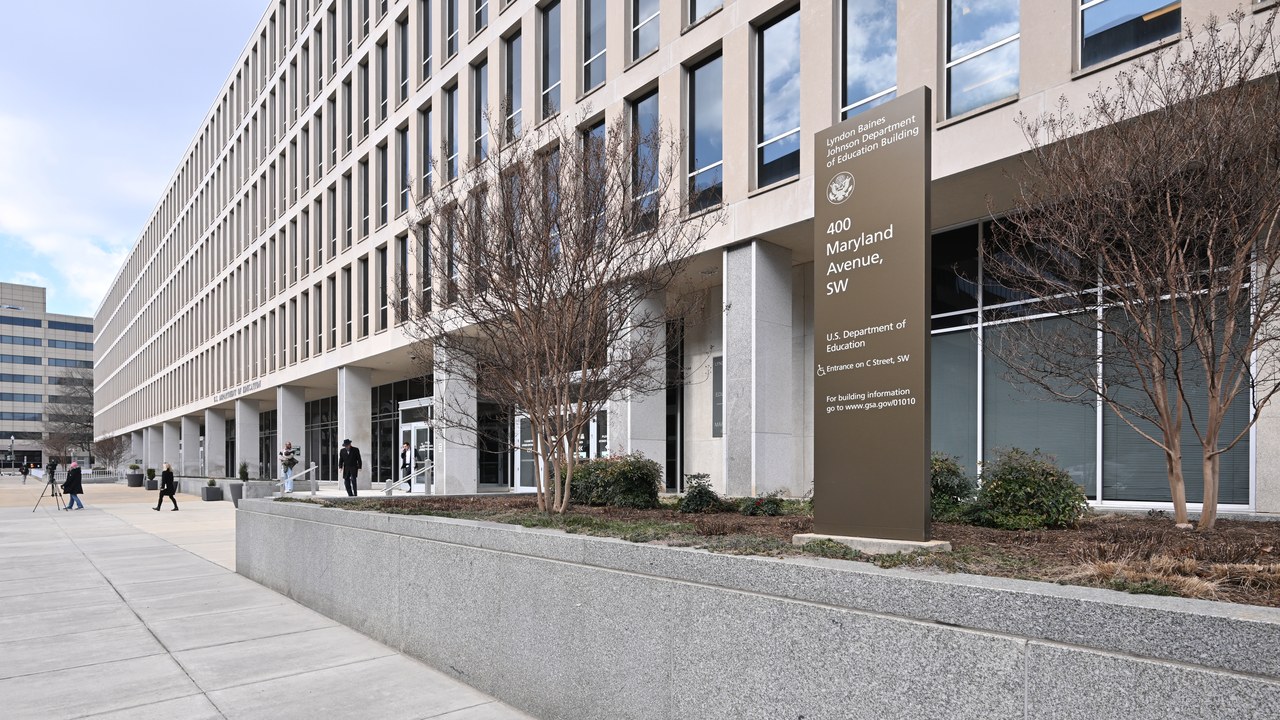
Federal student loan borrowers who set up automatic payments before September 30, 2026, will lock in a full percentage point off their interest rate through June 2028, the U.S. Department of Education announced. The reduction applies to Direct Loans issued after July 1, 2012, and arrives alongside new income-driven repayment options rolling out the same summer. Enrollment sits at just 40 percent of borrowers, less than half the pre-pandemic auto-pay rate of more than 80 percent, meaning most eligible borrowers are currently on track to miss a rate cut worth real money over the life of a loan.
How a 0.25-Point Perk Became a Full Point
Auto pay has long carried a modest reward on federal student loans: enroll, and a servicer knocks 0.25 percentage points off the interest rate for as long as the automatic payments continue. The Education Department’s June 18 announcement triples that incentive by adding another 0.75 percentage points on top of it, producing a combined 1 percentage point cut that took effect July 1, 2026. Under Secretary of Education Nicholas Kent framed the move as a way to keep borrowers current, saying the department expects the incentive to “drive up repayment rates and significantly improve the overall health of the federal student loan portfolio.” The larger discount runs only through June 30, 2028, and only for Direct Loans that originated after July 1, 2012 — the population the department is most focused on nudging back into consistent, on-time payments.
Free account checkup: Social Security and VA deposits have protections from garnishment, but accounts still get frozen by mistake. Get the free protected-benefits checkup.
Who Has to Act Before September 30, and Who Doesn’t
Borrowers already enrolled in auto pay do not have to do anything; their servicer applies the extra 0.75-point cut automatically now that the July 1 effective date has passed. Everyone else has to log into their loan servicer’s account, select auto pay from the navigation menu, and enter bank account details before the window closes on September 30, 2026, following the steps on the department’s auto-pay enrollment page. Borrowers currently in default face an extra step: they must first log into StudentAid.gov, consolidate the defaulted loans, and select a repayment plan before auto pay becomes available to them. Borrowers who had been parked in the now-discontinued SAVE plan are also covered once they choose a replacement plan, since SAVE is being phased out as the two new repayment options arrive.
Auto Pay Enrollment Fell From 80 Percent to 40 Percent
Before the pandemic, more than 80 percent of borrowers in active repayment used auto pay, according to the department’s own figures. That share has since fallen to 40 percent, a collapse the three-and-a-half-year federal payment pause helped cause, since accounts that lapsed or moved to a new servicer during that stretch often dropped out of auto pay along the way. The gap matters beyond the interest-rate math: staying in auto pay is also treated as evidence of the reliable, on-time monthly payments required to advance toward Public Service Loan Forgiveness, which discharges remaining balances after 120 qualifying payments. Letting auto pay lapse does not just give up a quarter- or full-point discount; a missed or late payment during that gap can also interrupt progress toward that 120-payment count.
New Repayment Plans Launch the Same Week as the Rate Cut
The rate reduction landed alongside two repayment plans required under the Working Families Tax Cuts Act: the income-driven Repayment Assistance Plan (RAP) and a new Tiered Standard plan, detailed in the department’s fact sheet on the new options, with fixed terms of 10, 15, 20 or 25 years based on the size of a borrower’s balance. RAP ties the monthly payment to income and household size and includes a payment-matching feature designed to stop interest from piling up faster than the balance goes down. The department is also letting borrowers consent to share federal tax information directly with the IRS during an income-driven repayment application, cutting out the manual income-verification step that has slowed applications in past years. The department has paired the two rollouts deliberately: its June 18 announcement urges borrowers choosing RAP or the Tiered Standard plan to enroll in auto pay in the same sitting, so the interest-rate cut and the new plan’s protections take effect together before the September 30 deadline closes.
When Automatic Payments Meet a Frozen Bank Account
Automatic payments only work as long as the account behind them stays open and reachable. A checking or savings account that gets frozen by a bank’s own error, garnished by a debt collector, or tied up in a dispute can knock a borrower out of auto pay at the exact moment a servicer expects the deduction to clear. Federal benefit deposits carry specific protections against that kind of freeze, but the rules are easy to miss until an account is already locked.
The Bank Account & Debt Protection Kit opens with the 2-month bank protection rule that shields recent federal deposits from garnishment, then walks through the debt-validation steps for challenging a collector’s claim before it ever reaches an account.
See the 2-month bank protection rule in The Bank Account & Debt Protection Kit.
AI-assisted research and drafting; reviewed by an editor.


