
Category: Saving & Banking
-
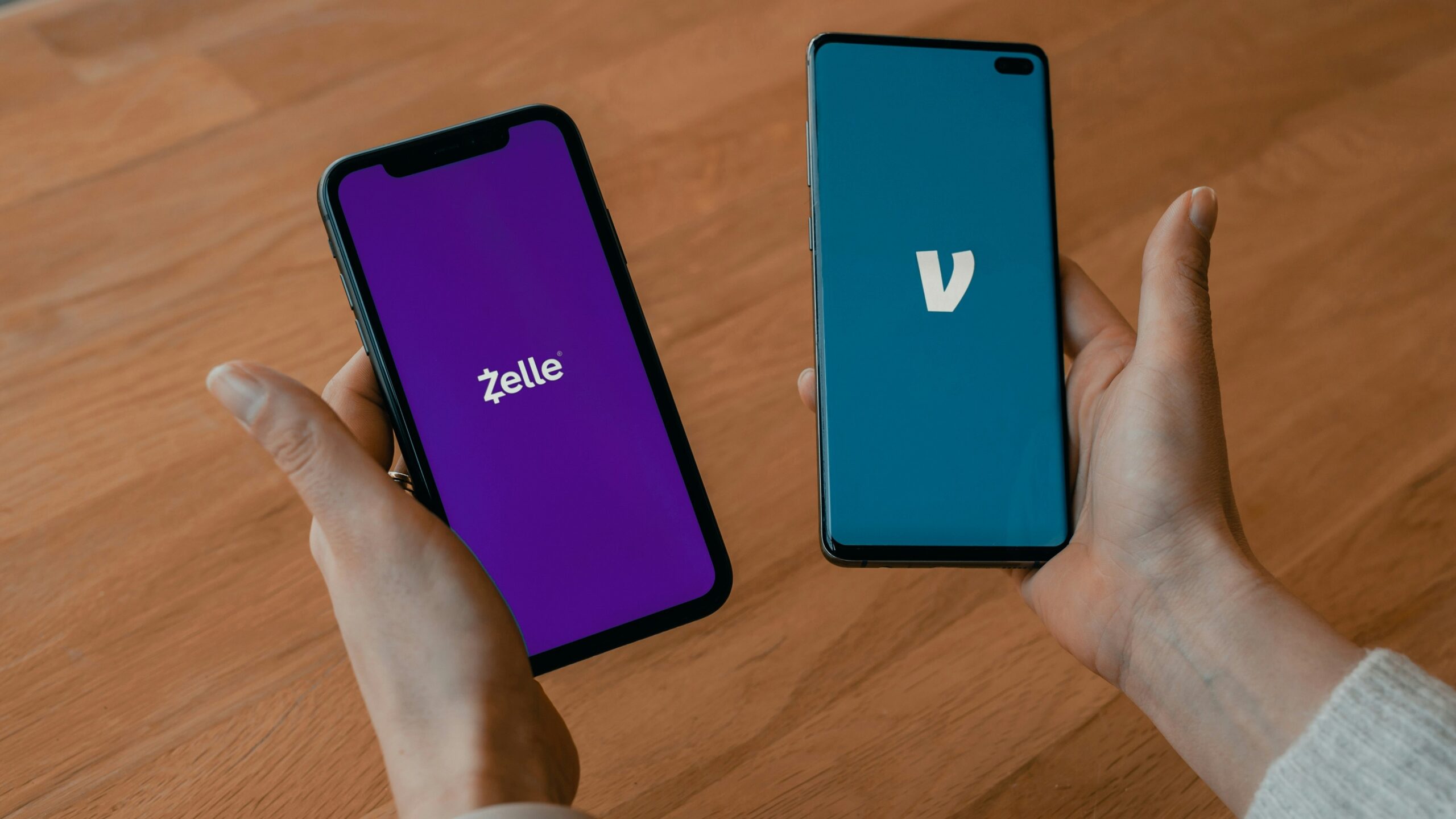
Wire Transfer Fees vs. Zelle vs. ACH: What Each Costs
Wires, Zelle and ACH all move money — at very different costs, speeds and protections. Which to use when, and the fraud rules behind each.
-
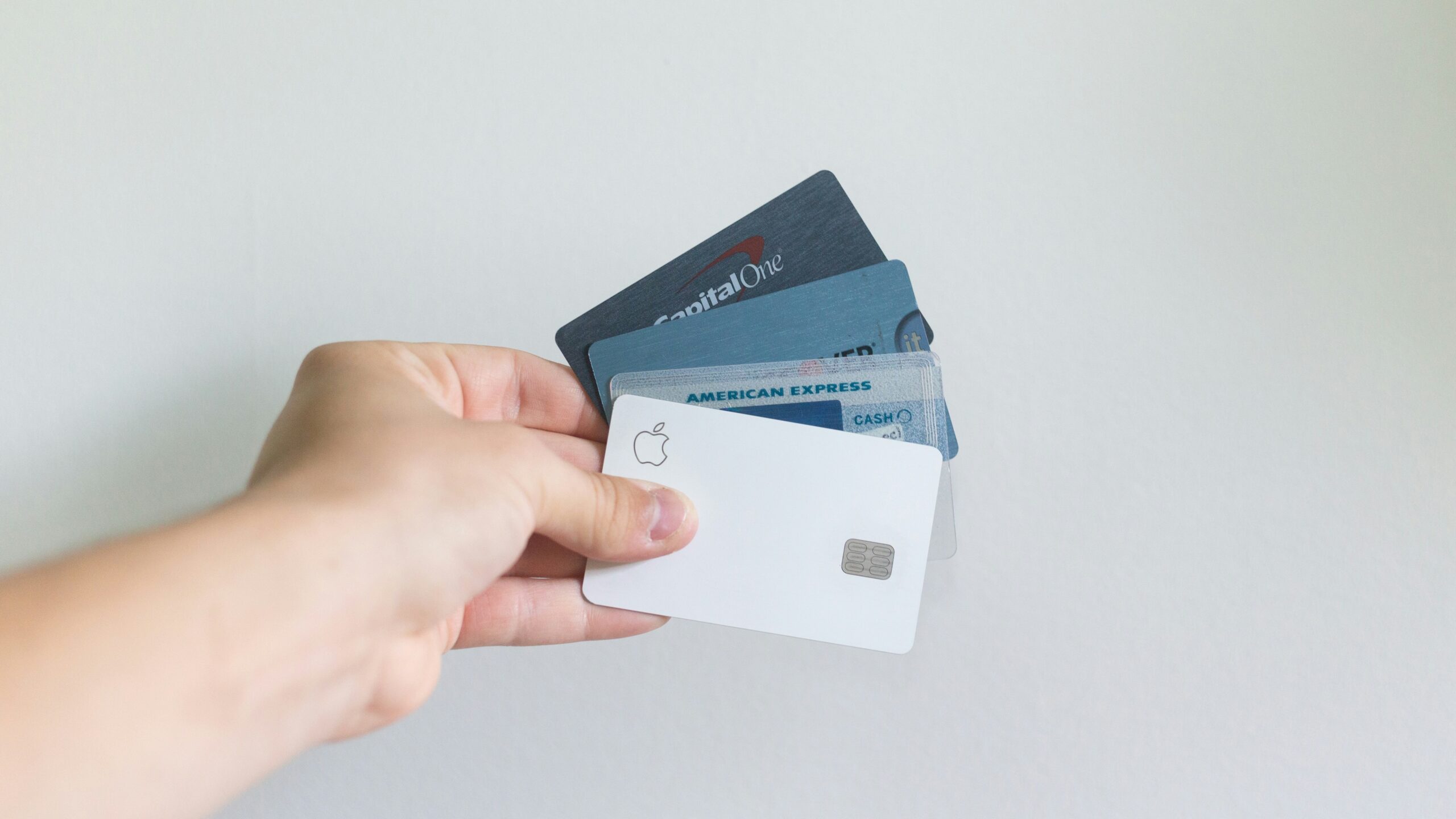
Secured Cards: Rebuilding Credit With a Small Deposit
A secured credit card turns a few hundred dollars into a working credit history. How the deposit works, what to check first, and how to graduate.
-
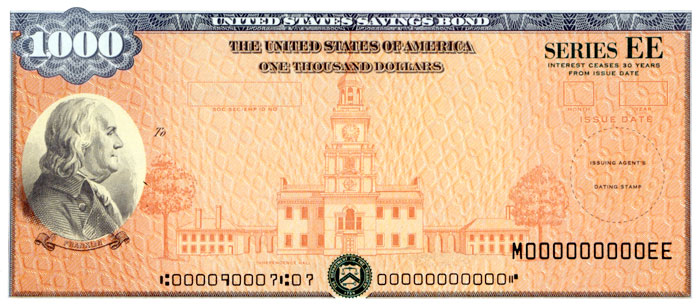
Old Savings Bonds Stop Earning: How to Cash Them In
Savings bonds stop earning interest after 30 years. Here is how to check a drawer full of paper bonds, use Treasury Hunt, and cash them in the right way.
-

Late Fee Rules for Credit Cards: Where the Cap Stands
The $8 credit card late fee cap was struck down in court. Here is what issuers can legally charge now, and the protections that still apply to you.
-
Balance Transfers: What 0% Really Costs
A 0% balance transfer can save serious interest, but the fee, the clock, and the fine print decide whether it works. Here is the math to run before you move debt.
-

Buying T-Bills at TreasuryDirect: A Beginner’s Walkthrough
Treasury bills are a simple, safe place for short-term cash, and you can buy them directly from the government. Here is how the process works, step by step.
-

Payable on Death: The Bank Form That Skips Probate
A payable-on-death designation sends your bank money straight to a named beneficiary and can raise FDIC coverage to $250,000 per beneficiary. How it works.
-

New I Bond Rate Takes Effect May 1: Worth Buying Now?
I bonds bought May through October 2026 earn 4.26% for six months, with a 0.90% fixed rate for life. Here’s how the rate works and who should buy.
-
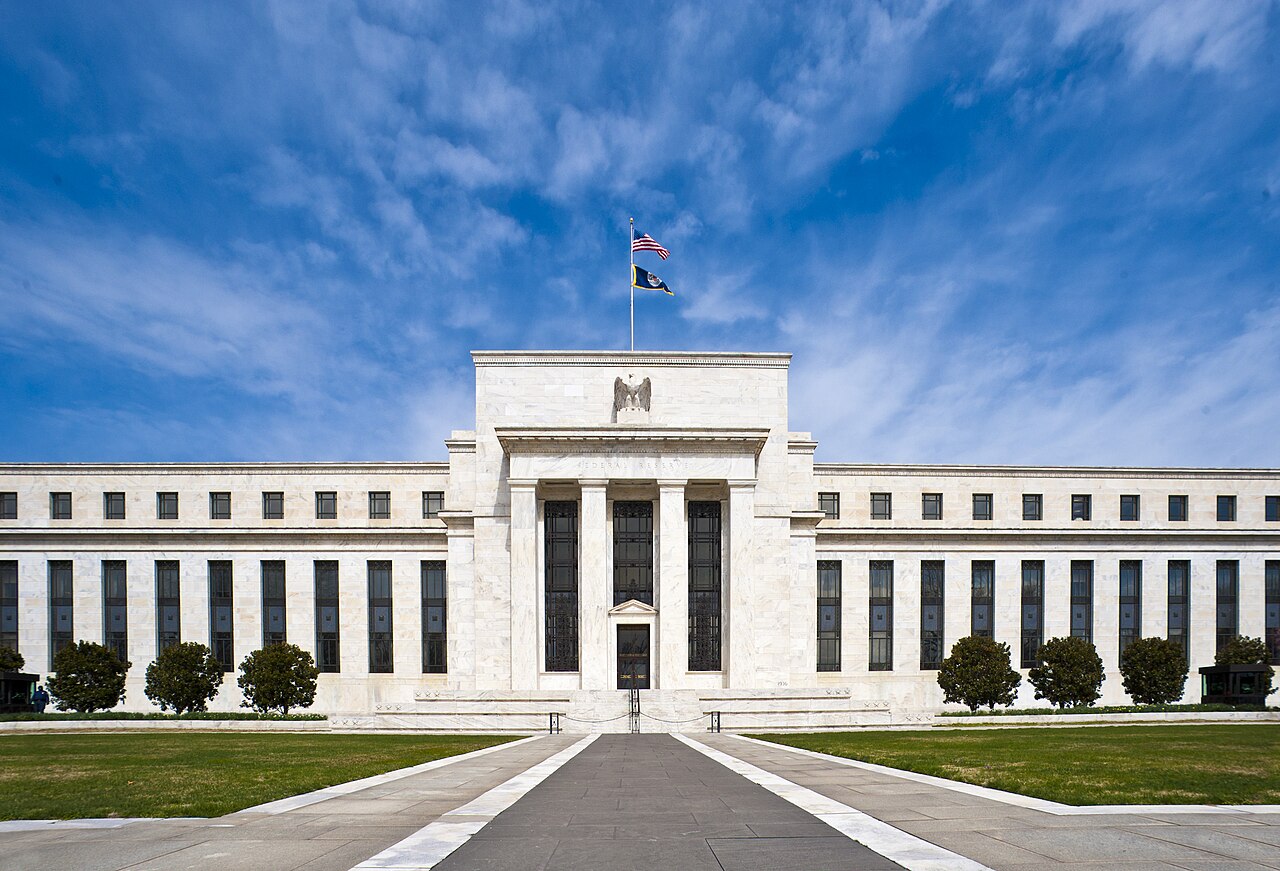
What the Fed’s April Decision Means for Your Savings
The Fed held rates at 3.5%-3.75% on April 29 with four dissents. What the decision means for savings accounts, CD shoppers, and your next move.
-

APY vs. Interest Rate: A Two-Minute Explainer
APY and interest rate are not the same number. Here’s the difference, the math behind compounding, and why the APY is the only number worth comparing.
