
Category: Utilities & Energy
-
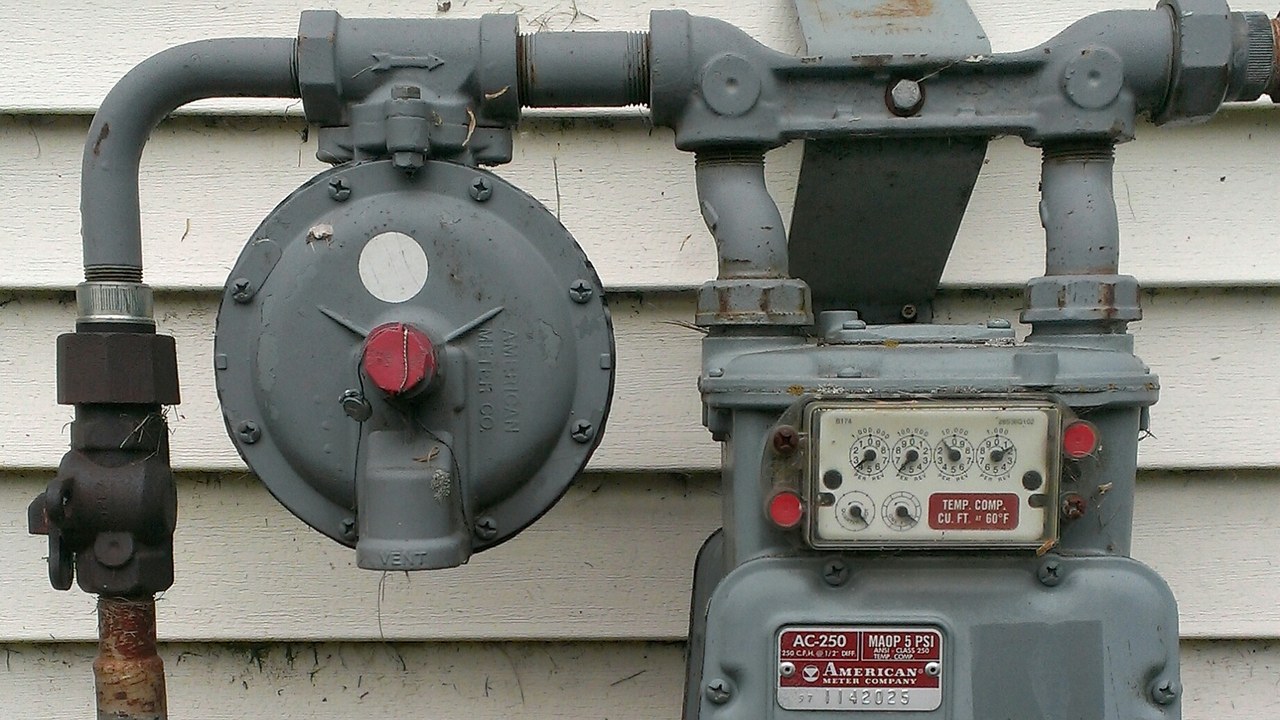
Colorado approved an 8.6 percent natural gas increase that takes effect October 6, three weeks before the cold
Colorado’s Public Utilities Commission approved a settlement on September 4 that raises Xcel Energy’s natural gas rates starting October 6, even after cutting the utility’s original request by more than a third. Residential customers will see their monthly bill climb 8.6 percent, or $5.16, while small businesses take on a 9.2 percent increase of $22.76.…
-
Heating bill help opens October 1 with no money appropriated behind it
Heating season does not wait for Washington to finish its budget, and this year the two calendars are drifting apart. The Low Income Home Energy Assistance Program’s operating year begins on October 1, the date written into the statute that runs it, and every state has already filed the paperwork needed to open its share…
-
Home heating oil costs 52 percent more than a year ago, and the heating season has not started
The Bureau of Labor Statistics’ latest Consumer Price Index report shows home heating oil prices up 52 percent over the 12 months ending in August, the sharpest increase of any energy category the agency tracks. That number is already on the books even though the heating season for most oil-burning furnaces typically does not start…
-
More than 275 utilities have raised, won approval for, or proposed rate increases since 2025
A rate increase does not land on a household’s bill the moment a utility asks for one. It moves through a public process that can take a year or more, and a request filed with state regulators this month might not show up on a statement until next winter — or never, if regulators trim…
-

Heating oil is projected to cost 31.3% more this winter, the steepest jump of any fuel
Not every household will feel this winter’s fuel bills the same way. Most homes that heat with electricity, natural gas or propane are facing increases in the high single digits compared with last winter — unwelcome, but familiar. Households that still burn heating oil are looking at something else: a projected 31.3 percent increase, the…
-
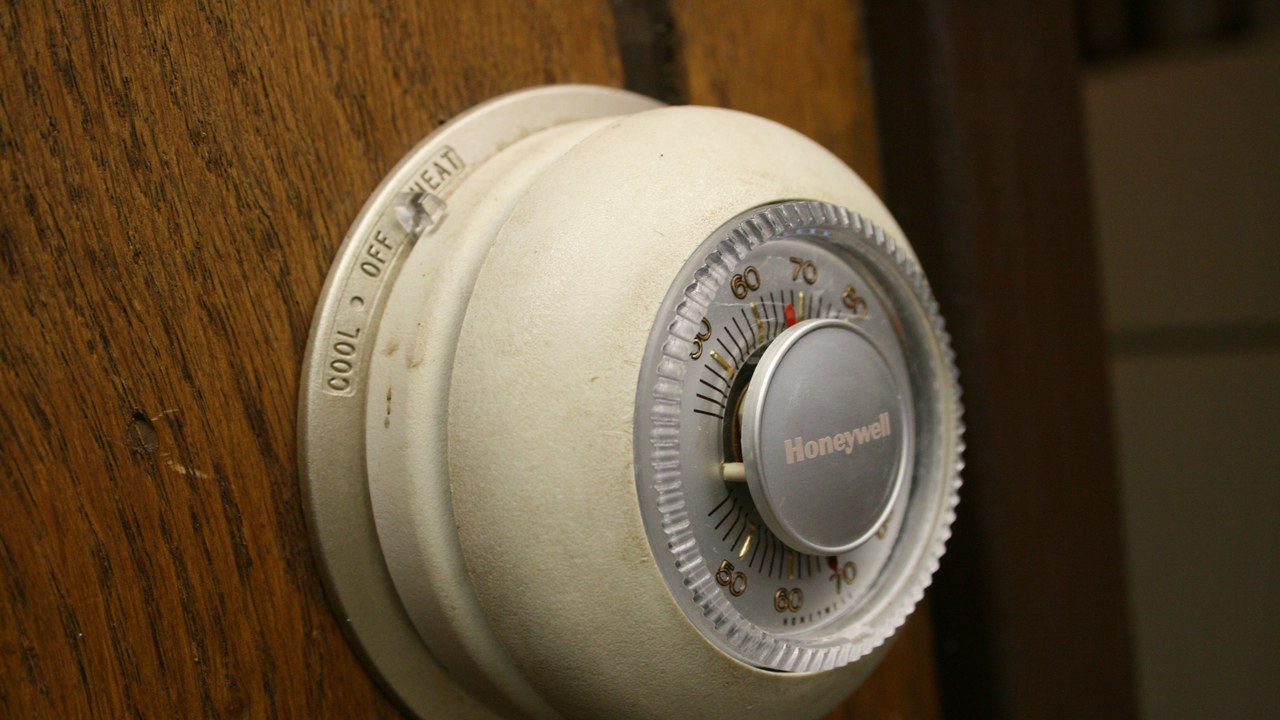
Heating a home this winter is projected to cost $1,030, up $82
A typical U.S. household is on track to pay $1,030 to heat its home this winter, an increase of $82, or 8.7 percent, over last season’s total. The National Energy Assistance Directors Association, which represents the state directors who run the Low Income Home Energy Assistance Program, published the projection on September 14. The forecast…
-

AT&T is charging $10 more a line on retired unlimited plans, showing up on August bills
AT&T customers who never switched off an older unlimited plan are seeing a new line item on their bill this month. The change, spelled out on AT&T’s own support site, adds a flat monthly charge to a set of retired wireless plans, with the amount depending on how many lines share the account. Customers who…
-
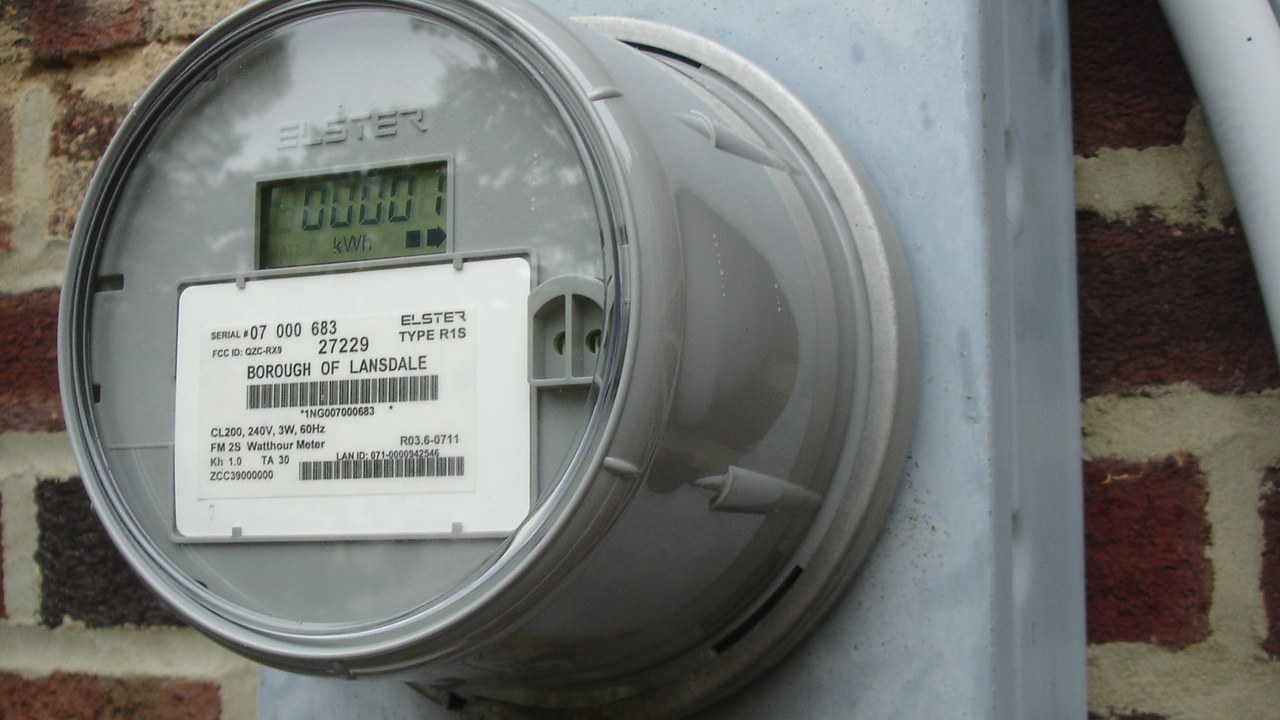
EIA projects the average household will pay 18.6 cents a kilowatt-hour in 2027, up from 16.5 in 2024
The federal government’s main energy forecaster expects the average U.S. household’s electricity rate to keep climbing over the next two years, even as the pace of the increase slows from where it has been. The Energy Information Administration’s September Short-Term Energy Outlook puts the residential price at 18.6 cents per kilowatt-hour in 2027, up from…
-

Fuel oil prices rose 10.1 percent in August alone, with the heating season weeks away
Fuel oil prices jumped 10.1 percent in a single month, the U.S. Bureau of Labor Statistics reported this month in its latest Consumer Price Index summary, just as the households that heat with it start thinking about their first delivery of the season. Fuel oil is a small line in most family budgets nationally, but…
-

The government expects diesel stockpiles to fall below 100 million barrels in October, a first since 2003
The U.S. Energy Information Administration said this week that the nation’s stockpile of diesel fuel is on pace to fall below 100 million barrels in October, a level the country has not seen since 2003. The forecast, published in EIA’s September Short-Term Energy Outlook, means the fuel that moves nearly every truck, train and tractor…