
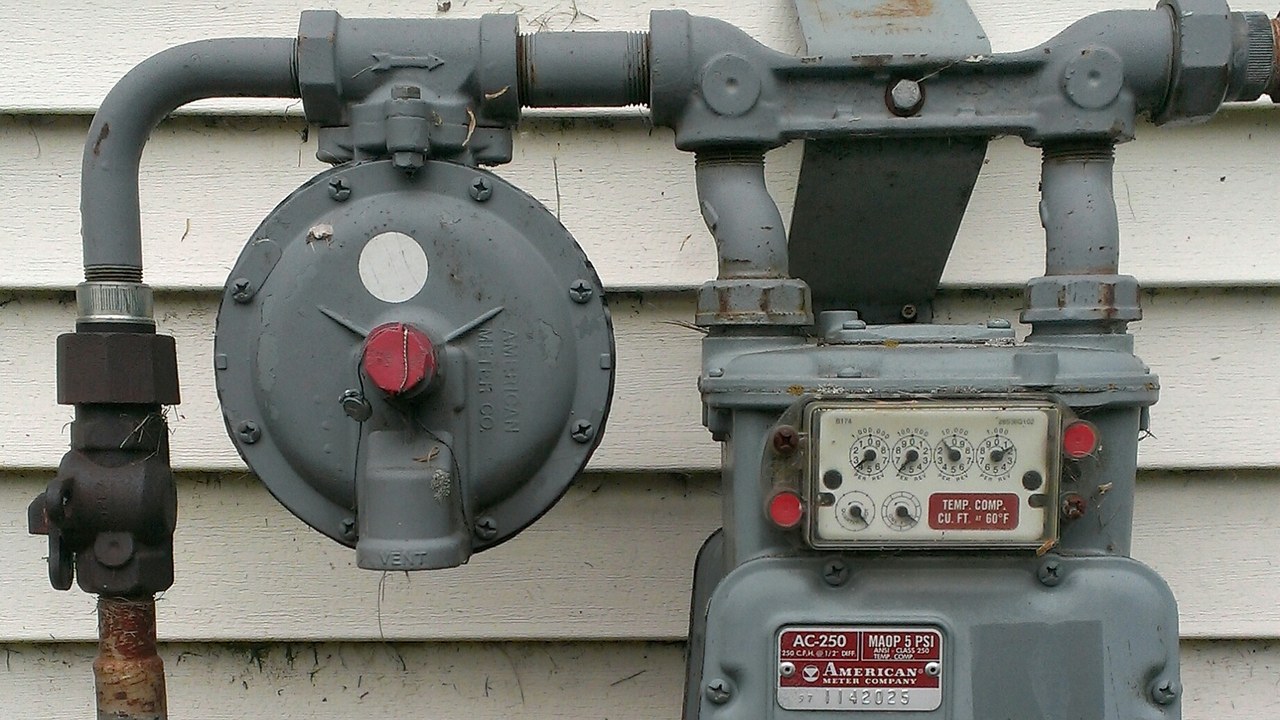
Colorado’s Public Utilities Commission approved a settlement on September 4 that raises Xcel Energy’s natural gas rates starting October 6, even after cutting the utility’s original request by more than a third. Residential customers will see their monthly bill climb 8.6 percent, or $5.16, while small businesses take on a 9.2 percent increase of $22.76. The new rates land about three weeks before Colorado’s heating-assistance calendar even opens, leaving households to absorb the higher bill before the state’s main safety net for winter heating costs is ready to take an application. The decision also spells out where households squeezed by the timing can turn in the meantime.
Xcel’s Ask Got Smaller, the Bill Didn’t
Xcel Energy asked the Commission in December to raise its natural gas base rates by $190 million a year under Proceeding No. 25AL-0538G, citing pipeline safety work, system modernization and preparing the grid for peak winter demand. After months of testimony and public comment hearings, the parties filed a settlement on July 13 that the Commission approved on September 4, cutting the annual revenue increase to $122.7 million, a 35 percent reduction from what Xcel originally sought.
That reduction pulled the residential rate hike down from a proposed 11.4 percent to 8.6 percent, and the small-business increase from 13.0 percent to 9.2 percent. A smaller increase is still an increase, though: the average residential gas bill still rises $5.16 a month and the average small-business bill rises $22.76 once the new rates take hold on October 6. The same decision directs $5 million in Xcel shareholder funds, not customer money, into the utility’s own Gas Affordability Program, adding bill credits and disconnection protections for income-qualified customers who apply directly through the utility rather than waiting on a state calendar. Per the Commission’s rate-case docket, a final written order is expected around October 1, after which any party has 20 days to ask for reconsideration, a step that does not push back the October 6 date already adopted.
Free download: Property-tax freezes, exemptions and circuit-breaker credits, plus LIHEAP and shutoff protections, and what to gather before applying. Get the free property tax and utility relief finder.
Heating Help Runs on a Different Calendar
Colorado’s main tool for winter heating bills, the Low-income Energy Assistance Program, does not open for the 2026-27 season until November 1 and closes April 30. That leaves close to four weeks between the October 6 rate change and the day a household under strain can even file a LEAP application. LEAP pays its benefit directly to a household’s heating supplier once approved, and eligibility generally requires gross monthly income at or below 60 percent of the state median income; for the coming season, that ceiling is $3,774 a month for a single person and $7,258 for a household of four. Applications go through the state’s PEAK website or by mail once the window opens, and a complete filing is typically processed in 10 to 25 days, though a shutoff notice or an empty propane tank can move a case through in about 10 days once flagged as an emergency. The same low-income energy statute also funds a separate Property Tax, Rent and Heat Credit rebate, worth up to $660 toward property tax and $192 toward heat costs and run through the Colorado Department of Revenue, for qualifying seniors and residents with disabilities.
A Repair That Doesn’t Wait for November
Not every option on the books is seasonal. Colorado’s Weatherization Assistance Program runs year-round for income-qualified homes and covers insulation, air-leak sealing and furnace repair or replacement rather than a one-time bill credit. A free home energy audit determines what a specific house needs, and renters can qualify with the property owner’s permission, while apartment or condo buildings of five units or more apply through a separate multifamily provider. The tradeoff is that the fix is meant to last: a home weatherized within the past 15 years is not eligible for another round, and depending on funding and local demand, some households are placed on a waiting list rather than served immediately. For a household staring at a higher gas bill in October, weatherization won’t lower next month’s payment, but it is the one program on this list that doesn’t ask anyone to wait for a calendar date just to file the paperwork.
Between the Rate Hike and the Relief Season
A rate case moves on its own schedule, and the programs built to soften it move on another: LEAP’s mailbox, a property-tax exemption’s filing window, a circuit-breaker credit’s renewal date all fall on different days than the bill increase they are meant to offset. Few households track more than one of those dates at a time, and a missed window usually means waiting for the next one. The gap is exactly where paperwork gets lost or a deadline passes unnoticed.
The Senior Property Tax & Home-Cost Relief Kit spells out the five kinds of property-tax relief available to older homeowners alongside an application log and renewal calendar for keeping track of what was filed and when.
See the heating, cooling and home-repair help in The Senior Property Tax & Home-Cost Relief Kit.
AI-assisted research and drafting; reviewed by an editor.


