
Category: Utilities & Energy
-
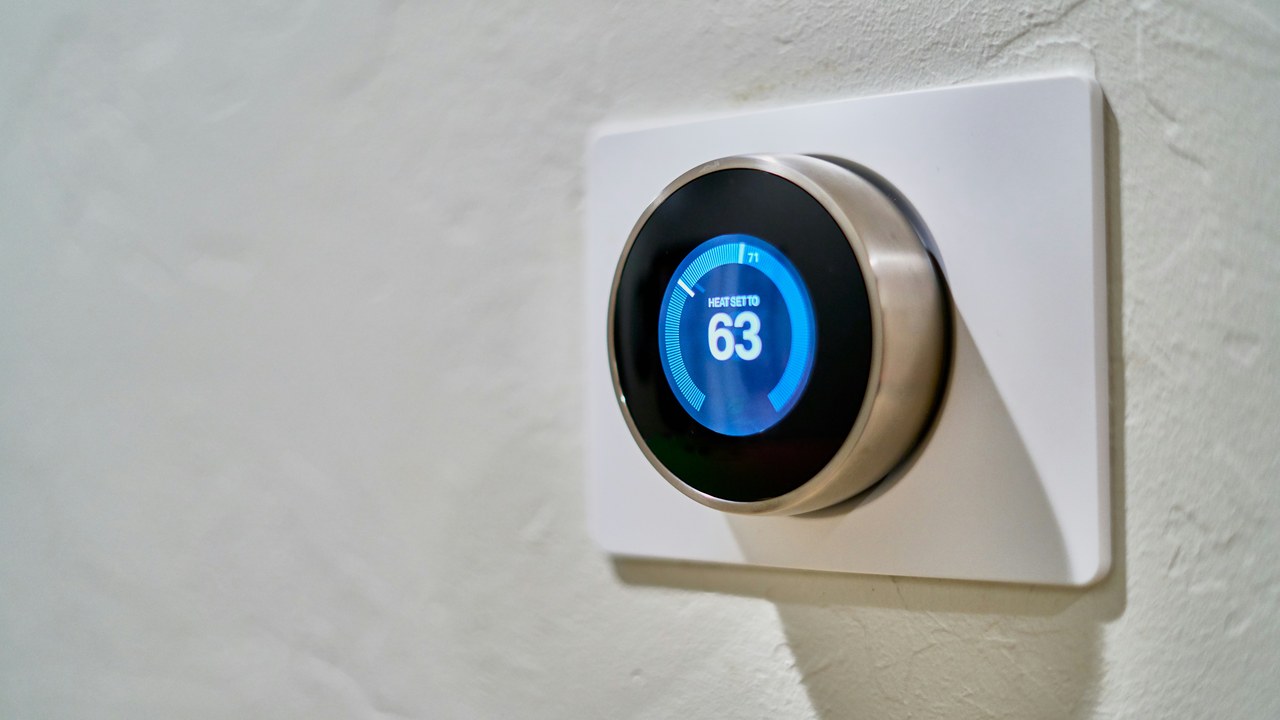
El Dorado County energy aid takes a single person earning up to $3,331.67 a month
A single person in El Dorado County can have gross income of up to $3,331.67 a month and still apply for help with energy bills. That is the one-person limit in the county’s 2026 income table, and El Dorado County Health and Human Services says its Home Energy Assistance Program is accepting applications now. The…
-

Iowa residents 60 and older could apply for heating help from October 1, and everyone else can apply from November 1 until April 30
Iowa’s winter heating help has been open since October 1 for households with someone 60 or older, and everyone else can start applying on November 1. The Low Income Home Energy Assistance Program, known as LIHEAP, takes applications for the rest of the winter, through April 30, 2027. That makes two groups and three dates:…
-
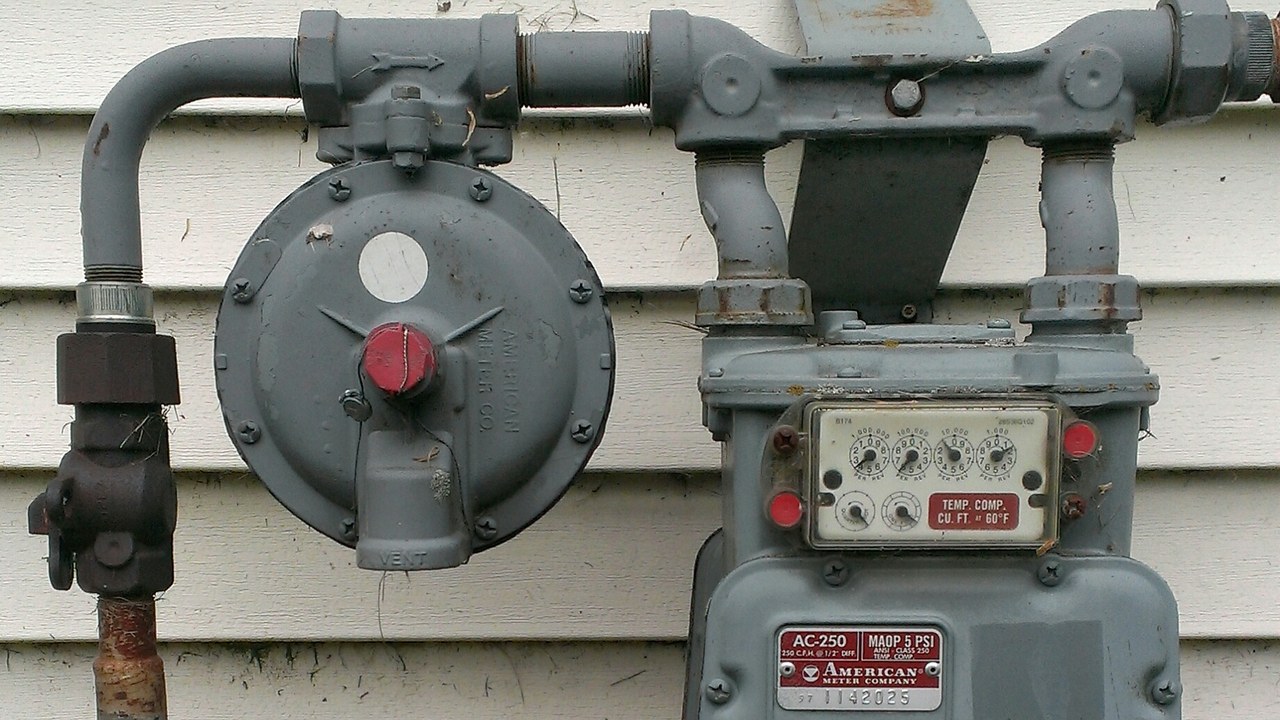
Missouri gas customers who broke a winter payment plan can get service restored by paying half the balance or $500, whichever is less, under the Cold Weather Rule
Missouri gas customers who broke a winter payment plan can get service restored by paying half the balance or $500, whichever is less, under the Cold Weather Rule. The Missouri Public Service Commission says the rule runs November 1 through March 31, and that a gas customer who breaks a payment agreement pays an initial…
-
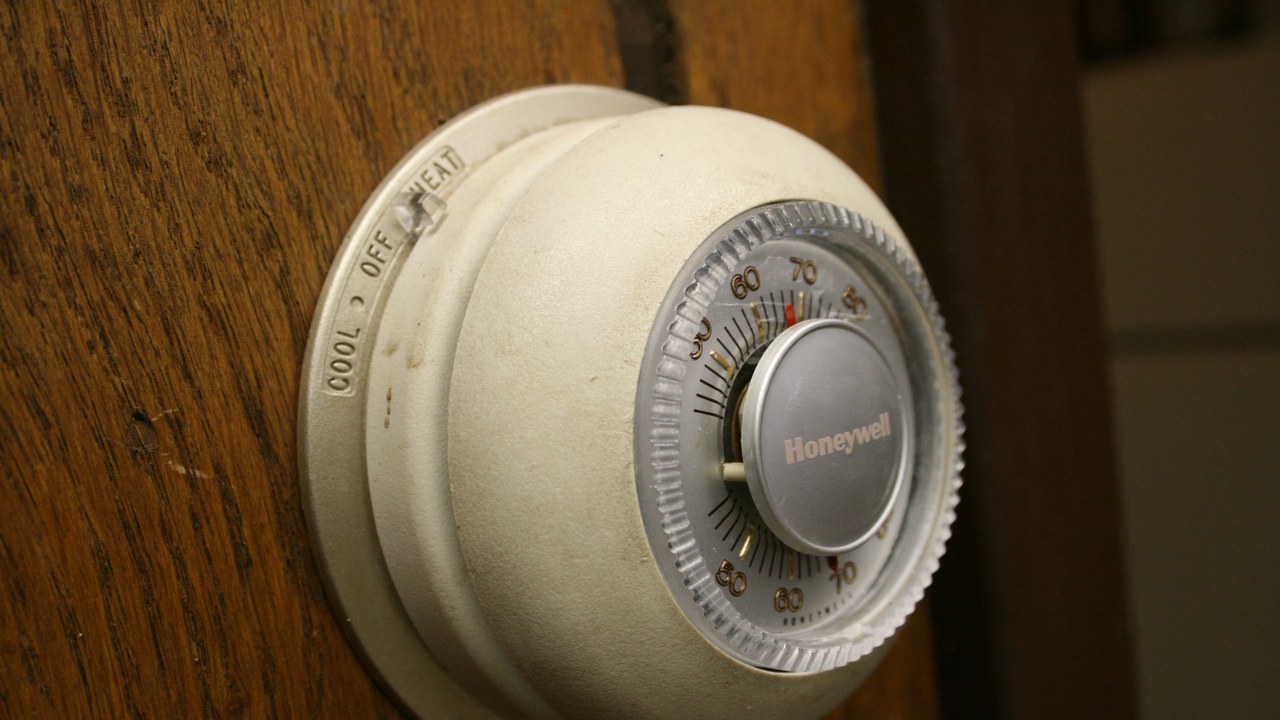
Virginia households have until November 13 to apply for state fuel assistance this winter, and crisis help for broken heating equipment opens November 1
Virginia households have until Friday, November 13 to apply for the state’s fuel assistance this winter, and crisis help for broken heating equipment opens November 1. The Virginia Department of Social Services sets the fuel assistance window from the second Tuesday in October through the second Friday in November, which in 2026 runs October 13…
-
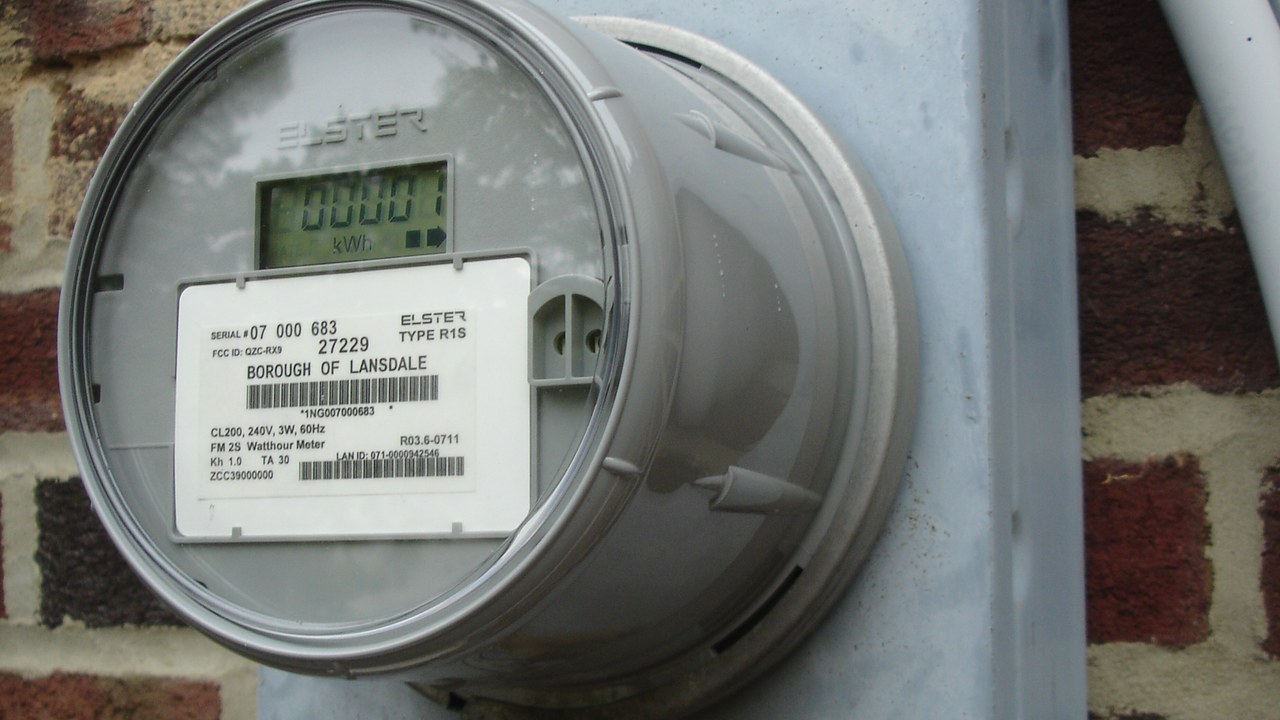
Madison Gas and Electric customers are due about $7.4 million in credits on October bills after Wisconsin regulators ordered a fuel-cost refund
Madison Gas and Electric customers are due about $7.4 million in credits on their October 2026 bills. The Public Service Commission of Wisconsin directed the refund on July 9, 2026, after accepting the utility’s 2025 fuel reconciliation, a yearly accounting of what fuel and power really cost against what customers were charged. The exact figure…
-
Pennsylvania utilities cannot shut off service December 1 to March 31 for households at or below 250% of the poverty level
Pennsylvania’s winter shutoff ban starts December 1 and runs through March 31, and it reaches households with income well above the usual poverty line. The state’s Public Utility Commission says its Winter Moratorium protects consumers from utility termination between those two dates, with income guidelines that go up to 250 percent of the federal poverty…
-
Massachusetts utilities start tiered discount rates November 1 as regulators seek longer shutoff protection
Massachusetts gas and electric utilities will begin offering tiered discount rates to income-eligible customers on November 1, 2026. The state Department of Public Utilities, known as the DPU, says so on its winter bills page, and the same page says the department has asked to lengthen the winter ban on heating shutoffs. The discount is…
-
More than 227,000 Ohioans used the state’s $175 winter reconnect rule last winter, and it runs again through April 16 with no income limit
Ohio’s winter reconnect order is back for another heating season, and last year’s numbers show how many households leaned on it. The Public Utilities Commission of Ohio says more than 227,637 Ohioans used the Special Reconnect Order last winter, and the agency has renewed it for Oct. 12, 2026 through April 16, 2027. Under the…
-
Washington households under the energy-aid income limit can keep electric heat on from November 15 to March 15 if they notify the utility, apply for heating help and pay no more than 7% of income
Washington electric customers on a low income have a winter protection written into state rules. Between November 15 and March 15, a utility may not disconnect a qualifying customer’s residential space heating service, provided the customer meets a short list of conditions, according to WAC 480-100-143, the Utilities and Transportation Commission’s winter low-income payment program.…
-
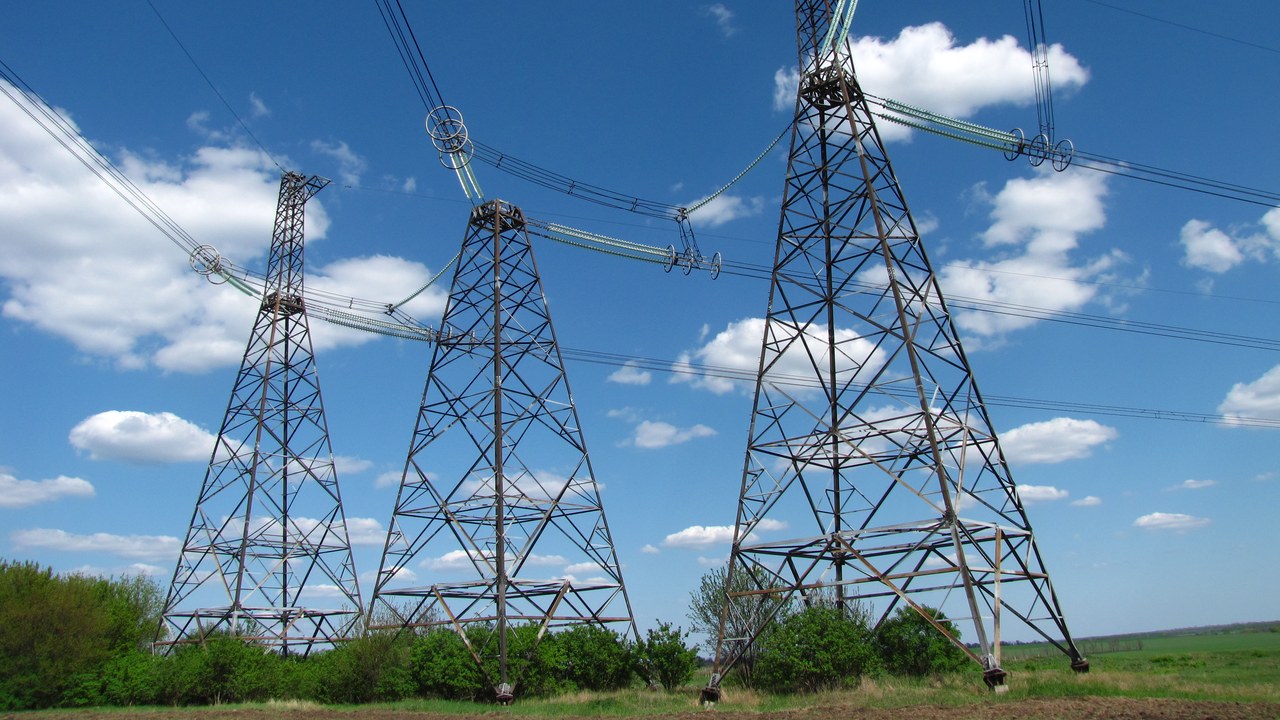
Georgia power customers behind on bills cannot be cut off from November 15 to March 15 on freezing days if they sign a written payment plan
Georgia electric customers who have fallen behind on their bills get a cold-weather shield starting November 15. Between that date and March 15, a utility may not shut off residential electric service on a day when the forecast is below freezing, as long as the customer has agreed in writing to a payment plan, the…