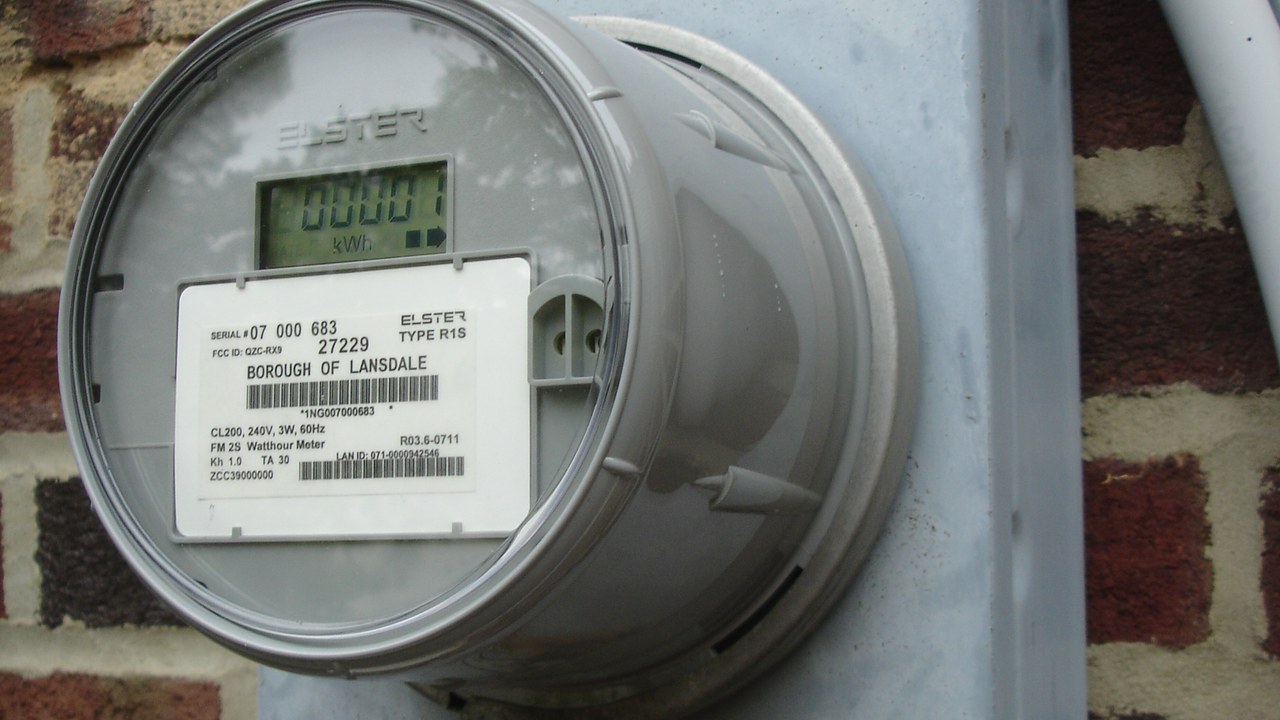
Madison Gas and Electric customers are due about $7.4 million in credits on their October 2026 bills. The Public Service Commission of Wisconsin directed the refund on July 9, 2026, after accepting the utility’s 2025 fuel reconciliation, a yearly accounting of what fuel and power really cost against what customers were charged.
The exact figure is $7,405,885, according to a Citizen Portal summary of the commission’s meeting, published July 10. The summary says the commission accepted the reconciliation unanimously and that the money is to be applied to October 2026 bills.
The open question for a Madison-area household is whether it is one of the customers getting a share. The summary says the refund goes to customers but describes no eligibility test and no application. It also gives no per-customer amount, because the money is split by customer class rather than by household. Anyone with an MGE electric account can look for a credit on the October statement, and MGE’s customer service line is 608-252-7000, Monday to Friday, 8 a.m. to 6 p.m.
What changed this year: Social Security and Medicare change every year, and nobody sends you a memo. The Retirement Money Brief breaks down what changed and what to do.
Get the Retirement Money Brief →
We may earn a commission from links on this page.
What is a fuel reconciliation?
Electric utilities in Wisconsin pass fuel and purchased-power costs through to customers based on an estimate set ahead of the year. When the year ends, the actual costs are compared with what customers paid. If the utility collected more than it spent, the difference can be returned. That is the kind of true-up the commission accepted for MGE’s 2025 costs.
The summary’s headline rounds the total to $7.41 million, and the commission’s vote came on July 9, a day before the summary was posted. The refund is not tied to a new rate cut. It settles last year’s fuel accounting, and the summary says it uses the 2026 fuel cost plan as the basis for dividing the money.
How is the $7.4 million divided?
The summary says the refund uses a class-level allocation method. In plain terms, the $7,405,885 is divided among groups of customers, and each group’s share is then returned to the accounts in it, instead of the refund being worked out one bill at a time. The summary does not name the classes or say how large each class’s share is, and that is why no single per-household figure has been published.
The commission acted at its July 9 meeting. The summary does not include a docket number or the names of the commissioners who voted.
What else is changing on MGE bills this winter?
MGE says on its rates page that a unanimous rate settlement approved by the commission took effect January 1, 2026. Overall electric rates rose 0.15 percent that day, and overall natural gas rates rose 2.77 percent. The refund sits on top of those rates, not in place of them. Customers who also use MGE for natural gas should note that the October credit described in the summary concerns the electric fuel reconciliation.
The commission’s website also notes that the winter heating disconnection moratorium begins on November 1. It encourages electric and natural gas customers with outstanding bills to arrange payments or apply for financial assistance before then. The same site links a commission calendar and a docket search tool for anyone who wants to look up the filing itself.
What is still not known about the credits?
The size of the typical credit is the missing number. The commission’s summary gives the $7,405,885 total and the October 2026 timing, but not a figure per customer or per class. Customers who see no credit on the October statement can ask MGE directly, since the utility applies the refund to bills. A customer who is behind on a payment before November 1 can contact MGE or the commission to arrange payments.
Does the October credit cover the whole winter bill?
A one-time credit of an unstated amount can be gone in a single cold month, and a household that overlooks heating help or a renewal date can end up paying more than it needed to. The rest of the winter bill is where a missed program costs the most.
The Senior Property Tax & Home-Cost Relief Kit covers heating, cooling and home-repair help, and includes an application log and renewal calendar. Its Part 5, on utilities and home costs, is where a household can see the help programs laid out together.
Get the kit’s heating-help section and renewal calendar for the rest of the winter bill →
More Financial Reading
- 21 Ways to Stretch a $2,087 Social Security Check
- 15 Places to Find Your Share of the $4.25 Billion States Give Back
- 21 Ways Retirees Can Raise $1,000 Fast Without a Job
This article was produced with AI assistance and edited for accuracy against the sources linked above.