
Category: Utilities & Energy
-
North Carolina households with someone 60 or older can apply for winter heating aid from December 1, a month before all other households can
North Carolina is opening its winter heating aid to older residents first. The state’s Low-Income Energy Assistance Program, known as LIEAP, takes applications from households with someone 60 or older during December, a full month before every other household can sign up, according to the Department of Health and Human Services. For a household with…
-
Austin Energy’s average electric bill is up about $3.66 a month since October 1
Austin Energy customers are paying a little more for electricity since October 1, when the city-owned utility’s new rates took effect. The utility says the average customer bill will increase by around $3.66 per month, which works out to about $43.92 over a full year. The increase is smaller than the headline percentage suggests, because…
-
Kentucky’s heating subsidy runs only in November and December before crisis aid opens
Kentucky households that want help paying for heat have a short window for the regular benefit. The state’s Low Income Home Energy Assistance Program, or LIHEAP, runs its heating subsidy only in November and December, and a separate crisis component does not open until early January. The program is federally funded, and the Cabinet for…
-
PG&E customers’ average bill could rise $37 a month in 2027 under pending requests, the state’s ratepayer advocate projects
California’s ratepayer advocate says the bill of the average Pacific Gas and Electric customer could climb $37 a month, or 16%, in 2027 if the utility gets everything it has asked for. The projection comes from the Public Advocates Office, the state office that represents utility customers, and it adds up several pending requests rather…
-
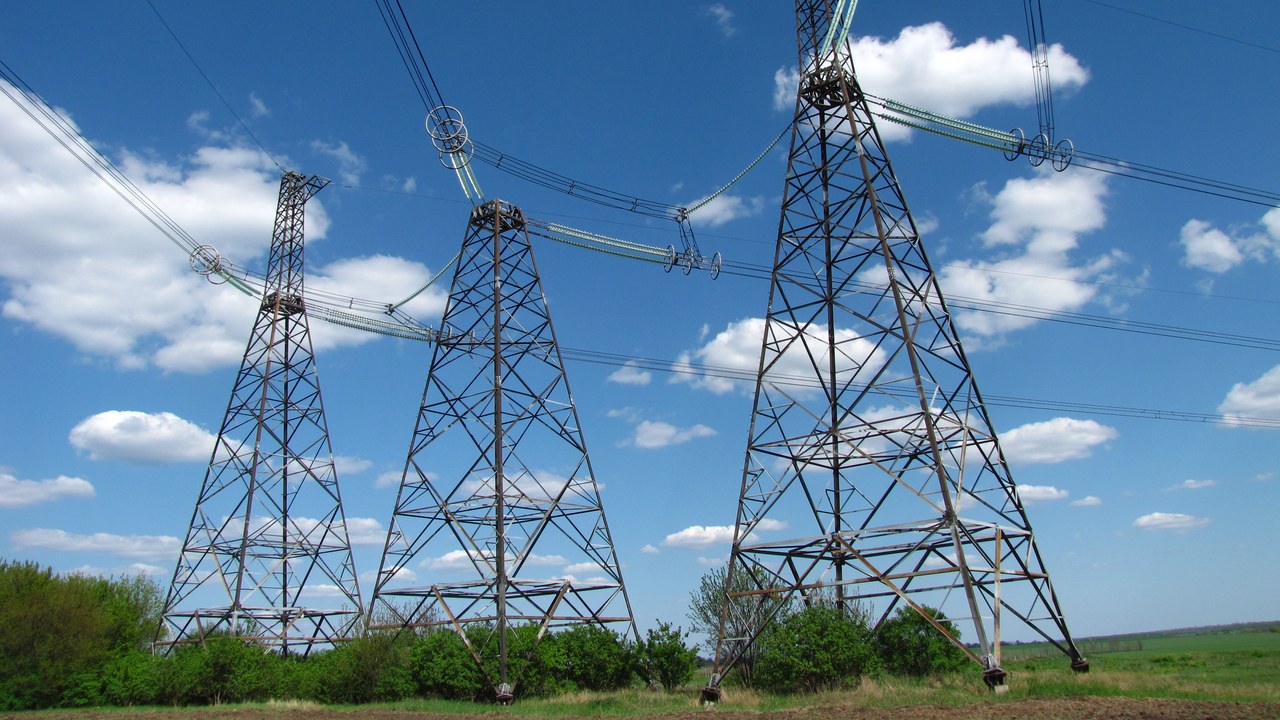
Duke Energy Carolinas home bills would rise $9.39 a month January 1 if approved
Customers of Duke Energy Carolinas in North Carolina would pay $9.39 more a month starting January 1, 2027, if state regulators approve a settlement the utility reached with the state’s Public Staff. The rate case is still pending, and the new rates are not in effect. The figure is for a typical home, and the…
-
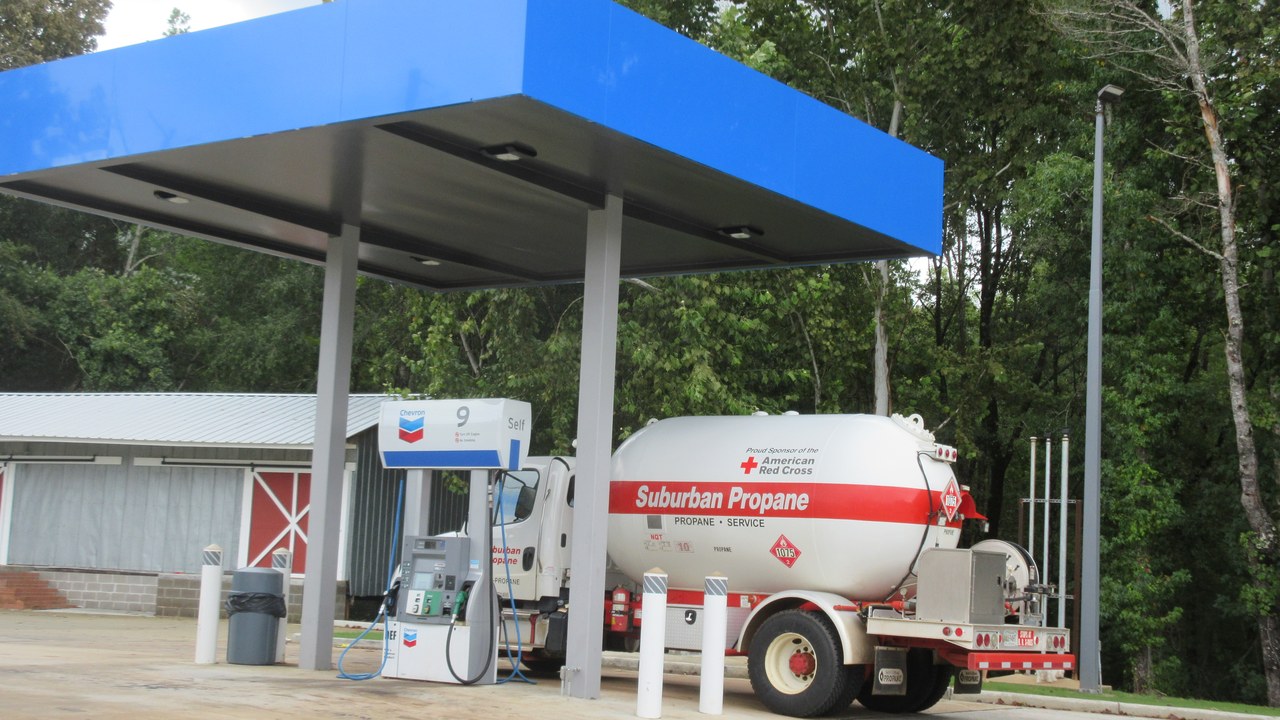
Propane for home heating averaged $2.689 a gallon October 19, $3.872 in New England
Homes that heat with propane are starting the cold months paying more than a year ago. The U.S. Energy Information Administration put the average residential price at $2.689 a gallon on October 19, up 5.6 cents in a week and 25.6 cents from the same week in 2025. Where a house sits decides how hard…
-
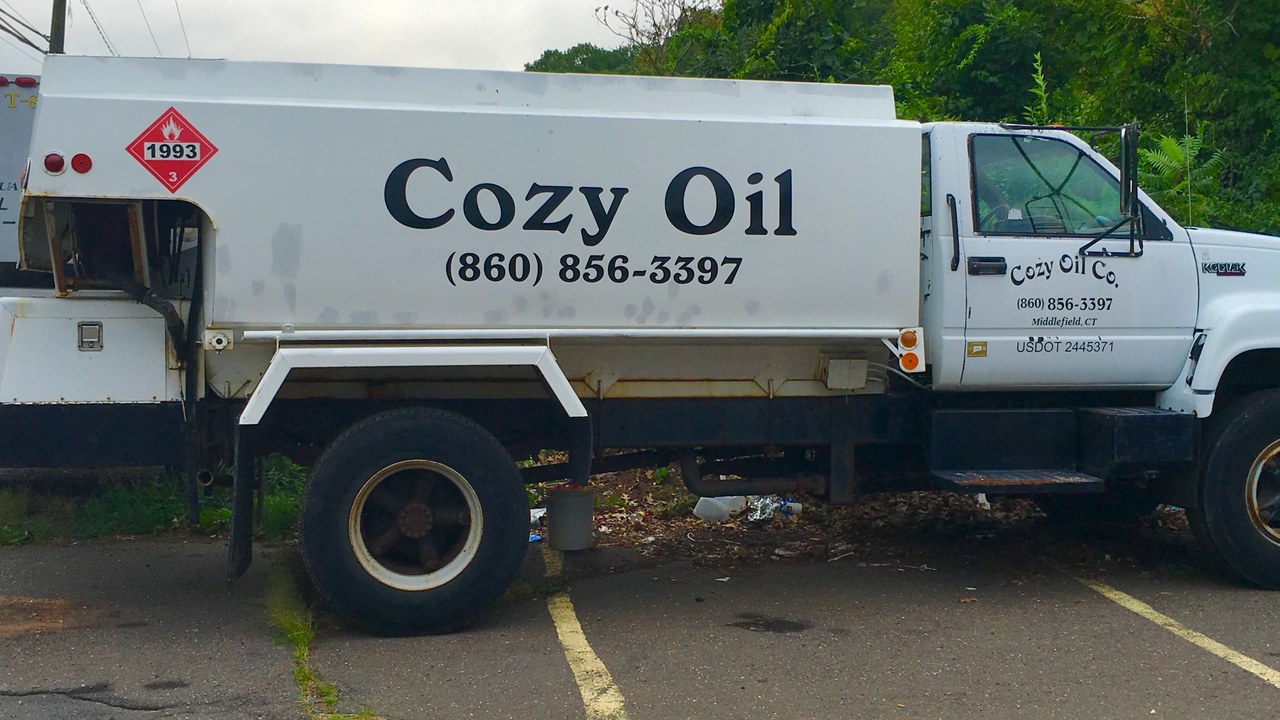
Home heating oil averaged $6.190 a gallon October 19, up $2.66 in a year
Households that heat with oil are starting the season at a much higher price. The U.S. Energy Information Administration put the national average for residential heating oil at $6.190 a gallon on October 19, up $2.664 from the same week a year earlier and up 5.2 cents from the week before. The figures, published Wednesday,…
-
Winter shutoff protections start November 1 in at least eight states, Arkansas to Montana
Utility companies in at least eight states have to hold off on cutting power or gas to homes for much of the winter, and the first date on the calendar is Sunday, November 1. The federal LIHEAP Clearinghouse, which is funded by the Department of Health and Human Services, lists date-based winter shutoff protections starting…
-

Home heating oil averages $6.19 a gallon as Trump’s Energy Department lends up to 315,000 barrels from its Northeast reserve, with deliveries due by November 13
The Energy Department said on October 21 that it will lend up to 315,000 barrels of fuel oil from the Northeast Home Heating Oil Reserve, a step aimed at easing a supply disruption before winter. The loan comes as the U.S. Energy Information Administration puts the national residential price of heating oil at $6.19 a…
-
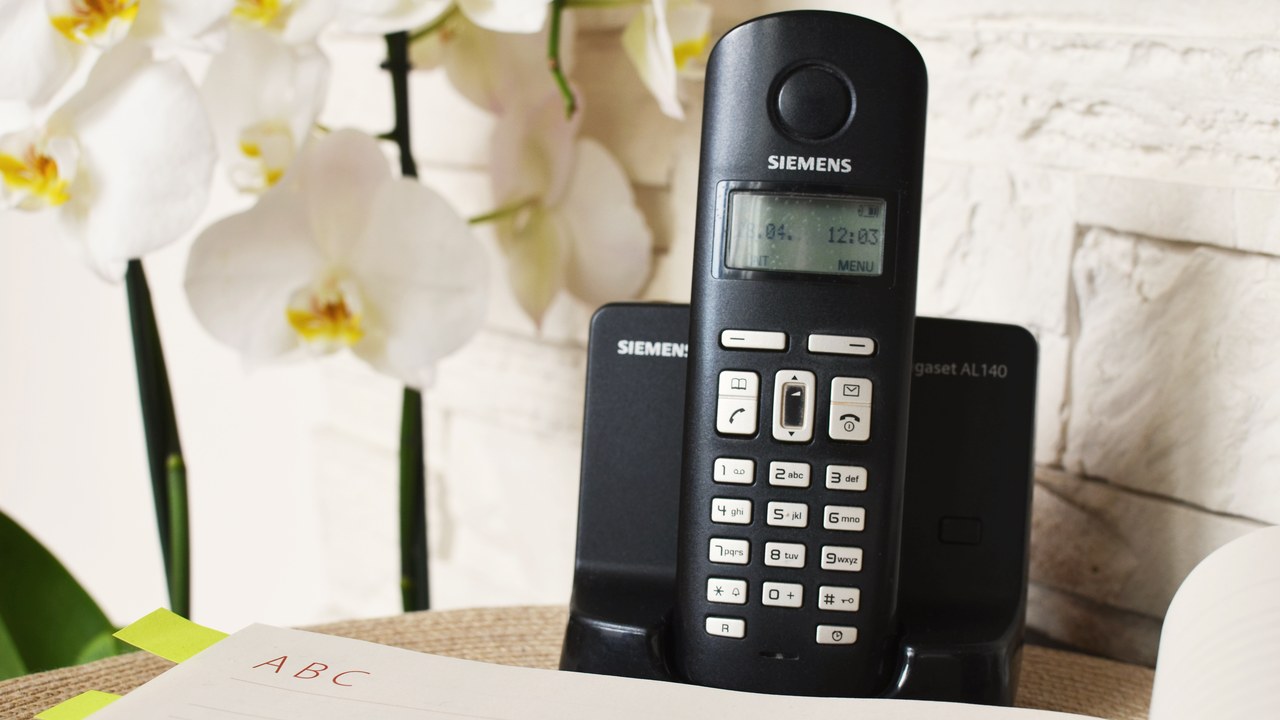
Texas food stamp households paying only for a phone get a $64 utility allowance
A Texas food stamp household whose only utility cost is a phone bill gets a smaller allowance than one that pays for electricity or gas. The Texas Health and Human Services Commission lists that figure as $64, in a Texas Works Handbook revision effective October 1, 2026. The handbook calls it a “telephone standard deduction…