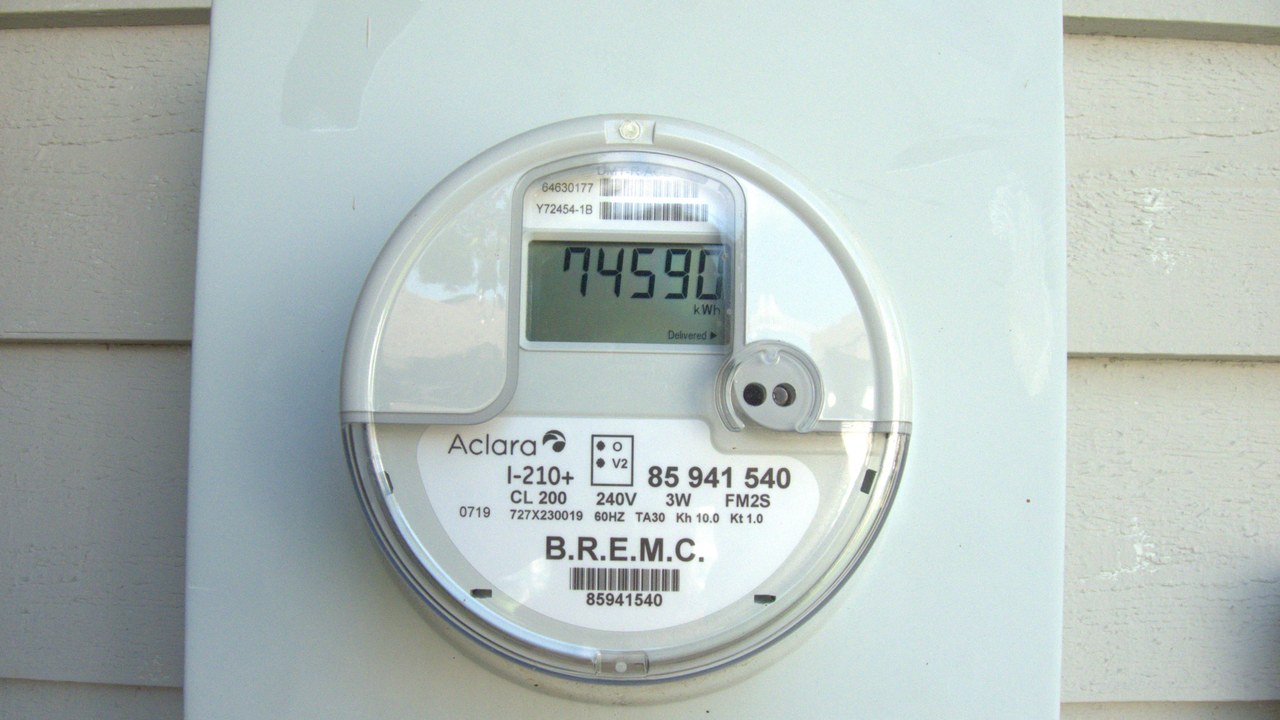
Austin Energy customers are paying a little more for electricity since October 1, when the city-owned utility’s new rates took effect. The utility says the average customer bill will increase by around $3.66 per month, which works out to about $43.92 over a full year.
The increase is smaller than the headline percentage suggests, because one part of the bill went up while another went down. Base rates rose 5%, and a separate charge for the cost of fuel and power fell 5%, so the two largely pull against each other on a typical statement.
For a household on a fixed income, the question is how to plan around a bill that can swing by season. Anyone served by Austin Energy can look at the three lines that moved, the customer charge, the energy charge and the power supply adjustment, and set aside the extra $3.66 a month before the summer cooling months arrive. The utility’s own assistance programs are listed on its rates page.
Retirement deadlines, in your inbox: Miss an enrollment or claim deadline and the money can be gone. The Retirement Money Brief keeps you ahead of the ones that matter, every weekday.
Get the Retirement Money Brief →
We may earn a commission from links on this page.
Which charges went up and which went down
According to Austin Energy’s approved rates page, base rates, which include the customer charge and the energy charges, increased by 5%. The power supply adjustment, the line that recovers the utility’s fuel and purchased-power costs dollar for dollar, decreased by 5%.
A third line also moved. The community benefit charge fell 13.9% overall, the utility says. The utility puts the net effect on the average customer at roughly $3.66 a month, and its rates page does not give a dollar figure for the customer charge.
How long the new rates last
The rates and fees run from October 1, 2026 through September 30, 2027, the utility’s fiscal year 2027. The Austin City Council approves the rates each year, the utility says.
The page says Austin Energy’s rates are increasing overall this year in response to rising costs. It was last reviewed on October 1, 2026, the day the new rates began, so the $3.66 figure is the utility’s own estimate for the typical customer, not a bill-by-bill number.
Why a household’s own change can differ
An average hides a wide spread. Base rates rose 5% while the power supply adjustment fell 5%, and how much each line weighs on a statement depends on the month and the home.
That is why the $43.92 yearly figure is a planning number rather than a prediction. A small apartment, a large house with central air and a home with a space heater in winter will not land on the same number, even inside the same rate class.
Where the city points customers who need help
The same rates page links to Customer Assistance Programs on the City of Austin utilities site and to Weatherization Assistance, which are the utility’s own routes for customers whose bills strain a budget. Those programs have their own sign-up steps and are separate from the rate change itself.
Weatherization work, such as sealing and insulating, attacks the usage side of the bill. Because the energy charge went up 5%, every kilowatt-hour a home does not use is worth slightly more than it was in September.
What the next fiscal year could bring
The rates are fixed through September 30, 2027, which gives Austin households about eleven months of known pricing. Austin Energy has not published what base rates or the power supply adjustment will do after that date.
The open question is how the fuel line behaves once the next summer’s power costs are counted. Because the power supply adjustment recovers costs dollar for dollar, it can move even when base rates stay put.
Lining up cooling help before Austin’s next summer?
Austin Energy’s average bill is up about $3.66 a month, and the fuel line that cushioned this year’s increase can move again after September 30, 2027. Older homeowners who wait until a high summer statement arrives are applying for help after the cost has already landed.
The Senior Property Tax & Home-Cost Relief Kit lays out heating, cooling and home-repair help for older homeowners, and it includes an application log and renewal calendar. Part 5 of the kit covers utilities and home costs, and Part 7 is the yearly routine for keeping each application current.
Get the kit’s cooling-help list and renewal calendar before Austin’s next summer bill →
More Financial Reading
- 21 Ways to Stretch a $2,087 Social Security Check
- 15 Places to Find Your Share of the $4.25 Billion States Give Back
- 15 Steps to Stop the Scams That Took $7.7 Billion From Seniors
This article was produced with AI assistance and edited for accuracy against the sources linked above.