
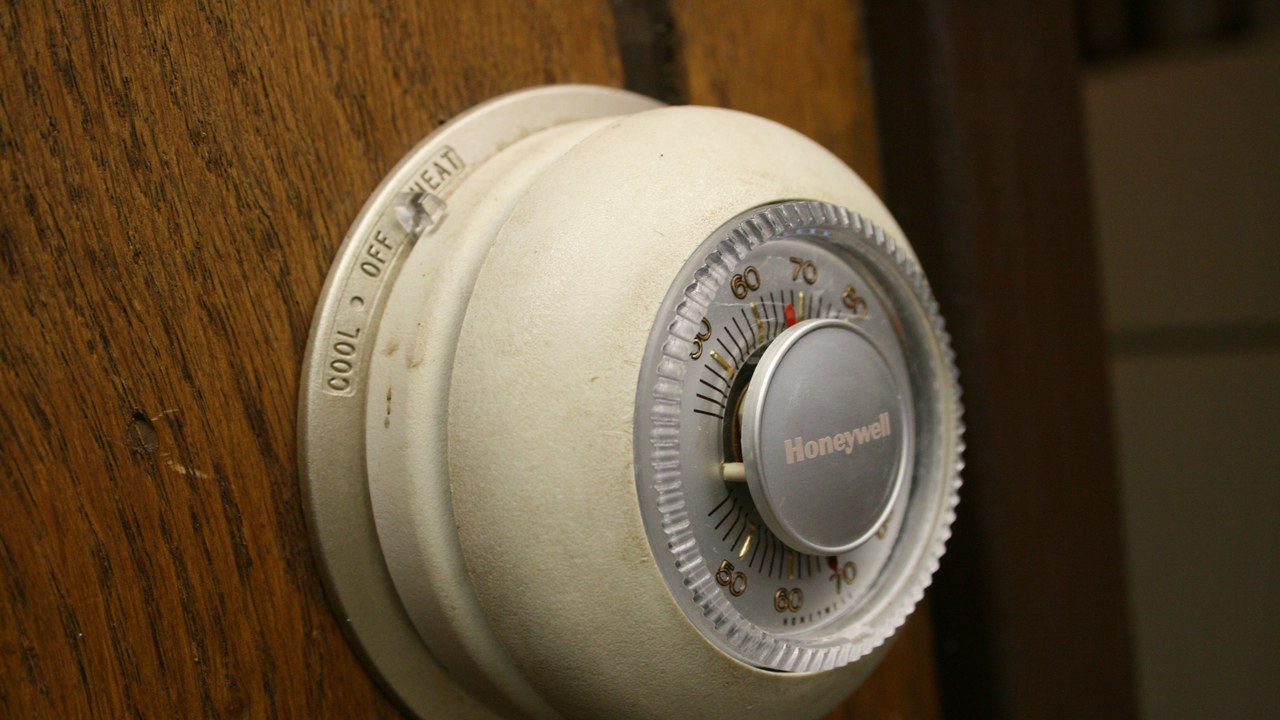
A typical U.S. household is on track to pay $1,030 to heat its home this winter, an increase of $82, or 8.7 percent, over last season’s total. The National Energy Assistance Directors Association, which represents the state directors who run the Low Income Home Energy Assistance Program, published the projection on September 14. The forecast blends four different heating fuels into one number, and it arrives on top of a summer that already pushed cooling bills to record highs for many households. Home heating costs have climbed nearly 24 percent since the winter of 2021-22, according to the association’s analysis.
A Four-Fuel Average Built From Very Different Increases
The $1,030 figure is not a single price moving in one direction. It is a blended national average across households that heat with electricity, natural gas, propane and heating oil, and NEADA’s analysis shows those four categories moving at sharply different speeds this season. Electric heating costs are projected to rise 9.0 percent, natural gas 5.8 percent and propane 8.7 percent, while heating oil is projected to jump 31.3 percent — by far the steepest increase of the four.
Heating oil’s outsized jump traces to the oil market rather than to home-energy policy. Crude oil was trading near $72 a barrel before the war in Iran began pushing prices toward $100, and those higher crude costs have already worked their way into wholesale heating oil markets, according to NEADA’s September 14 press release. Heating oil use is concentrated in the Northeast, which means the fuel-type breakdown behind the $1,030 average has a real regional face — the coldest, most oil-dependent part of the country is also the one facing the sharpest of the four increases.
Even the smaller increases sit on top of several years of higher bills. NEADA’s own tracking shows the cost of heating with electricity is up 35.7 percent and heating oil up 62.1 percent since the winter of 2021-22, while natural gas has risen a comparatively modest 16.9 percent and propane has actually fallen 14.7 percent over the same stretch.
Free relief finder: Property-tax freezes, exemptions and utility help for older homeowners usually only apply after someone asks. See what to look for with the free relief finder.
Free download from RetireShield. Getting it also signs you up for the free Retirement Money Brief, a weekday email. Unsubscribe anytime.
Electricity, Not Just Heating Oil, Is Doing Much of the Pushing
Heating oil draws the most attention because its percentage increase is the largest, but electricity carries the most weight in the national average, since it heats the largest share of American homes. NEADA’s report ties the 9.0 percent electric increase to a stack of causes that have little to do with weather: higher interest rates raising the cost of financing new power plants and transmission lines, rising natural gas prices pushing up the cost of running gas-fired generators, and electricity demand growing quickly as data centers expand.
Aging grid infrastructure and regional capacity constraints are adding further costs on top of that demand growth, while reduced federal incentives for renewable energy have slowed investment in some of the lower-cost power that might otherwise have held rates down, according to NEADA’s winter heating report. More than 275 electric and natural gas utilities have raised rates, received approval to raise them, or proposed doing so since 2025 — increases NEADA estimates could add more than $101 billion in costs for customers through 2028.
A Milder Winter Outlook Is Already Trimming the Number
The 8.7 percent increase would be worse without an assist from the weather. NEADA’s forecast builds in expectations for a warmer-than-normal winter tied to El Niño, which typically reduces the amount of energy Northeast and Midwest households need to burn to stay warm. Across every fuel type, that expected mild weather is already moderating what would otherwise be a steeper jump in the $1,030 estimate.
Regional differences still shape who feels the number most. The Northeast combines the coldest winters with the heaviest reliance on heating oil, the most expensive fuel in the comparison, plus relatively high electricity prices — about 24 cents per kilowatt-hour in the 2025-26 outlook NEADA cites, compared with roughly 16 cents in the Midwest and 15 cents in the South. The Midwest leans on cheaper natural gas but still needs more of it because of its own cold winters, while the South’s milder climate and lower electricity prices keep its bills furthest below the national figure — meaning the $1,030 average works as a planning benchmark rather than a prediction for any single household’s bill.
Utility Debt and Disconnections Are Already Near Record Levels
Rising bills are landing on households that have little room left to absorb them. About one in six U.S. households was already behind on a utility bill heading into this projection, with residential utility debt nationwide approaching $23 billion. In 2024 alone, utilities disconnected electric service for nonpayment roughly 13.4 million times and natural gas service about 1.7 million times.
The squeeze is sharpest for lower-income households, for whom electricity and natural gas already claim a larger share of take-home pay. NEADA’s income data shows the bottom fifth of earners spent 9.86 percent of income on electric and gas bills in 2025, up from 9.38 percent in 2024, while the next-lowest fifth saw that share rise from 4.85 percent to 5.11 percent — increases the association’s news release frames as part of a wider energy-affordability crisis rather than a one-season blip.
NEADA’s Ask: Nearly Double LIHEAP Funding Before Bills Arrive
NEADA’s response to its own numbers is a specific funding request, not a general warning. The association is urging Congress to raise funding for the Low Income Home Energy Assistance Program from $4 billion to $7 billion, arguing that the money needs to reach households before winter bills accumulate rather than after families have already fallen into utility debt or lost service. LIHEAP, at its current funding level, reaches only a fraction of the households that qualify for it.
“This is a warning that too many families are entering winter with no room left in their budgets,” said Mark Wolfe, NEADA’s executive director, in the September 14 release announcing the projection. Congress, he said, “cannot wait for the first cold snap” — a timeline that puts the $1,030 estimate, and the $82 increase behind it, in front of lawmakers well before the heating season NEADA defines as running from mid-November to mid-March.
Property-Tax and Heating-Cost Relief for Homeowners on Fixed Incomes
The heating-cost increase detailed above lands hardest on homeowners covering both a property tax bill and a rising energy bill on a fixed income. Property-tax relief programs, circuit-breaker credits and home weatherization assistance exist in every state for exactly this kind of squeeze, but most require filing the right paperwork before a deadline that isn’t printed next to the tax bill itself.
The 11-page kit lists the five kinds of property-tax relief, the circuit-breaker credit that includes renters, and where to find heating, cooling and home-repair help.
See the relief categories and the renewal calendar in The Senior Property Tax & Home-Cost Relief Kit.
AI-assisted research and drafting; reviewed by an editor.


