
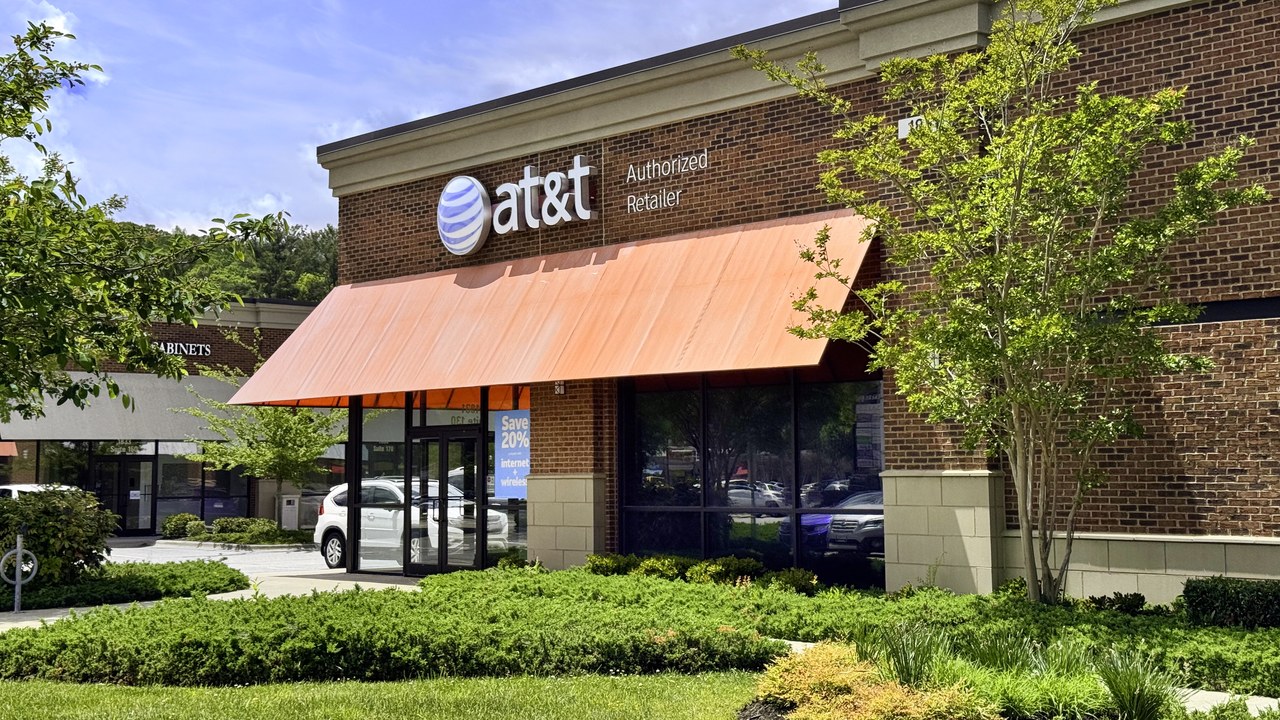
AT&T customers who never switched off an older unlimited plan are seeing a new line item on their bill this month. The change, spelled out on AT&T’s own support site, adds a flat monthly charge to a set of retired wireless plans, with the amount depending on how many lines share the account. Customers who already went through this once in April are not affected again; this round is for a narrower band of accounts activated later in 2025.
Which Retired Plans Are Getting the August Increase
The plans on AT&T’s list are largely holdovers from years of predecessor unlimited lineups: AT&T Unlimited Plus, Unlimited Choice, and Unlimited Choice II, along with their “Enhanced” versions, plus AT&T Unlimited &More and Unlimited &More Premium and the older Unlimited Plan sold with Double Play bundles. A second group of retired Unlimited Your Way plans is also affected, including the Starter, Extra, and Premium tiers and their SL/EL/PL variants. None of these plans are sold to new customers anymore, but AT&T has continued to let existing customers stay on them rather than force a switch.
Free retirement updates: One number can cost or save hundreds a month in retirement. The free Retirement Shield newsletter surfaces the ones worth knowing. Sign up free.
Ten Dollars for One Line, Twenty for a Household of Several
According to AT&T’s support notice, accounts with a single line on one of the affected plans will pay $10 more a month. Accounts with multiple lines sharing the plan pay $20 more a month total, not $20 for each line — so a household with three or four lines on a shared retired plan sees the same $20 increase as a household with two. In exchange, AT&T is adding 20GB of hotspot data per month, which is the only offsetting benefit it lists.
Why This Wave Hits August Bills Instead of April’s
AT&T split this price change into two waves by activation date. Lines that were already active before the cutoff had the higher price applied to an April 2026 bill. This second wave covers plans activated between July 24 and November 1, 2025, and it’s landing on bills dated between June 22 and August 1, 2026 — which is why some customers are only now noticing the change eight or nine months into a plan they thought had a fixed price. These are already legacy plans that AT&T closed to new customers well before this year, and periodic price adjustments on that kind of closed plan are one of the more common ways a carrier nudges long-tenured customers toward its current lineup without cutting off service outright. AT&T frames the change in each of its official notices the same way, saying it “helps us continue providing reliable network service, quality products, and great customer experiences” — identical language across the unlimited-plan notice and the Mobile Share notice alike.
A Different, Smaller Increase on the Newer Unlimited Your Way Tiers
AT&T’s notice for a separate group of retired plans — Unlimited Your Way’s own Starter, Extra, and Premium tiers, plus their SL, EL, and PL variants — describes a smaller change than the $10-or-$20 figure covering the older Unlimited Plus and Choice family above. On those three tiers, the plan charge rises by $5 per line rather than $10, and the hotspot add-on is 10GB rather than 20GB. That notice, last updated July 9, 2026, follows the identical two-wave activation-date schedule as the rest of the change, so a customer on one of these three tiers should check which bucket their plan actually falls into before assuming the higher $10-or-$20 figures above apply to their bill.
The Older Mobile Share Plans Also Getting the Increase
The price change is not limited to unlimited plans. AT&T’s notice says select legacy Mobile Share plans, including Mobile Share Value, Mobile Share Value with Double Data, Mobile Share Plus, and Mobile Share Advantage, are also moving to a higher monthly charge on the same schedule. These plans predate AT&T’s current lineup and, like the retired unlimited plans, are no longer offered to new customers. On these accounts the increase is tied to data allotment rather than a flat per-line fee: AT&T’s own notice says an account with less than 6GB of monthly data sees a $5 increase, while an account with 6GB or more sees the full $10 increase — a third, distinct pricing split from either of the two unlimited buckets described above.
How to Find the Rate-Change Notice on Your Own Bill
AT&T says the fastest way to check whether an account is affected is to open the billing center, pull up a bill dated between June 22 and August 1, 2026, and look under “Read bill & payment info, news & offers” for a section called “News you can use.” If the account is affected, that section will include a “Monthly rate plan change notice” spelling out the new charge in dollar terms.
Whether Switching to a New AT&T Plan Actually Saves Money
AT&T’s pitch to affected customers is to move to one of its current Unlimited Your Way plans — Elite 2.0, Premium 2.0, Extra 2.0, or Value 2.0 — rather than pay more to stay on a retired plan. Whether that’s worth doing depends entirely on what a household actually uses: the newer tiers trade a flat unlimited allowance for set data caps plus perks like included tablet or watch lines on the top tier. Elite 2.0 comes with 250GB of hotspot data and unlimited data while traveling in over 210 destinations; Premium 2.0 includes 100GB of hotspot data; Extra 2.0 caps high-speed data at 100GB before speeds may slow during network congestion; and Value 2.0 caps out at just 5GB of high-speed data. None of the four current tiers is sold as genuinely unlimited the way the retired plans were, so a customer paying the extra $10 to keep uncapped data is, in effect, paying to keep something the current lineup doesn’t sell at any price. For a single line paying an extra $10 a month for data it may never use, comparing the exact new-plan price against the raised old-plan price is worth ten minutes before the next bill arrives.
Relief that waits to be asked for
Property-tax freezes, exemptions and utility help are rarely applied automatically, and each has its own filing window.
The Senior Property Tax & Home-Cost Relief Kit includes an 11-page kit, the 5 kinds of property-tax relief and the circuit-breaker credit that includes renters.
See the five kinds of relief in The Senior Property Tax & Home-Cost Relief Kit.
This article was produced with AI assistance and reviewed by a human editor. Figures are linked to their primary sources; where a claim could not be verified from the public record, we say so.


