
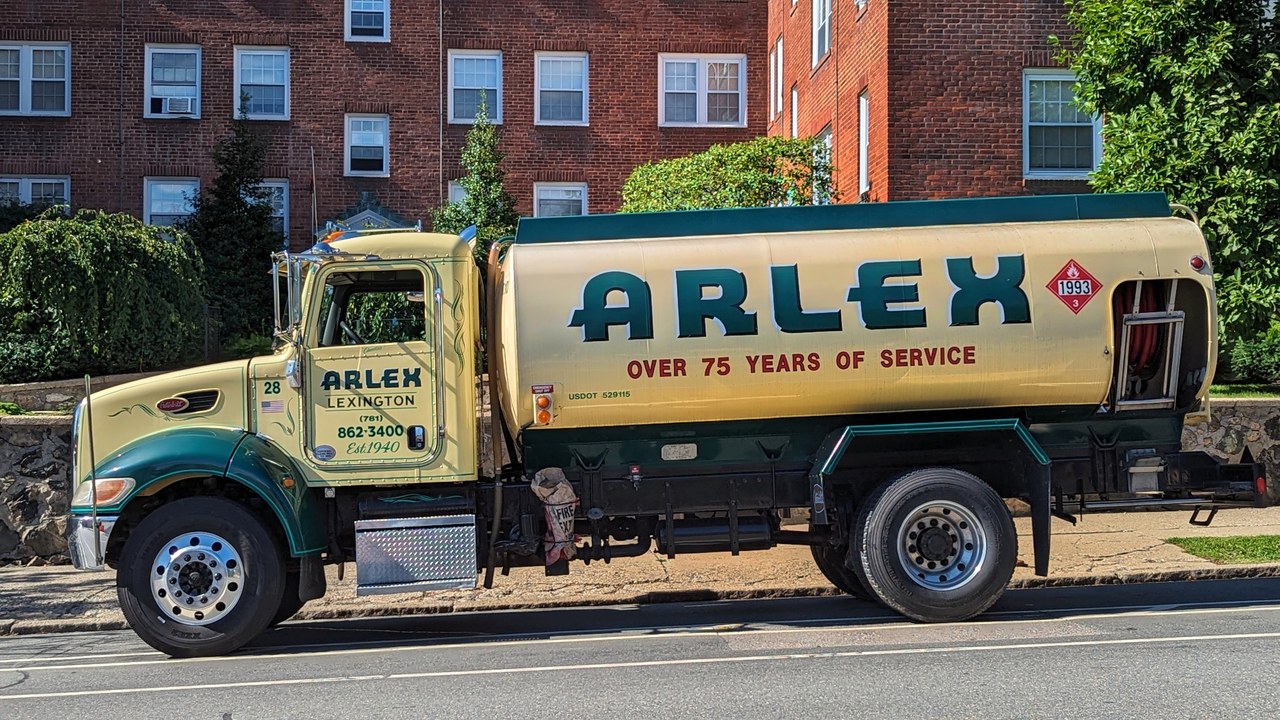
Not every household will feel this winter’s fuel bills the same way. Most homes that heat with electricity, natural gas or propane are facing increases in the high single digits compared with last winter — unwelcome, but familiar. Households that still burn heating oil are looking at something else: a projected 31.3 percent increase, the steepest jump of any heating fuel this winter, according to new figures from the National Energy Assistance Directors Association.
A Fuel Only 4 Percent of the Country Still Burns
Heating oil once warmed a much larger share of American homes. Today the fuel powers furnaces and boilers in roughly 4 percent of U.S. households, and about three-quarters of those homes sit in the Northeast, where long winters and older housing stock have kept oil heat in wide use even as gas and electric systems replaced it almost everywhere else.
That narrow, regional footprint is why the 31.3 percent figure carries so much weight. In its winter heating cost projection released September 14, the National Energy Assistance Directors Association put the average heating-oil household’s bill at roughly $2,297 for the mid-November-to-mid-March season — a steeper jump than any other fuel the group tracks, and one traced almost entirely to a single global event rather than a local utility rate case.
Colder weather is only part of why the region is exposed. NEADA, which represents the state directors who administer the federal Low Income Home Energy Assistance Program, also notes that Northeast electricity prices run well above the national average — about 24 cents per kilowatt-hour, compared with roughly 15 cents in the South — so households there have little cheaper fuel to switch to.
Free relief finder: Property-tax freezes, exemptions and utility help for older homeowners usually only apply after someone asks. See what to look for with the free relief finder.
Free download from RetireShield. Getting it also signs you up for the free Retirement Money Brief, a weekday email. Unsubscribe anytime.
Brent Crude Near $100 a Barrel Drives the Delivered Price
Heating oil is a refined petroleum product, so its price at the tank tracks the price of crude oil more closely than any other home heating fuel does. Before the war between Israel and Iran escalated earlier this year, Brent crude — the international benchmark — traded around $72 a barrel. It has since climbed toward and past $100 a barrel as shipping through the Strait of Hormuz has been disrupted, and that increase has fed directly into wholesale heating oil costs.
Mark Wolfe, NEADA’s executive director, framed the mechanism in blunter terms in an interview with CBS News: “While the war may be thousands of miles away, families will feel it when the heating oil truck pulls into their driveways.” CBS News reported that the disruption has been compounded by a drone strike on a critical pipeline in Saudi Arabia and by Ukrainian strikes on Russian refineries — two separate conflicts now pushing in the same direction on the same commodity that fills Northeast oil tanks.
That distinction matters for how households should read the forecast. Electric and natural gas rates rise mainly through state utility rate cases that move slowly and predictably, decided months in advance. Heating oil prices move with a global commodity market that can shift within days, which is part of why the fuel’s increase this year so far outpaces every other category NEADA tracks.
Every Other Fuel Trails Oil’s Jump by a Wide Margin
NEADA’s projection puts the national average heating bill, across all fuels, at $1,030 for the season — up $82, or 8.7 percent, from last winter. Electric heat is projected to rise 9.0 percent and propane 8.7 percent, both close to that national average. Natural gas, the cheapest and most common heating fuel, is projected to rise just 5.8 percent.
Set against those numbers, heating oil’s 31.3 percent increase is not a difference of degree but of category — more than three times the increase facing the average natural gas customer and well over three times the national blended figure. For a household already paying more than $2,000 a season to heat an oil-fired boiler, that gap translates into hundreds of additional dollars that other heating households, on average, will not have to find this winter.
Five Winters of Compounding Increases
This winter’s spike also sits on top of several years of rising costs. Since the winter of 2021-22, NEADA’s data shows natural gas heating costs are up 16.9 percent and propane costs have actually fallen 14.7 percent, while electric heat is up 35.7 percent. Heating oil is up 62.1 percent over that same five-year span — nearly double the increase in electric heat, and the only fuel where a single war has become the dominant explanation for the jump. Across all fuels combined, NEADA calculates home heating costs are up 23.9 percent since that same 2021-22 winter.
In the same report, NEADA is asking Congress to raise Low Income Home Energy Assistance Program funding from $4 billion to $7 billion, arguing that the combination of this year’s spike and five years of compounding increases has left low-income households with little cushion left to absorb either. Wolfe’s report frames the current jump as an acceleration of that longer trend rather than an isolated event, warning that “too many families are entering winter with no room left in their budgets” after a summer of record cooling costs. For the roughly one in twenty-five U.S. households still filling an oil tank each winter, this year’s number is the clearest test yet of how far that budget can stretch.
Property-Tax and Home-Cost Relief for Owners Facing Higher Heating Bills
Homeowners absorbing this winter’s heating oil increase are disproportionately older and concentrated in the same Northeast towns where property-tax bills already run high. Relief for the fuel bill and relief for the tax bill come from different offices on different schedules, and neither applies itself just because a household is under more financial pressure than usual.
The Senior Property Tax & Home-Cost Relief Kit is an 11-page kit covering the 5 kinds of property-tax relief, the circuit-breaker credit that includes renters, and heating, cooling and home-repair help for older homeowners.
See the property-tax categories and home-cost help programs in The Senior Property Tax & Home-Cost Relief Kit.
AI-assisted research and drafting; reviewed by an editor.


