
Category: Utilities & Energy
-

Colorado cut the share of income a low-income household pays for power from 6 percent to 2.5 percent
Colorado’s utility regulator still publishes a page explaining that its Percentage of Income Payment Plan holds an income-qualified household’s electric and gas bills to no more than 6 percent of that household’s income. For customers of the state’s largest utility, the number is now 2.5 percent. The Colorado Public Utilities Commission made that reduction on…
-
Colorado seniors qualify for a new $20 monthly credit on an electric bill
A rate decision that adds roughly $5.00 a month to the average residential electric bill in Colorado also created a benefit running the other direction for older households. As part of its final decision in Xcel Energy’s electric rate case, the Colorado Public Utilities Commission ordered a dedicated discount program paying a $20 monthly bill…
-

The income limits that decide who gets heating help become mandatory for every state on October 1
Households that lean on federal help to cover winter heating bills are about to be measured against one national yardstick instead of a patchwork of state-by-state estimates. The Administration for Children and Families’ Office of Community Services has told every state, the District of Columbia, tribal grantees and several territories that a set of income…
-
A utility-rate tracker counts 275 companies that have raised or proposed increases across 49 states
A rate increase moving through a single state regulator’s docket rarely makes national news on its own. Tallied together, though, hundreds of those filings show how widespread higher electric and gas bills have become since early 2025. The Center for American Progress, working with the Natural Resources Defense Council, has spent more than a year…
-
National Grid wants $23.66 more a month from Massachusetts heating customers starting December 1
Massachusetts regulators are still deciding whether National Grid can raise what it charges for natural gas delivery, and the outcome would land squarely in the middle of heating season. The Department of Public Utilities has not ruled on the case, but it has already put the higher rates on hold so its staff can pick…
-
Vermont’s largest electric utility raises rates 5.5 percent for 275,000 customers on October 1
Green Mountain Power spent months defending a rate request that state regulators ultimately cut down before signing off on it. The fight over how much of the company’s storm-hardening budget belongs on customer bills is now settled, and the resulting increase reaches every residential and business account the company serves just as other Vermont energy…
-
Michigan approved a gas increase adding $2.87 a month to a typical DTE bill
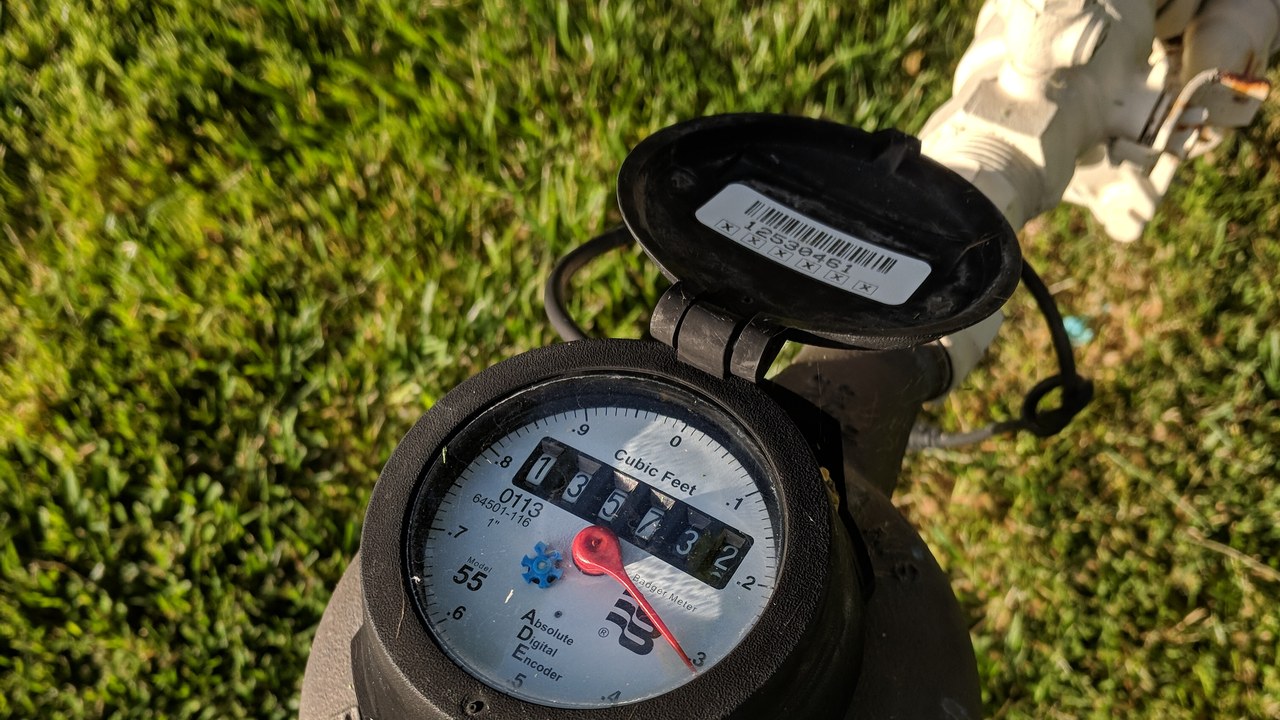
Michigan regulators granted DTE Gas less than half of the rate increase it asked for, and households on the other end of the meter will still pay more starting this heating season. The Michigan Public Service Commission’s order in Case No. U-21973, issued September 10, 2026, sets a specific dollar figure for what a typical…
-
The EIA forecasts heating oil at $5.66 a gallon this quarter, against $3.68 a year ago
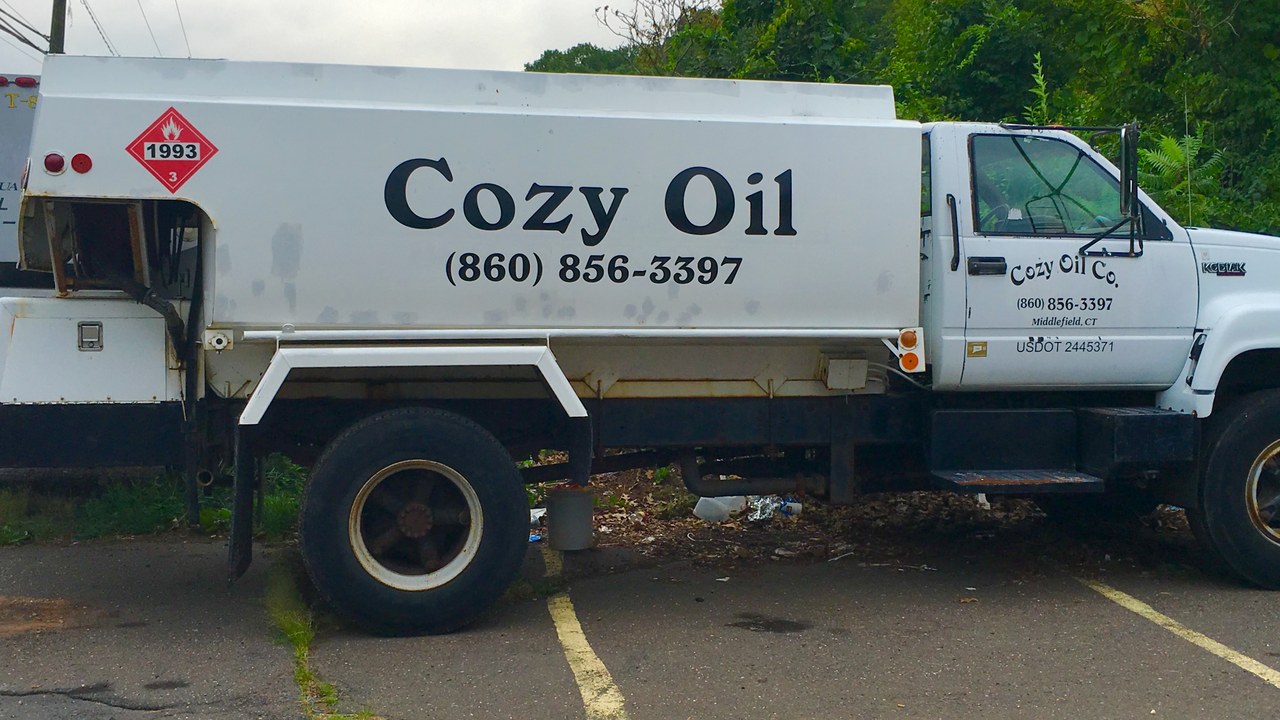
Household budgets built around a home heating oil tank are about to run into a federal number nobody controls. The U.S. Energy Information Administration’s newest monthly market report projects how much more a gallon of heating oil delivered this winter will cost compared with the same three months a year earlier, and the gap is…
-

Household electricity is projected to average 18.6 cents a kilowatt-hour next year, up from 16.5 cents in 2024
The average U.S. household is on track to pay more for electricity through the rest of the decade, according to updated federal forecasting released this month. Residential power prices climbed from 16.5 cents per kilowatt-hour in 2024 to an estimated 17.3 cents in 2025, and federal energy analysts now expect the increases to continue in…
-
A new executive order tells the EPA to push seven states to repeal stormwater fees, but it cancels no one’s bill
President Trump signed an executive order on September 16 that revokes a 2009 directive tied to Chesapeake Bay cleanup and instructs the Environmental Protection Agency to press seven watershed jurisdictions on their local stormwater fees. The order itself describes those charges, often called rain taxes, as imposing hundreds of dollars a year in costs on…