
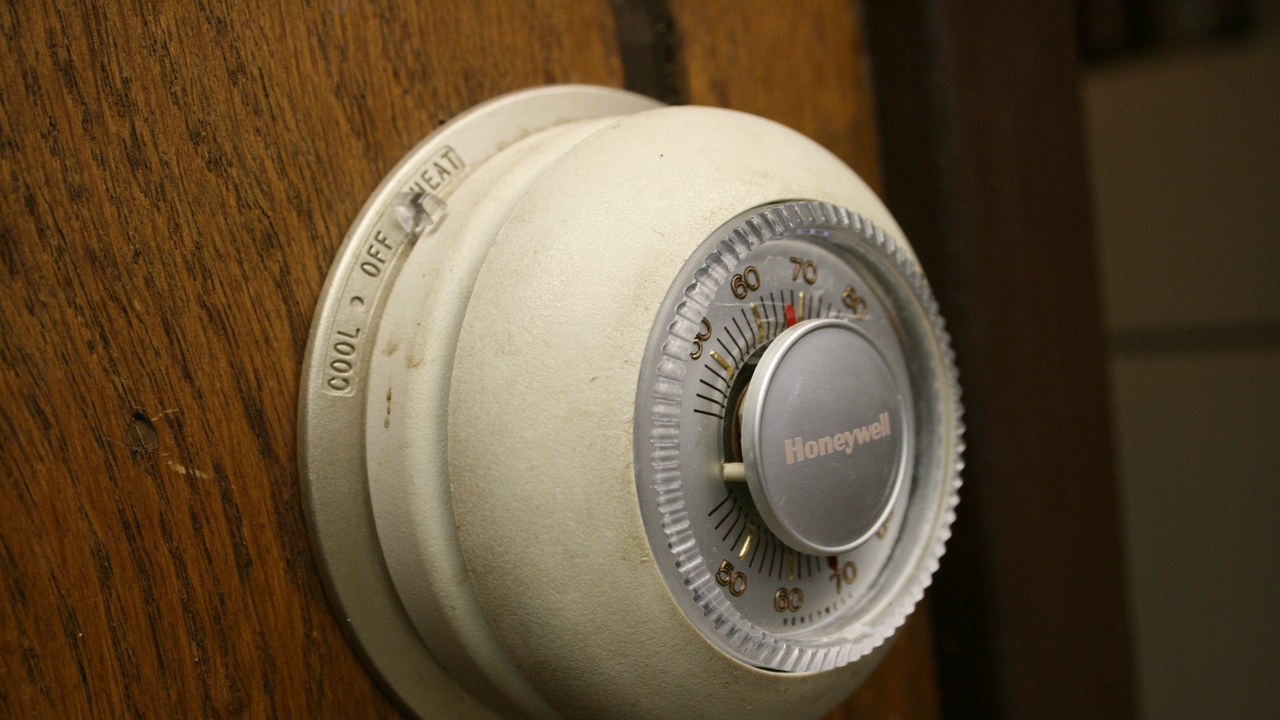
Heating season does not wait for Washington to finish its budget, and this year the two calendars are drifting apart. The Low Income Home Energy Assistance Program’s operating year begins on October 1, the date written into the statute that runs it, and every state has already filed the paperwork needed to open its share of the program. What has not happened is the part that actually pays for it: lawmakers have not enacted a full-year appropriation for the fiscal year LIHEAP is entering, so the program’s calendar is running ahead of its funding.
LIHEAP’s October 1 Start Date Comes From Its Own Statute
The Department of Health and Human Services’ Administration for Children and Families runs LIHEAP through its Office of Community Services, and the program has always operated on a fixed federal fiscal year rather than a calendar year. Its grant period runs from October 1 through the following September 30, and every state, territory and tribal government that wants a share of the money for that year has to file a Model Plan describing how it will run heating, cooling, crisis and weatherization assistance. For the year beginning this October 1, that filing deadline already passed on September 1, 2026.
Filing the plan is not the same as being paid. In the same guidance that set the September 1 deadline, the agency told grant recipients in writing that it will issue the new fiscal year’s LIHEAP money only after Congress passes an appropriation, the Office of Management and Budget apportions it, and OCS has accepted a state’s plan, three separate conditions, and only one of them is in a grant recipient’s own control.
The stakes of that review process are spelled out in the same document: a plan OCS rejects on first submission has until December 15, 2026 to fix missing or inadequate information before it counts as complete. That means the full model-plan cycle, filing, agency review and any correction, runs well past the October 1 date most households associate with heating assistance opening for the season.
Free download: Property-tax freezes, exemptions and circuit-breaker credits, plus LIHEAP and shutoff protections, and what to gather before applying. Get the free property tax and utility relief finder.
Free download from RetireShield. Getting it also signs you up for the free Retirement Money Brief, a weekday email. Unsubscribe anytime.
Only a Stopgap Bill Is Keeping the Government’s Lights On
Congress has not finished its regular spending bills for the fiscal year that starts October 1. Instead, on September 1 the House passed a continuing resolution that funds the entire federal government, including the Department of Health and Human Services, at the prior year’s levels only through December 11; President Trump signed it into law the next day. A continuing resolution extends last year’s numbers on a short leash. It is not a new appropriation, and lawmakers who voted for it described it as a way to buy time for the actual FY2027 spending bills, not as a substitute for them.
That distinction matters for LIHEAP specifically, because the nonpartisan Committee for a Responsible Federal Budget’s tracking of the FY2027 appropriations process shows the stopgap running out December 11 with no full-year bill behind it yet, meaning the funding conditions OCS laid out for grant recipients remain unmet as the program’s calendar turns over.
This is not a new pattern for the program. The prior fiscal year’s appropriations were not finished until April 2026, seven months after that year’s own October 1 start date, following two separate funding lapses, one running from October 1 through November 12, 2025 over an unrelated dispute, and a second, shorter lapse from January 31 through February 3, 2026. Grant recipients opened last year’s heating season under the same kind of stopgap now covering FY2027.
The Bill That Would Actually Fund LIHEAP Is Still Stuck in Committee
LIHEAP’s money moves through the Labor, Health and Human Services and Education appropriations bill, the same bill that funds most of the department’s discretionary programs. As of early September, that bill had cleared only a House subcommittee vote and a House full committee markup; the Senate had not yet taken any committee action on its own version. Neither chamber has passed it on the floor, and no version has reached the President’s desk. The mechanics mean the amount available for the year that begins October 1 is not yet fixed by law, regardless of what any state’s approved plan projects.
The Difference Between a Program Opening and a Grant Being Funded
For a household budgeting around a heating bill and a thermostat turned down to save money, the distinction is not academic. A state can open its LIHEAP intake on schedule, using the plan it already filed, while the size of the federal allocation behind that intake still depends on legislation that has not passed. States often keep offices running on prior-year carryover funds and estimates while Congress finishes its work, which is part of why OCS built a formal appropriation-and-apportionment condition into its own guidance rather than assuming the October 1 date alone guaranteed the money. Until the Labor-HHS bill clears both chambers, the Committee for a Responsible Federal Budget’s tracking remains the clearest public record of how far that funding still has to travel before a program date turns into an actual grant.
The Home-Cost Calendar LIHEAP Doesn’t Cover
LIHEAP’s October 1 opening covers only one line on a household’s winter budget, and its funding fight does not touch the property tax bill, the water bill, or the repair a furnace needs before the cold sets in. Older homeowners in particular carry several separate relief programs, property-tax freezes, circuit-breaker credits, weatherization help, each running on its own deadline and its own paperwork that a federal heating notice never mentions. The gap between programs is usually where a renewal or a credit gets missed, not the intake window itself.
The Senior Property Tax & Home-Cost Relief Kit is an 11-page kit covering the 5 kinds of property-tax relief, the circuit-breaker credit that includes renters, and heating, cooling and home-repair help, plus an application log and renewal calendar to track them.
See The Senior Property Tax & Home-Cost Relief Kit.
AI-assisted research and drafting; reviewed by an editor.


