
Category: Cost of Living
-

Energy assistance directors project the average household will spend $1,030 on heat this winter
The National Energy Assistance Directors Association (NEADA) projects that the average U.S. household will spend $1,030 to heat its home this winter, an increase of $82, or 8.7 percent, over last year. The figure is a forecast for a season that has not yet played out, and it comes from the group that speaks for…
-

A gallon of regular gasoline costs $2.61 more in California than in Indiana
Pump prices are not one number. On October 2, 2026, a gallon of regular in California averaged $6.4008 and a gallon in Indiana averaged $3.7902, a difference of $2.61 between the most expensive state and the cheapest in the same daily reading. The spread sits on top of a national average that has climbed sharply…
-

Canadian dairy is barred from entering the United States as of September 29, on top of a 50% duty
At 12:01 a.m. Eastern time on September 29, 2026, certain Canadian dairy products stopped being allowed into the United States at all. Proclamation 11062, signed September 8, replaces a 50% import duty on those goods with an outright ban for anything arriving after that moment. The action is a trade-retaliation measure, not a food-safety one,…
-
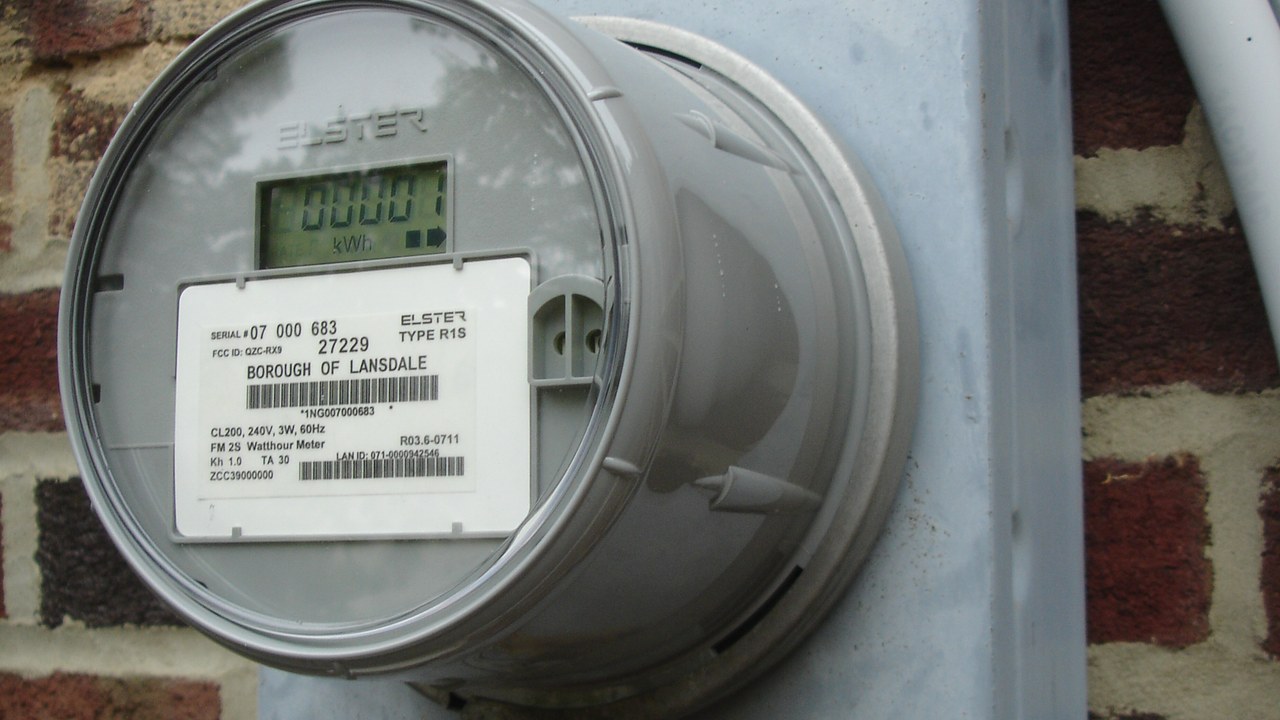
Electricity is up 3.8% and piped gas 4.4% over the year
Two lines on the household utility statement moved in the August 2026 Consumer Price Index, and both outpaced the overall inflation rate. The Bureau of Labor Statistics found that electricity prices rose 3.8 percent over the 12 months ending August, while its natural gas index, which tracks piped utility gas, rose 4.4 percent over the…
-
Energy is up 16.3% over the year and the gasoline index 27.4%, while core inflation sits at 2.4%
The Bureau of Labor Statistics reported on Sept. 11 that its energy index rose 16.3 percent for the 12 months ending August 2026, and that the gasoline index within it rose 27.4 percent over the same 12 months. The same release put the index for all items less food and energy, the measure usually called…
-

A presidential order points at grocery beef prices with the national cattle herd at a 75-year low
Executive Order 14425, titled Supporting America’s Ranchers, was signed on Sept. 4, 2026 and published in the Federal Register on Sept. 10. Its opening findings state that “the national herd is at a 75-year low, while consumer demand for beef has grown almost 10 percent over the past decade.” Most of what the order then…
-
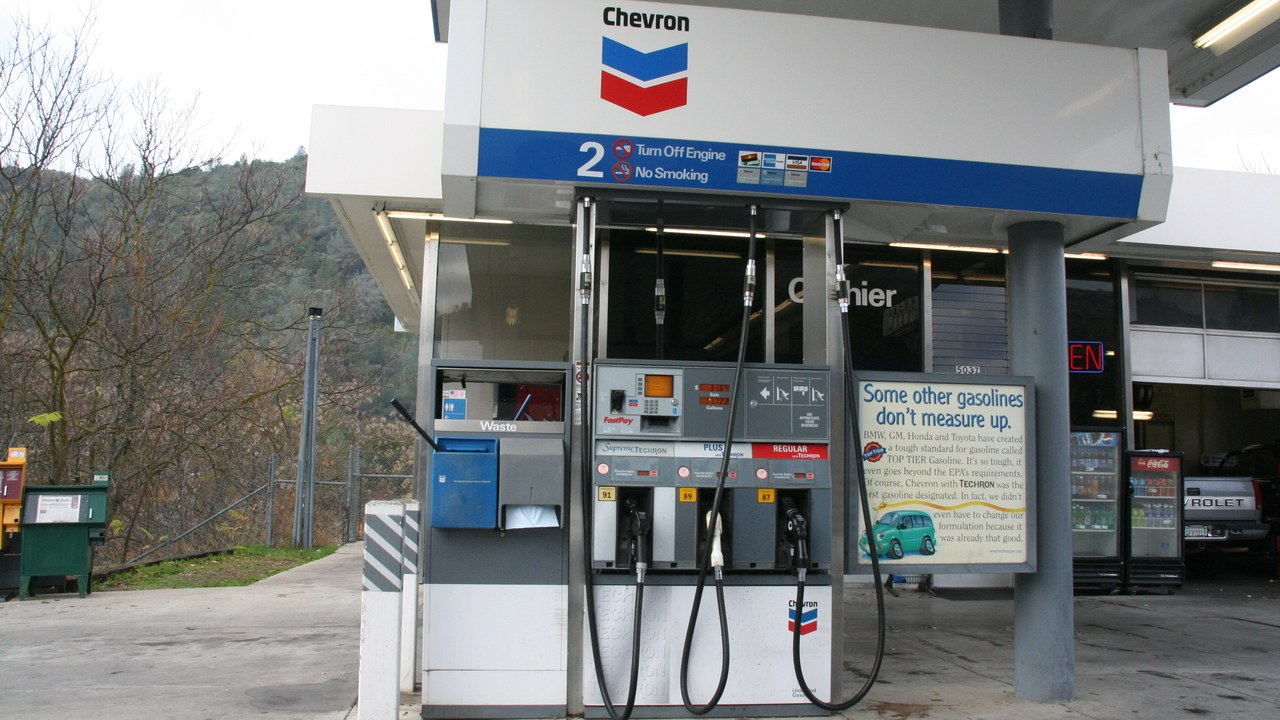
Regular gasoline averages $4.465 a gallon and on-highway diesel $6.382
Regular gasoline averaged $4.465 a gallon across the United States for the week ending September 28, 2026, and on-highway diesel averaged $6.382, according to the Energy Information Administration. Both prices slipped from the prior week, but both sit far above where they stood a year earlier, which is the comparison that matters for a household…
-

Fresh vegetables are forecast to cost 5.7 percent more this year
Of the food categories in USDA’s September price outlook, only beef is forecast to climb faster than fresh vegetables. The Economic Research Service predicts the fresh-vegetable index will average 5.7 percent higher in 2026 than in 2025, and it labels that figure a forecast. The year is not over, so the number can still move.…
-
The FCC has paused Verizon’s copper landline shutdown in nine states
Verizon cannot count on a quiet exit from copper landlines in Arizona, Delaware, New Jersey, New Mexico, Ohio, Rhode Island, South Carolina, Utah and Virginia. According to the trade publication Inside Towers, the Federal Communications Commission pulled Verizon’s application to retire that legacy service out of the automatic-grant process on September 25, 2026. The FCC…
-
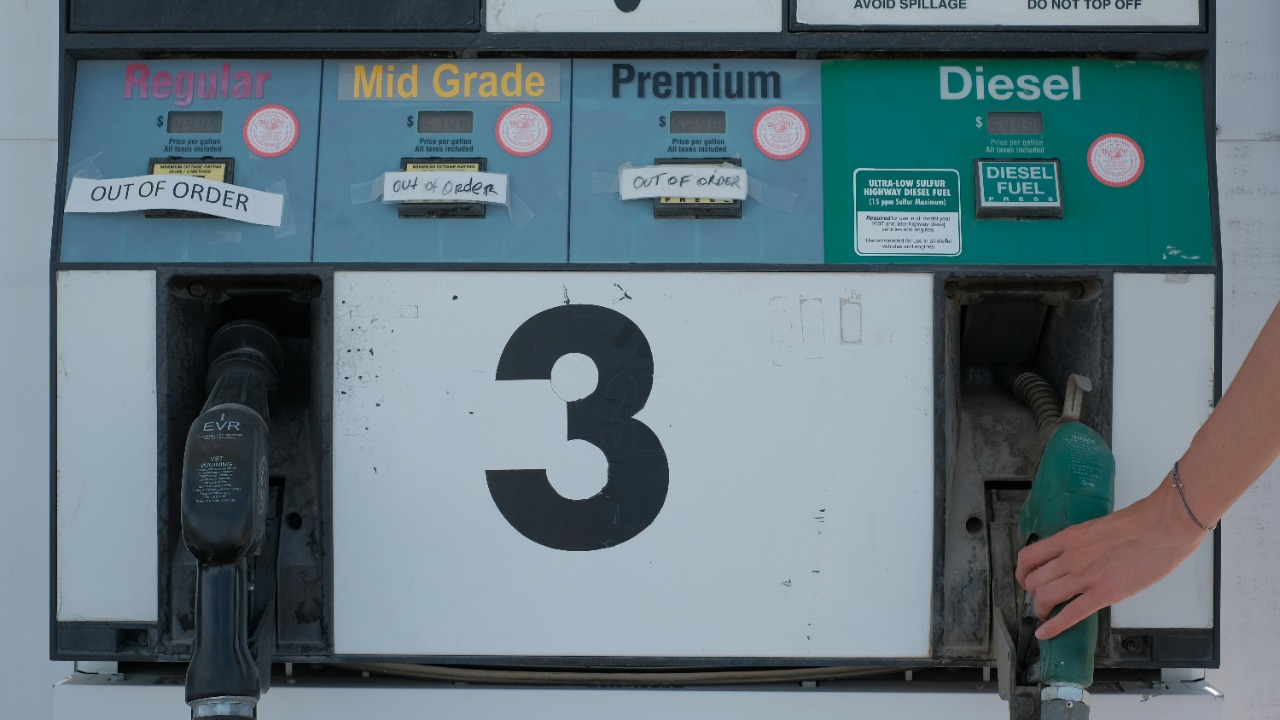
Diesel costs $2.63 a gallon more than a year ago, and gasoline is up $1.35
Two subtractions explain the headline. On-highway diesel averaged $6.382 a gallon in the week ending September 28, 2026, against $3.754 a year earlier, a gap of $2.628. Regular gasoline averaged $4.465 against $3.118, a gap of $1.347. Both figures come from the U.S. Energy Information Administration’s weekly survey. The arithmetic, line by line The EIA’s…