
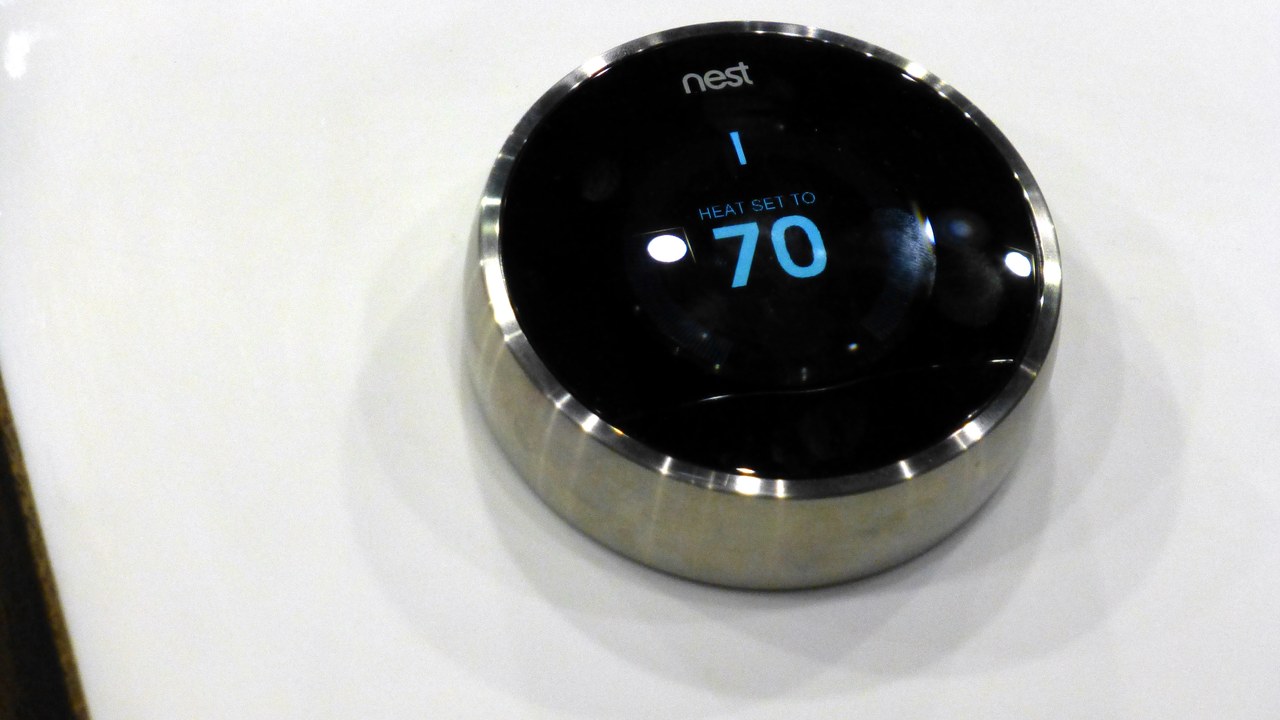
The National Energy Assistance Directors Association (NEADA) projects that the average U.S. household will spend $1,030 to heat its home this winter, an increase of $82, or 8.7 percent, over last year. The figure is a forecast for a season that has not yet played out, and it comes from the group that speaks for state energy-assistance directors and presses Congress for more heating aid. Mark Wolfe, NEADA’s executive director, called it a warning that too many families are entering winter with no room left in their budgets.
What NEADA’s winter 2026-27 forecast actually says
NEADA published the projection on September 14, 2026, in a press release headlined with the 8.7 percent jump. The release states the central number in a single sentence: households are projected to spend an average of $1,030 on heat this winter. That is $82 more than the average the association assigns to last winter.
The release is a projection, not a measurement. Nothing in it describes bills that have already been sent, and the $1,030 is an average across all U.S. households, so a home in a mild climate or an efficient apartment may land well below it while a large house on an expensive fuel lands well above. NEADA’s release breaks the increase out by fuel in percentages only and does not publish a dollar amount for any single fuel, so none can be responsibly calculated from it.
The by-fuel projections run as follows. Heating oil is forecast to rise 31.3 percent. Electricity is forecast to rise 9.0 percent, propane 8.7 percent and natural gas 5.8 percent. Natural gas therefore carries the smallest projected increase, and oil carries the largest.
Heating oil is the outlier in the fuel-by-fuel projections
The oil number is the one that separates this forecast from a routine winter outlook. A 31.3 percent projected rise is nearly four times the 8.7 percent headline average, and it lines up with what the government has already measured. The Bureau of Labor Statistics reported in its August 2026 consumer price index release that the fuel oil index rose 10.1 percent in the month and stood 52.0 percent above its level a year earlier.
Electricity tells a more mixed story in the same release. The BLS electricity index fell 0.2 percent from July to August and was up 3.8 percent over twelve months. NEADA’s projection for electricity this winter, 9.0 percent, is more than double that year-over-year reading, which is a reminder that the association is forecasting winter-season spending and not repeating the latest monthly data. The two sets of numbers measure different things and should not be added or compared line by line.
Who produced the number and why the source matters
The $1,030 is NEADA’s figure, not a federal government estimate. The association is a nonprofit whose members administer the Low Income Home Energy Assistance Program, known as LIHEAP, and it has a direct interest in drawing attention to heating affordability. That does not make the projection wrong. It does mean the number belongs to an advocacy organization, and any reader citing it should say so, as the release itself does when Wolfe uses the forecast to argue for more money.
A forecast of this kind depends on assumptions about weather and fuel prices that can move before January. A colder-than-expected December or a swing in crude oil would change the final tally in either direction. For that reason the figure is best read as a marker of how tight household budgets are expected to be, not as a bill any family is certain to receive.
Utility arrears and shutoffs behind the budget warning
Wolfe’s warning about budgets with no room left rests on a second NEADA document, its winter heating report, which was released the same day. The report puts the number of U.S. households behind on utility bills at roughly one in six. It estimates total residential utility debt at about $23 billion.
The report also tallies shutoffs. In 2024, according to NEADA’s figures, utilities disconnected 13.4 million electric accounts and 1.7 million natural gas accounts. Those are 2024 counts, not winter 2026 projections, and the report presents them as the backdrop for the heating forecast: households that entered the cold season already behind have less room to absorb a higher bill.
The LIHEAP money NEADA wants Congress to add
The federal program NEADA’s directors run is LIHEAP, administered nationally by the Administration for Children and Families at the Department of Health and Human Services. The agency’s LIHEAP page describes the program, but it does not carry a current-year appropriation figure, so the funding numbers in this story are NEADA’s. In its September release, the association describes current funding at $4 billion, asks for a total of $7 billion, and says the program reaches only a fraction of eligible households.
Wolfe’s quoted position is blunt. “Congress cannot wait for the first cold snap,” he said in the release. “LIHEAP funding should be increased now.” The ask is not new. In July, NEADA raised its emergency LIHEAP funding request to $3 billion as crude oil reached $100 per barrel, and that release warned that higher oil prices could push the average heating-oil household bill to approximately $1,700 this winter.
That $1,700 is the sharpest dollar figure in NEADA’s public material for oil-heated homes, and it comes from the July release, not the September one. The two documents use different assumptions and dates, so the $1,700 and the $1,030 describe different households and should not be read as competing estimates for the same group.
As of this writing, the sources read for this story do not confirm that Congress has acted on NEADA’s request or that any additional LIHEAP money has been approved. The September release is the controlling source for the $1,030 projection, the 8.7 percent increase and the by-fuel percentages, and NEADA’s report is the source for the arrears and disconnection counts.
Heating help is an application, and the paperwork piles up
NEADA’s forecast of higher winter heating costs points straight at LIHEAP, the program whose state offices decide who gets help and when applications open. Keeping track of which heating, cooling or home-repair help a household has applied for, and when each renewal comes due, is the unfinished job the forecast leaves behind.
The Senior Property Tax & Home-Cost Relief Kit includes heating, cooling and home-repair help, along with an application log and renewal calendar for tracking those applications.
Open The Senior Property Tax & Home-Cost Relief Kit before the heating bills arrive →
This piece was drafted with AI assistance; the figures were checked against NEADA’s September 14 release and winter heating report, the BLS August CPI release and the HHS LIHEAP page.


