
Category: Cost of Living
-

With most private insurance, covered emergency care cannot cost more than in-network sharing
An emergency room outside a private health plan’s network generally cannot turn a covered emergency into out-of-network cost sharing. For most private insurance, the No Surprises Act limits the patient’s copayment, coinsurance and deductible treatment to the in-network level. The protection does not make emergency care free, and federal exceptions—especially ground ambulances—still matter. Emergency services…
-

Housing-voucher tenants may owe up to 40% of adjusted monthly income for rent
A Housing Choice Voucher usually holds a tenant’s rent portion near 30% of adjusted monthly income, but choosing a unit above the local payment standard can push the share as high as 40% when the tenancy begins. The voucher is a subsidy, not a promise that every approved apartment will cost the same. Unit price,…
-

Public-housing renters may get just 14 days’ notice before termination for unpaid rent
A missed rent payment in public housing can now move toward lease termination on a much shorter federal timetable than many renters expect. HUD’s current rule restored a minimum notice of 14 days for public-housing nonpayment cases after revoking the broader 30-day federal requirement. State law, local procedure and the lease can add protections, but…
-

Car insurance prices fell 2% in June after a 1.7% May drop
Two consecutive declines in the national motor-vehicle-insurance price index are a welcome break after years of sharp premium increases. The index fell 2% in June following a 1.7% May decline. That does not automatically lower a policyholder’s next renewal, but it gives households a reason to test whether insurers are competing more aggressively for their…
-

Shelter costs rose 0.1% in June, their smallest monthly move since 2021
Housing did not become cheaper in June, but its broad inflation measure moved more slowly than it had in years. The federal shelter index rose 0.1% for the month, the smallest increase since January 2021. That is evidence of easing momentum in a major inflation component, not evidence that a particular tenant’s rent or homeowner’s…
-
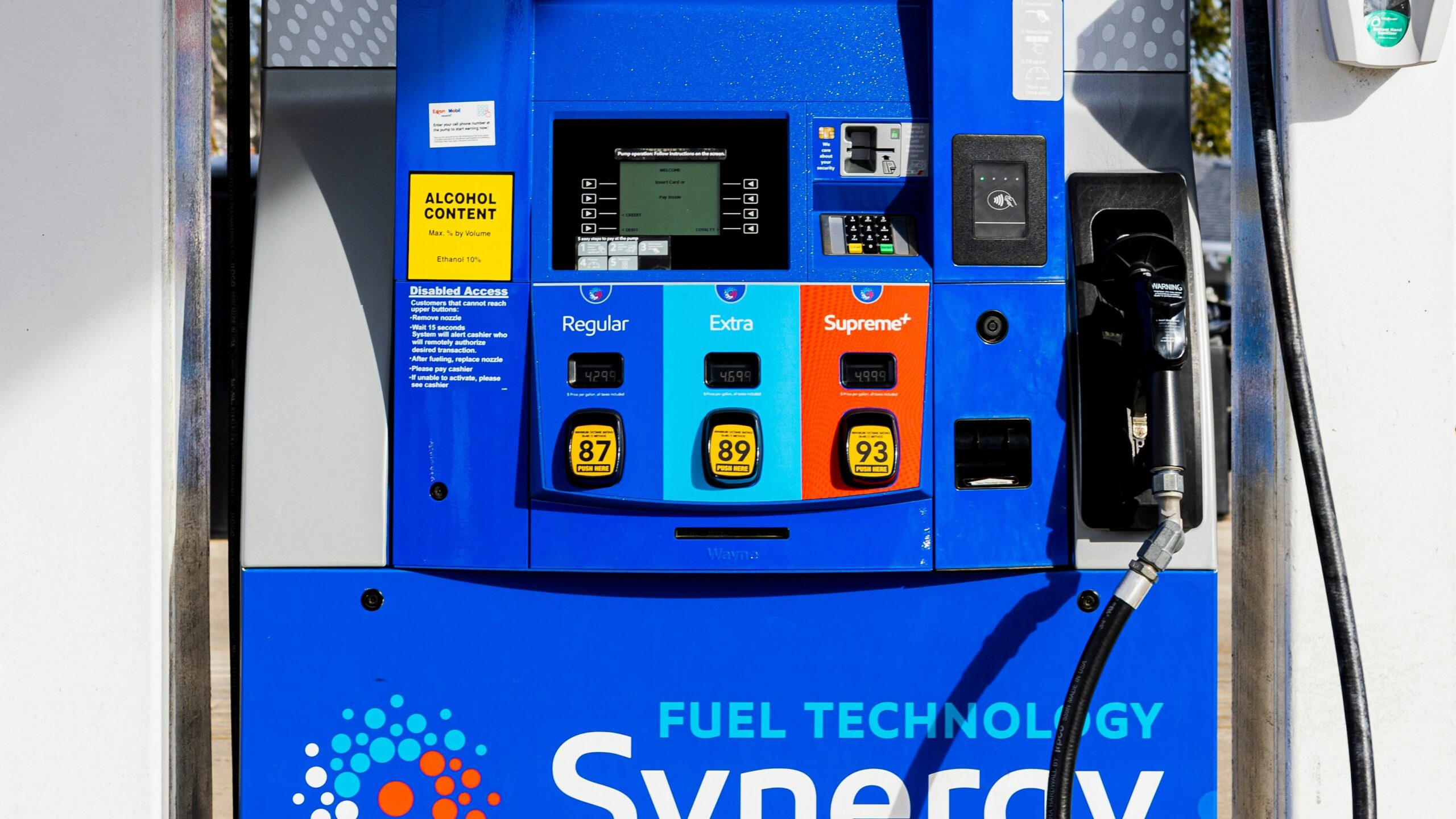
Heating oil costs 42.9% more than it did a year ago
The CPI fuel oil index rose 42.9 percent over the 12 months ending June 2026, while piped gas rose 3.0 percent and electricity 4.0 percent.
-

New York budgeted $1 billion for energy rebate checks scheduled to mail starting in September
New York’s FY27 Enacted Budget provides $1 billion in POWER energy rebate checks of $200, $150 or $100, scheduled to mail between September and December 2026.
-
California utility customers get the climate credit twice this summer, worth $98.72 in San Diego
The California Climate Credit moves to August and September in 2026. SDG&E customers get $49.36 twice, PG&E $36.18 and SCE $36.00, applied automatically.
-

Lettuce ran 32% above last June, and USDA sees vegetables up 6.8% this year
Lettuce costs about a third more than it did last June. Tomatoes cost roughly a fifth more. Fresh vegetables as a group ran close to 10 percent above where they sat a year earlier, and for a household that buys more or less the same list every week, the produce section is where the grocery…
-

Electricity is on pace to average 18.3 cents a kilowatt-hour this year
Eighteen point three cents per kilowatthour means nothing until it is multiplied by a month of ordinary use. The Energy Information Administration’s most recent published figure puts the average U.S. residential customer at roughly 899 kilowatthours a month, which turns that rate into about $165 of electricity before taxes, fees and the fixed monthly charge…
