
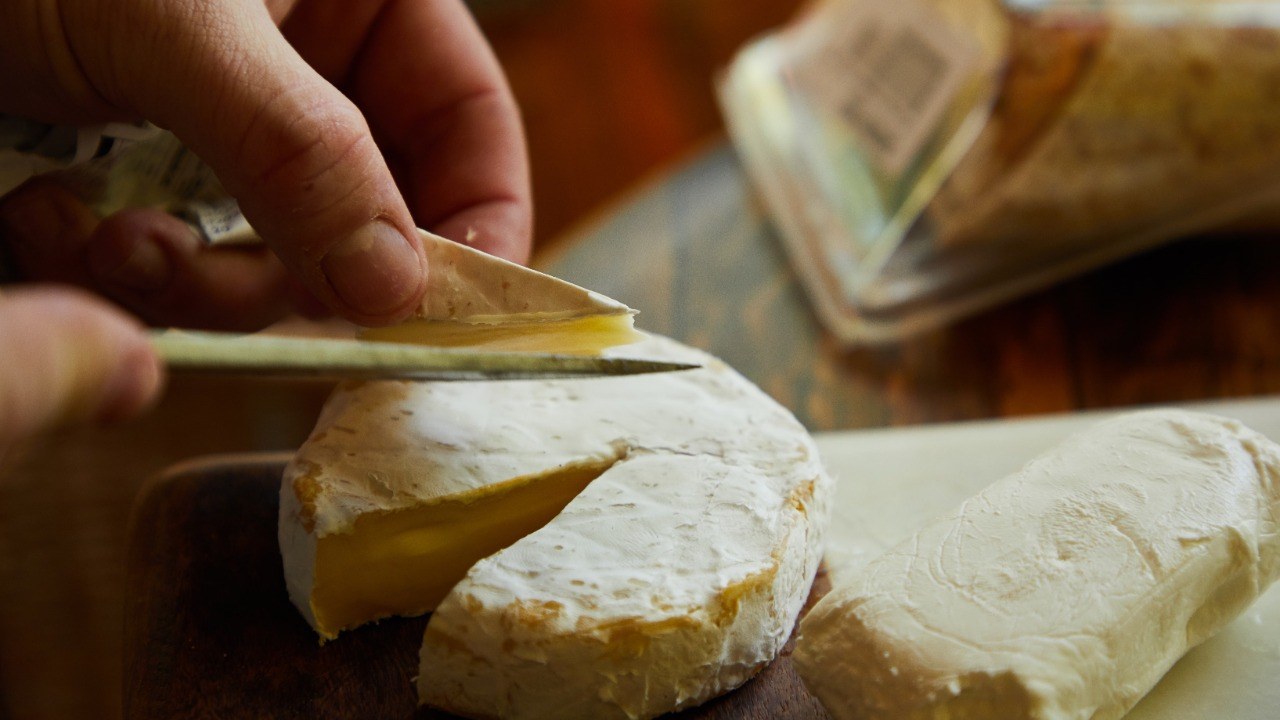
At 12:01 a.m. Eastern time on September 29, 2026, certain Canadian dairy products stopped being allowed into the United States at all. Proclamation 11062, signed September 8, replaces a 50% import duty on those goods with an outright ban for anything arriving after that moment.
The action is a trade-retaliation measure, not a food-safety one, and it sits inside a longer fight over Canadian cheese policy. Nothing in the proclamation puts a price on grocery shelves, but it shifts what stores and importers can bring across the border, so the document deserves a careful read.
What Proclamation 11062 bars and when
The proclamation, published in the Federal Register on September 14, says certain products of Canada, “as set forth in the Annex,” are excluded from importation into the United States beginning at 12:01 a.m. eastern time on September 29, 2026. It directs the Commissioner of U.S. Customs and Border Protection, in consultation with Treasury, Commerce and the U.S. Trade Representative, to carry out the ban.
The reason given is Canada’s tariff-rate quota allocation measures on U.S. cheeses, which the proclamation describes as discriminating against American dairy commerce. The product list itself sits in an Annex that appears as an image on the Federal Register page. That means individual cheese, milk or butter tariff lines cannot be confirmed from the online text, and this report does not guess at them.
The calendar was generous by trade-action standards. The proclamation was signed on September 8 and published on September 14, giving importers 21 days from signing and 15 days from publication before the ban began. Goods that were imported but not yet entered for consumption by then fall under the proclamation’s transition clause and stay at the old 50% rate rather than the new prohibition.
How the earlier 50% duty and the new ban fit together
The ban did not arrive from nowhere. Proclamation 11047, dated July 20, 2026, imposed additional duties of up to 50% on products from Canada. The September text recounts that Proclamation 11056 of August 18 temporarily suspended those duties for three days, that Canada then “reneged on its commitment” on August 21, and that the duties took effect at 12:01 a.m. on August 22.
For dairy covered by the Annex, the ban now comes on top of that history. The 50% rate is not erased, though. Products that fall under the ban but were imported and not yet entered for consumption, or withdrawn from a bonded warehouse, before September 29 remain subject to the 50 percent duty rate established by Proclamation 11047. A shipment that crossed earlier and cleared customs afterward is therefore dutied, while one that arrives after the cutoff is barred.
A hypothetical on what 50% means before a product is banned
Duties of this kind are charged on the declared value of the goods, not on the shelf price. Take a hypothetical Canadian cheese lot declared at $4 a pound at the border. A 50% duty adds $2 a pound, for $6 before freight, handling and the retailer’s margin. After September 29, no such lot can enter, so the price question becomes an availability question.
The proclamation does not estimate how much dairy it covers or what the change means for retail prices. Anyone looking for a household figure will not find one in the official text, and none is invented here.
Which Canadian goods are excluded and which are only dutied
The September 14 package covered more than dairy, and the pieces point in different directions. Dairy is excluded from importation under Proclamation 11062. Canadian alcoholic beverages are a separate case: Proclamation 11064 restructures the 50% duty on them, keeping the products listed in Annex I, Part A subject to it and exempting those in Part B, effective for goods entered on or after September 15. Its background section notes that the original duty stemmed from Canada banning the purchase, distribution or retailing of U.S. alcoholic beverages.
A third action, Proclamation 11065, removes certain Canadian motor-vehicle-related products listed in its Annex I, Part B from the 50% duty, also from September 15. The Federal Register index shows companion exclusion notices for alcoholic beverages and motor vehicles published the same day. Dairy is therefore the category in this set that is barred rather than merely taxed, and the dutied alcohol and the reduced motor-vehicle duty should not be read as part of the dairy ban.
What stays unconfirmed
Because the Annexes are images, the exact lists of banned dairy items and of dutied alcohol cannot be read in the HTML text of any of these documents. CBP administers the ban at the border, and the Federal Register entries for Proclamations 11062, 11064 and 11065 are the primary records for anyone checking a specific product. Until that list is read, the safest reading is the narrow one: certain Canadian dairy products named in the Annex are barred from September 29, and the 50% rate persists only for shipments that were already imported before then and had not yet been entered.
Organising relief for fixed-income homeowners and renters
The kit is meant for older homeowners and for renters living on fixed incomes who are facing property-tax bills and rising home costs and want the programs that may reduce them in one place.
The Senior Property Tax & Home-Cost Relief Kit explains the five kinds of property-tax relief, the circuit-breaker credit that includes renters and the heating, cooling and home-repair help that exists, and it supplies an application log and renewal calendar for the filings.
Get The Senior Property Tax & Home-Cost Relief Kit →
This article was prepared with AI assistance and checked against the Federal Register proclamations it cites.


