
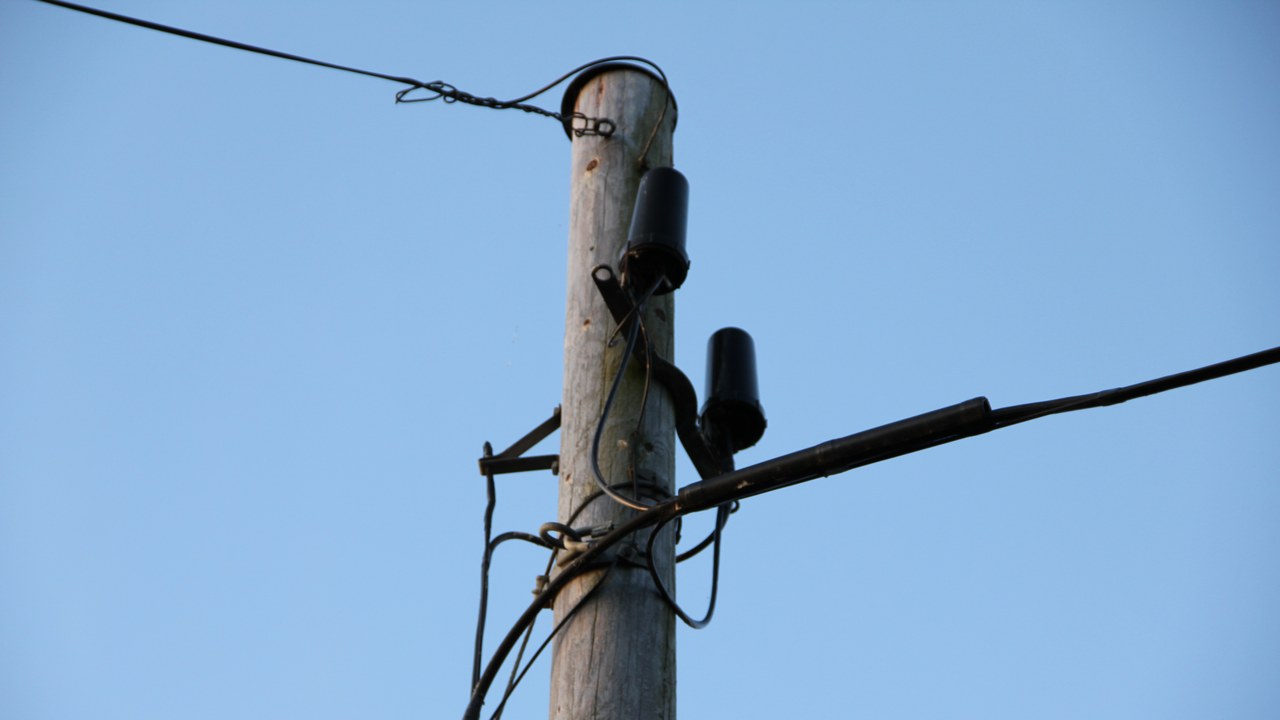
Verizon cannot count on a quiet exit from copper landlines in Arizona, Delaware, New Jersey, New Mexico, Ohio, Rhode Island, South Carolina, Utah and Virginia. According to the trade publication Inside Towers, the Federal Communications Commission pulled Verizon’s application to retire that legacy service out of the automatic-grant process on September 25, 2026. The FCC called the step “not a final determination on the merits.”
The nine states, and where the list comes from
The FCC document behind the pause is numbered DA-26-1038A1 and dated September 25, 2026, according to Broadband Breakfast. When this article was prepared, the FCC’s server refused access to that document, so its text could not be read directly. The nine-state list is therefore attributed to Inside Towers, whose Washington bureau chief, Leslie Stimson, reported it on September 29. Broadband Breakfast describes the same application as Verizon’s bid to shut off legacy TDM landline service “across nine states” but does not print the names.
TDM stands for time-division multiplexing, the technology behind traditional copper voice lines. The application was filed in August, per a second Broadband Breakfast report published September 29, and that report says local governments and subscribers raised concerns about whether replacement service would be available.
What leaving the automatic-grant track changes
The FCC’s own explainer for government officials describes the default under 2016 rules: an application to discontinue legacy TDM voice service in a technology transition “can be automatically granted in 30 days” if the carrier meets a three-part test covering network performance, 911, cybersecurity and disability-access rules, and compatibility with devices such as security systems. Removing an application from that track means it does not simply mature into approval on a calendar date. The FCC page also describes minimum notice periods: at least 90 days for residential customers and 180 days for other retail customers when copper is retired.
The pause is not a denial. Both trade reports quote the FCC’s statement that removal from the automatic grant process is not a final determination on the merits, so the application can still be approved after further review. The sources read for this article report no new decision date.
The same page says providers must notify state governments, meaning the governor and the state public utility commission, and Tribal governments at least 180 days before a copper retirement. Residential customers get at least 90 days’ notice under the same description, and the sources read for this article describe no notice schedule for Verizon’s nine states.
A Virginia congressman’s objection
Inside Towers quotes Representative Ben Cline, a Virginia Republican, on the problem that cellular substitutes can pose in rural areas: “Large portions of my district remain cellular dead zones, where the mobile wireless devices offered as a substitute are unreliable or do not work at all.” His point goes to the replacement question the FCC’s three-part test is built around. A landline that is switched off is only an acceptable trade if something dependable stands in its place at the same address.
Verizon’s stated commitment
Verizon’s position, as Inside Towers reports it, is that the company will keep copper service in place where approved alternatives are unavailable. “If a Commission-approved solution is not available, Verizon will not take any action, and the customer will continue to be served over the Verizon copper network,” the company said. It also said it will confirm whether a Commission-approved replacement service is available at a customer’s address before moving that customer off the copper line.
The wording ties the commitment to the individual address, and not to a town or a state. A customer’s situation could therefore differ from a neighbor’s depending on what service reaches each home.
A different carrier’s precedent in California
Broadband Breakfast recalls a separate case that points the other way. In June, the FCC granted AT&T’s request to discontinue copper voice services at more than 184,000 locations in California, and the California Public Utilities Commission appealed that decision to the FCC’s three voting commissioners. That case involves a different carrier and a different state, and it does not describe what will happen to Verizon’s application. It does show that these requests can be granted and that state regulators can contest them. In Verizon’s case, the objections recorded so far come from a member of Congress, local governments and subscribers, as the two trade reports describe them.
What the sources leave unstated
None of the reports read for this article gives a count of affected lines or customers, and no new deadline. A figure of 277,000 lines has circulated in connection with the network, and it could not be confirmed against a primary document, so it is not used here. The FCC order itself would settle those points, and until it can be read, the nine-state list rests on Inside Towers’ reporting, with Broadband Breakfast confirming the order number, the date and the nine-state scope.
Household bills that arrive alongside a phone-service change
A phone line is one of several monthly costs that older homeowners and renters weigh at once, next to heating, property taxes and home repairs. A kit built around those housing costs is aimed at keeping the paperwork for them together.
The Senior Property Tax & Home-Cost Relief Kit is an 11-page kit covering the 5 kinds of property-tax relief and heating, cooling and home-repair help, with an application log and renewal calendar.
Start with The Senior Property Tax & Home-Cost Relief Kit →
This article was drafted with AI assistance and checked against the trade reports and FCC page it cites.


