
Author: Elizabeth Blessing
-

Warehouse workers paid as little as $2.03 an hour recovered $1.08 million in back wages
A wage that low sounds like a typo, but federal investigators found it was real. A freight company in southern California was paying some of its warehouse workers as little as $2.03 an hour, roughly a quarter of the federal minimum wage, until the U.S. Department of Labor stepped in and forced the employer to…
-
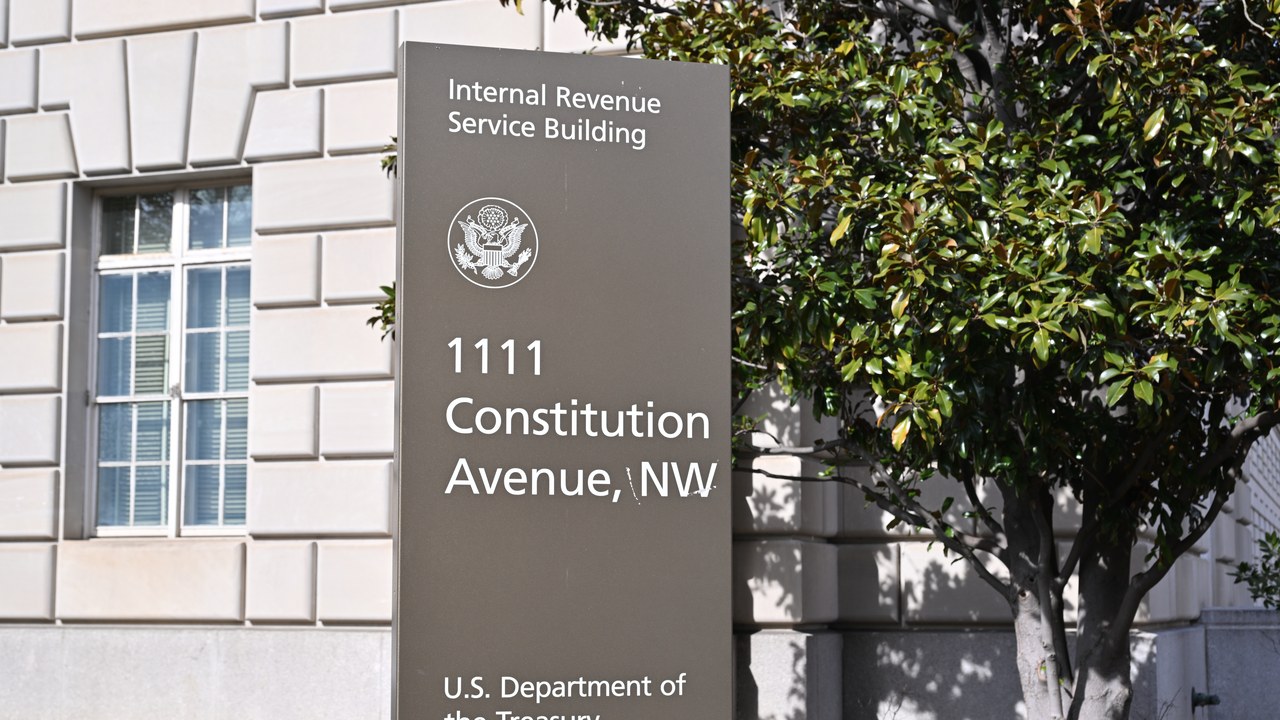
A new rule lets the IRS withhold 24% of payments when a taxpayer ID is missing
A tax rule that most households have never heard of can take nearly a quarter of a payment before it ever reaches a bank account. It is called backup withholding, and it kicks in when the government cannot match a payment to a correct taxpayer identification number. The mechanism itself is decades old, but a…
-

The next estimated-tax payment is due September 15, and skipping it can bring an IRS penalty even with a refund coming
The third of four federal estimated-tax payments for 2026 lands on September 15, and for millions of people whose income does not have taxes taken out automatically, it is a date worth circling. The surprise that catches many households is that the Internal Revenue Service can charge a penalty for missing or shorting these payments…
-

A pension you forgot may be waiting in the government’s unclaimed-pension database
Millions of Americans earned a pension at a job they left decades ago and never collected a dime of it, often without realizing the money still exists. Companies get bought, merge, or go out of business, and the paperwork that was supposed to follow a worker into retirement gets lost along the way. The federal…
-
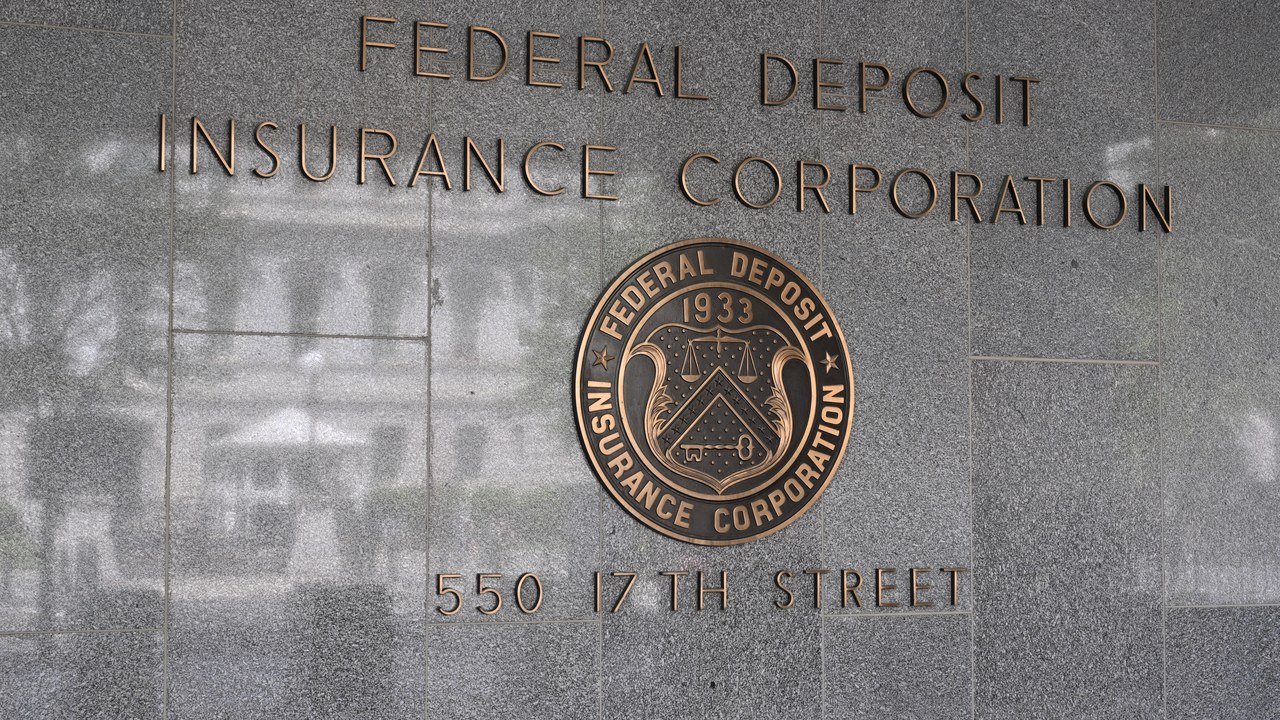
When a bank fails, the FDIC moves your insured money to the buyer automatically
The word “bank failure” sounds like a customer’s money vanishing overnight, and for generations before federal deposit insurance that fear was justified. Today the reality is far less dramatic. When an insured bank collapses, the government has a well-worn playbook that keeps ordinary depositors whole, usually without them lifting a finger. Insured money is moved,…
-

A payable-on-death form lets a bank account skip probate and pass straight to an heir
Most families assume a will controls what happens to a bank account, and then discover the money is stuck in probate court for months while the paperwork grinds forward. There is a quieter tool that sidesteps all of that on a single account, and it costs nothing. A payable-on-death designation lets a checking or savings…
-

Original Medicare caps nothing out of pocket, which is why many retirees add Medigap
Most people assume that once they are on Medicare, there is a ceiling on what a bad year of health can cost them. There is not. Original Medicare has no annual limit on out-of-pocket spending, which means a single serious illness can generate bills with no upper bound. That gap is the reason so many…
-

The QMB program can stop Medicare providers from billing you for copays and deductibles
Millions of older Americans on limited incomes pay Medicare bills they were never legally required to pay. A federal program built for exactly that situation quietly wipes out those charges, yet many people who qualify have never heard its name. It is called the Qualified Medicare Beneficiary program, and for a household counting every dollar…
-

A one-time $255 death benefit goes to a surviving spouse when a worker dies
Social Security’s lump-sum death payment is one of the smallest checks the agency writes and one of the most frequently forgotten. It is a flat $255, paid a single time after a covered worker dies, and it goes to a surviving spouse who qualifies. The dollar figure has not changed in generations, and because it…
-

Social Security can be garnished for unpaid child support, but private creditors cannot touch it
A debt collector calling about an old credit card cannot reach into a retiree’s Social Security check. A county enforcing a child-support order sometimes can. The gap between those two answers surprises a lot of people, and it matters enormously for anyone living on a fixed benefit who is also facing a debt. Social Security…
