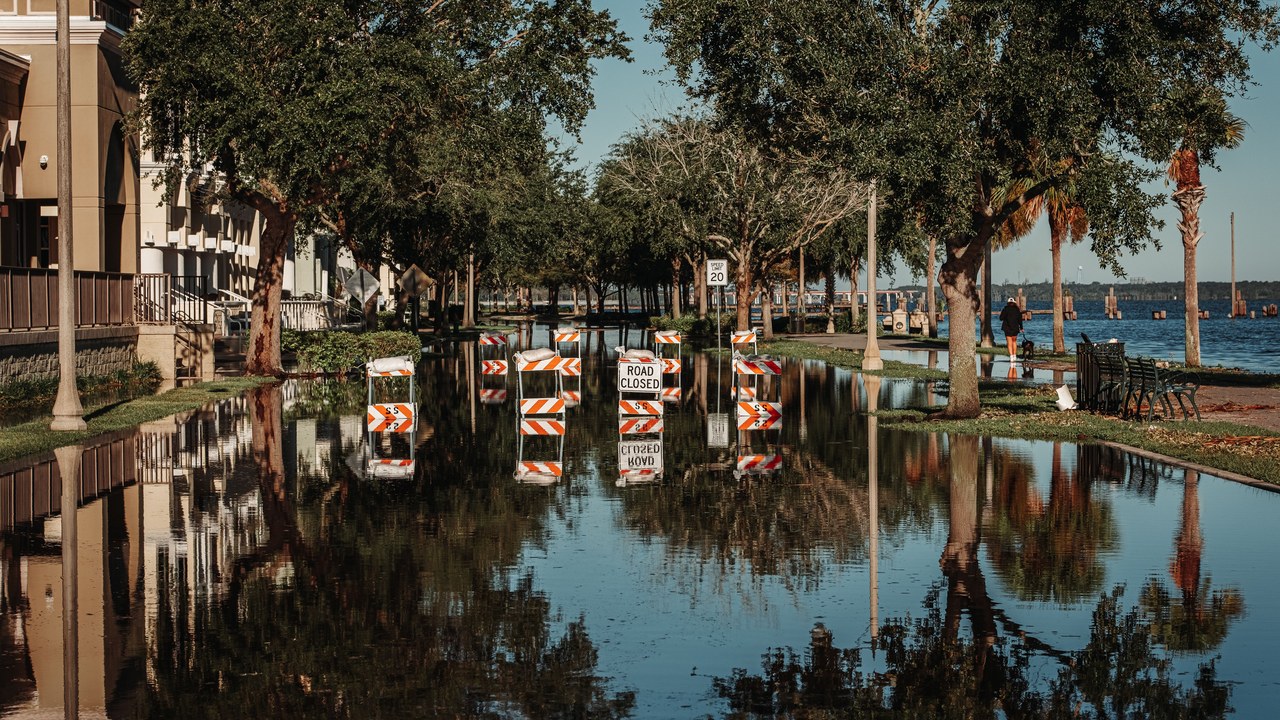
Which tax deadline applies to a taxpayer in a disaster area this fall depends on the disaster, not the state. The IRS has now pushed filing and payment deadlines into 2027 for four areas: Knox County, Nebraska, to January 7; six Washington counties and three tribes to February 1; Guam to February 4; and 27 Florida counties to February 8. The Florida, Nebraska and Guam notices are all dated October 14, 2026.
Four notices, four dates
- Nebraska, January 7, 2027. Release NE-2026-08 covers Knox County after a severe storm that began September 9, 2026.
- Washington, February 1, 2027. Release WA-2026-03, dated August 31, 2026, covers wildfires that began July 31, 2026.
- Guam, February 4, 2027. Release GU-2026-01 covers Super Typhoon Bavi, which began July 4, 2026, under FEMA declaration 4946-DR.
- Florida, February 8, 2027. Release FL-2026-07 covers Hurricane Isaias, which began October 9, 2026, under FEMA declaration 3655-EM.
The Nebraska date is not the only one for that state. The IRS’s disaster relief page also lists five earlier Nebraska entries, NE-2026-03 through NE-2026-07, for spring and summer wildfires and storms, with deadlines postponed to February 1, 2027. A taxpayer in Nebraska needs to know which county was named in which release.
Florida’s 27 counties
The Florida relief covers Baker, Bay, Calhoun, Citrus, Columbia, Dixie, Escambia, Franklin, Gadsden, Gilchrist, Gulf, Hamilton, Holmes, Jackson, Jefferson, Lafayette, Leon, Levy, Liberty, Madison, Okaloosa, Santa Rosa, Suwannee, Taylor, Wakulla, Walton and Washington counties. The IRS says it automatically identifies taxpayers in the covered area and applies the relief, so a household or business with an address there does not file anything to get it.
A payroll or excise tax deposit that was due between October 9 and October 26, 2026 gets its penalties abated if the deposit is made by October 26. Quarterly payroll and certain excise returns normally due November 2, 2026 and February 1, 2027 also move to February 8.
The question a Florida taxpayer asks is whether their county is on that list. If it is, nothing needs to be filed. An affected taxpayer who lives or has a business outside the covered area is told to call the IRS Special Services line at 866-562-5227 to ask for the relief.
The next deadline in this story is Nebraska’s January 7, 2027, the earliest of the four new dates to arrive.
Get the next update the morning it lands →
Washington, Nebraska and Guam
Washington’s relief covers Chelan, Ferry, Okanogan, Spokane, Stevens and Yakima counties and three tribes: the Confederated Tribes and Bands of the Yakama Nation, the Confederated Tribes of the Colville Reservation and the Spokane Tribe of Indians. The FEMA declaration is 3650-EM. Estimated income tax payments originally due on or after July 31, 2026 can be paid by February 1, 2027 without an underpayment penalty.
The Nebraska release names Knox County only. Estimated tax payments originally due on or after September 9, 2026 carry no failure-to-pay penalty if paid by January 7, 2027, and the IRS says to write the number SD-0016-DR at the top of Form 4506 or 4506-T when requesting copies of past returns.
Guam’s notice covers “the territory of Guam.” Estimated tax payments due on or after July 4, 2026 can be paid by February 4, 2027, and the IRS says to write 4946-DR on those same request forms to have the copy fee waived. Payroll and excise deposit penalties for deposits due July 4 through July 20 were abated if the deposits were made by July 20.
What moves and what does not
All four notices postpone most individual and business returns with an original or extended due date before the new date, including corporate, partnership, estate, trust and tax-exempt returns, along with employment and certain excise returns. They also move estimated tax payments and other time-sensitive acts. Individuals with a valid extension for a 2025 return get the new date to file.
The 2025 tax payment is different. The IRS says in each release that payments for 2025 were due April 15, 2026 and are not eligible for the relief. Information returns in the W-2, 1094, 1095, 1097, 1098 and 1099 series are excluded, as are Forms 1042-S, 3921, 3922 and 8027, and employment and excise tax deposits are covered only by the specific penalty abatements above.
Installment agreements get one adjustment. Missed payments during the postponement period will not default the agreement, but interest and late-payment penalties still accrue.
Checking a county and claiming the later date
Start with the IRS’s tax relief in disaster situations page, which was last updated October 14, 2026 and links each release. Match the address on the tax return, or the business location, against the counties named in the release. An affected taxpayer who lives or has a business outside the covered area should call 866-562-5227.
Set aside the records the later date will need: the FEMA or IRS disaster number, estimated payment records for the period, and the original and extension dates for each return. Taxpayers with a late filing or late payment penalty notice that has a due date inside the postponement period should call the number on the notice and ask for abatement. Those who do not qualify for disaster relief can still request penalty abatement for reasonable cause.
The Florida and Guam releases also allow disaster losses to be claimed on the return for the year of the disaster or the prior year, with the election made up to six months after the due date of the disaster-year return. The FEMA disaster number goes on the return that claims the loss.
More Financial Reading
- 24 Ways to Stretch a $2,087 Social Security Check
- 17 Places to Find Your Share of the $4.25 Billion States Give Back
- 17 Ways Retirees Are Tapping a Record $14.9 Trillion in Home Equity
This article was produced with AI assistance and edited for accuracy against the sources linked above.