
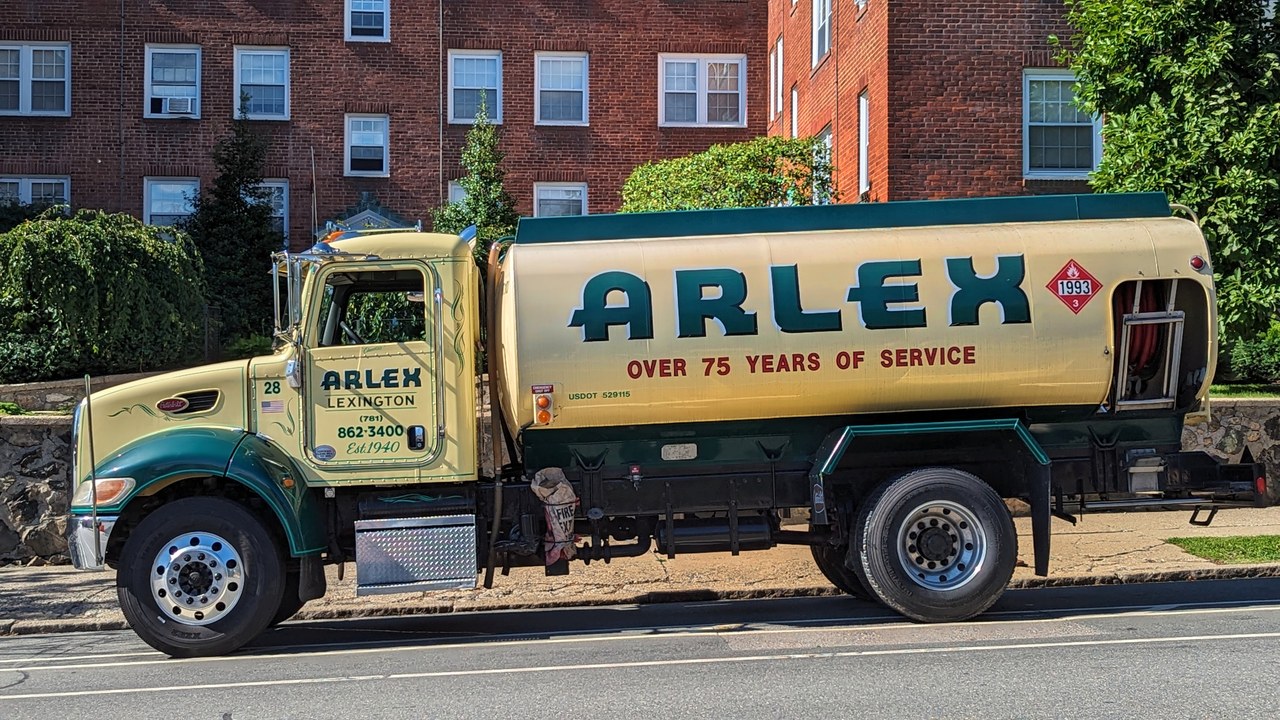
A home that heats with oil is forecast to spend an average of $2,115 from November through March, the U.S. Energy Information Administration (EIA) says in its Winter Fuels Outlook, published October 6. That is 21 percent more than last winter, and the most of any heating fuel. The same week, EIA’s first heating-oil survey of the season put the national average residential price at $6.042 a gallon, $2.487 above a year ago.
How oil compares with propane, electricity and gas
The forecast covers a home’s main space-heating fuel, so each figure below is for households that use that fuel as their main source of heat. EIA’s U.S. averages for November through March:
- Heating oil: $2,115, up 21 percent
- Propane: $1,246, down 3 percent
- Electricity: $1,196, up 4 percent
- Natural gas: $640, down 9 percent
Oil costs about 3.3 times what a natural gas home is forecast to pay. It is also the only one of the four fuels with a double-digit increase. Heating oil is the main heat source in about 3 percent of U.S. households, according to the outlook, and it is used most widely in the Northeast.
For an older homeowner on a fixed income who fills an oil tank, the question is how to cover a bill that can be $2,000 or more before spring and where to apply for help. Federal heating aid exists for this: the Low Income Home Energy Assistance Program, known as LIHEAP. The application has to come before the tank runs low, not after.
A $2,115 oil season is the kind of bill that heating aid exists for, and the harder part for older homeowners is knowing which program to ask and when. The Senior Property Tax & Home-Cost Relief Kit covers heating, cooling and home-repair help and includes an application log and renewal calendar.
Line up winter heating help with the Senior Property Tax & Home-Cost Relief Kit →
Why oil is the expensive one this winter
EIA attributes the jump to rising global crude oil and distillate prices. Reduced global refining cut distillate output, which raised international prices, lifted import costs and boosted demand for U.S. exports, and left U.S. distillate stocks low heading into winter, the outlook says. Warmer forecast temperatures than last year offset part of the increase.
The outlook puts the winter average at $5.26 a gallon, up 34 percent, with the price forecast to fall from $5.79 in November to $4.84 in March. The October 5 survey is above all of those numbers. EIA’s weekly table shows $6.055 on the East Coast and $5.742 in the Midwest, and propane at $2.598 nationally. EIA collects these prices only from October through March and updates the table on Wednesdays.
What the winter forecast leaves out
An average is not a bill. A home with a larger tank, an older furnace or a cold stretch in January will spend more than $2,115, and a small, well-sealed house will spend less. The monthly shape in EIA’s table peaks in midwinter: the heating-oil row runs from $360 in November to $509 in January and back down to $361 in March. A household that pays by the delivery rather than by the month sees those peaks as single large invoices.
The forecast is also a forecast. EIA completed this forecast on October 1, and its Short-Term Energy Outlook is updated monthly. Prices have already moved a lot over the past year, as the $2.487 gap in the weekly table shows.
Asking for heating help before the first fill-up
The LIHEAP page from the Administration for Children and Families describes the program as federally funded assistance with home energy bills, energy crises, weatherization and minor energy-related home repairs. Its help can also cover repairing or replacing heating equipment. To find where to apply, the page points to EnergyHelp.us and to the National Energy Assistance Referral hotline at 1-866-674-6327, open weekdays from 9 a.m. to 7 p.m. Eastern.
Before applying, gather the latest oil delivery invoice or the tank account statement, proof of household income and a recent utility or fuel bill with the service address. When applying, ask whether the agency pays a fuel dealer directly and whether it offers crisis help for a tank that is nearly empty.
LIHEAP does not charge a fee or make direct grants to individuals, the page says. Anyone asked to pay for an application should report it to the HHS Fraud Hotline at 1-800-447-8477.
An application log for a $2,115 winter
Heating aid has its own forms, income checks and renewal dates, and an older homeowner who misses one can find out when the tank runs low. The Senior Property Tax & Home-Cost Relief Kit shows the help available for heat and power bills and for home repairs, and its application log and renewal calendar keep each program’s dates in one place. It runs 64 pages.
Keep every heating-aid application and renewal date in the Home-Cost Relief Kit →
This article was produced with AI assistance and edited for accuracy against the sources linked above.


