
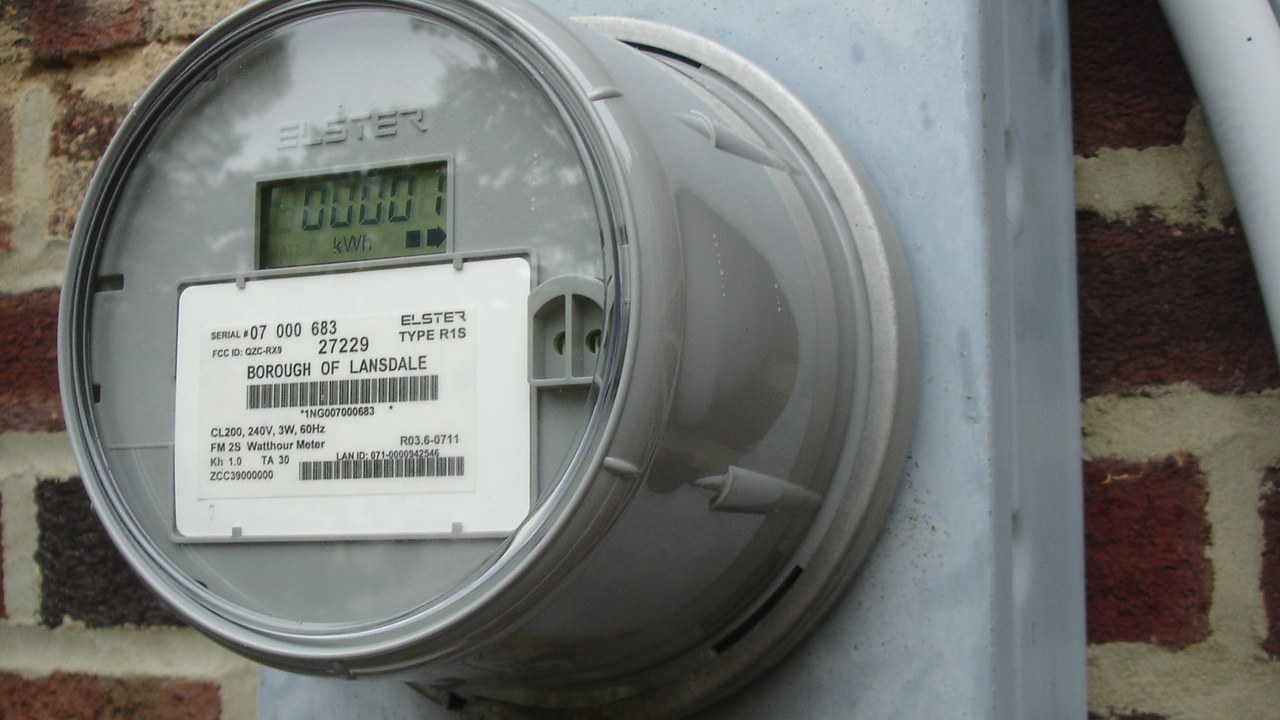
The average Puget Sound Energy household would pay $28.31 more a month for electricity starting in January 2027 if Washington regulators approve the utility’s rate request, according to Attorney General Nick Brown. His office filed expert testimony against the request with the Utilities and Transportation Commission, and its July 30 announcement puts that first-year jump at 17 percent. Nothing has been approved. The increase is a proposal, and the commission has the final say.
How $28.31 grows to $50.58
PSE has asked the commission to raise electric rates 29 percent and gas rates 20 percent over three years, which would bring in an extra $3.396 billion from customers, the attorney general’s office says. For the average household, the electric piece breaks down like this:
- January 2027: 17 percent, or $28.31 a month
- By 2029, compared with today’s rates: $50.58 a month, or $606.96 a year
Gas customers would see 13 percent, or $13.63 a month, in January 2027, and $21.96 a month by 2029, which is $263.52 a year. At $28.31 a month, the first year alone would add about $340 to an electric bill, a figure that comes from multiplying the attorney general’s monthly number by 12.
PSE’s own rate case page uses a different household measure and lands in the same place. For a home using 800 kilowatt-hours a month, it lists electric increases of about $28 in early 2027, about $7 in 2028 and nearly $16 in 2029. Its residential electric percentages are 16.75, 3.76 and 8.81 percent for the three years.
For a household on PSE electric service, the question is how to plan for a bill that could climb in the middle of winter, and what help already exists before the commission rules. The commission handles the first part, and the utility and state programs handle the second.
A $28.31 monthly increase would arrive in January, which leaves the fall to line up help with heating and power bills. The Senior Property Tax & Home-Cost Relief Kit covers heating, cooling and home-repair help for older homeowners, with an application log and renewal calendar.
Line up heating and power bill help with the Senior Home-Cost Relief Kit →
What the attorney general wants instead
Brown’s office says PSE is asking for a 10.8 percent profit margin over the next four years, up from 9.9 percent now. The office urges the commission to set it at 8.17 percent and says the lower figure could save customers up to $695 million in 2027 alone. It also wants shareholders, not customers, to pay for insurance, investor relations and executive compensation, and it says investors receive about 12 percent of electric bills and 11 percent of gas bills.
“We need to fight to keep Washington affordable for everyone,” Brown said in the announcement. He added that PSE “should only raise prices on consumers when necessary and reasonable, and we do not think that is the case here.” The KOMO News report on the filing, like the announcement, carries no statement from PSE. PSE says on its rate case page that it needs to invest more than $3.2 billion in its gas and electric system over three years, with about 70 percent going to electric.
Who decides and when
PSE’s rate case sits before the commission as dockets 260005 and 260006. The commission can approve or deny the proposed rates, which must be “fair, just, and reasonable” under state law. PSE says that if the commission approves, new rates would take effect in early 2027. Public comment hearings were held September 29 in person and October 7 online, and the attorney general’s announcement listed comment by email at [email protected], by mail at P.O. Box 47250, Olympia, WA 98504, and by phone at 888-333-9882.
A heating season that is already costing more in the West
The U.S. Energy Information Administration’s Winter Fuels Outlook, released October 6, forecasts that Western homes heated mainly with electricity will spend $1,151 from November through March, up 9 percent, and Western homes heated with natural gas will spend $590, up 7 percent. The Western region covers far more than PSE’s territory, so those numbers are a regional guide and not a PSE forecast. They show the rate request would land on top of a winter that is already forecast to cost more.
Lining up PSE bill help before January
The state utilities commission keeps a list of energy assistance programs, and the PSE section covers several. The PSE Home Energy Lifeline Program gives qualified customers bill help beyond the state LIHEAP program, and the page says a customer does not need to owe a balance to apply. LIHEAP is run through local community action agencies. The Salvation Army Warm Home Fund covers short-term emergency help, and PSE sets payment arrangements with timelines of up to 18 months, even for customers who do not qualify for bill assistance.
The same page lists free weatherization upgrades such as insulation and duct sealing, and budget billing, which it says is open with no income limits at any time of the year. Gather the latest PSE bill, proof of household income and the contact for the local community action agency before calling, and dial 2-1-1 from any phone for local energy help. Comments on the rate request itself go through the commission, and the commission’s website posts its news on the PSE case.
Bill help comes from several programs, each with its own paperwork
PSE’s Lifeline program, LIHEAP through a community action agency and weatherization each run on separate applications, and each one has its own renewal date to remember. The Senior Property Tax & Home-Cost Relief Kit includes an application log and renewal calendar alongside its heating, cooling and home-repair help for older homeowners.
Track each bill-help application and renewal with the Home-Cost Relief Kit’s log and calendar →
This article was produced with AI assistance and edited for accuracy against the sources linked above.


